


 MENU
MENU SEARCHMENUSEARCH
Loading data...
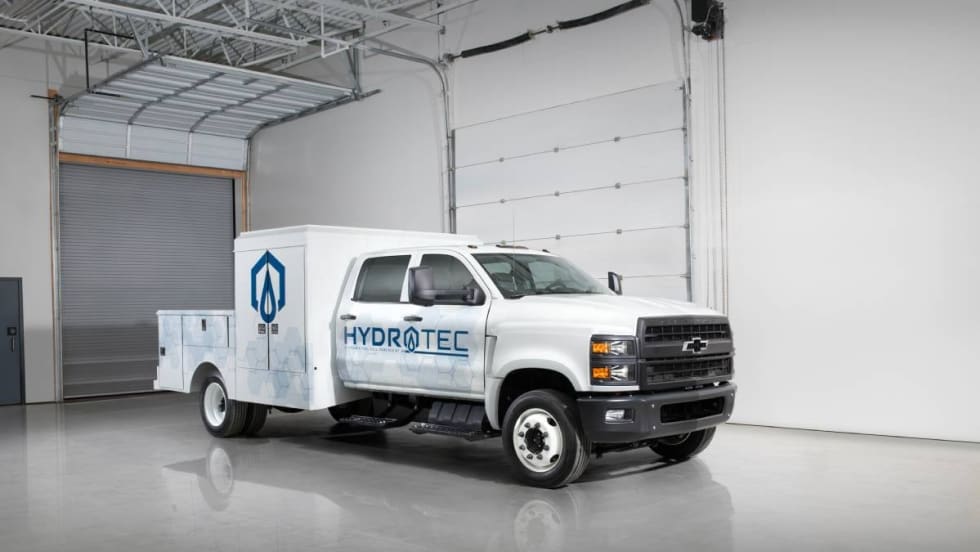
GM is collaborating with the Department of Energy to develop low-emissions fuel cell-powered medium duty trucks for fleets and supporting infrastructure.
Read More →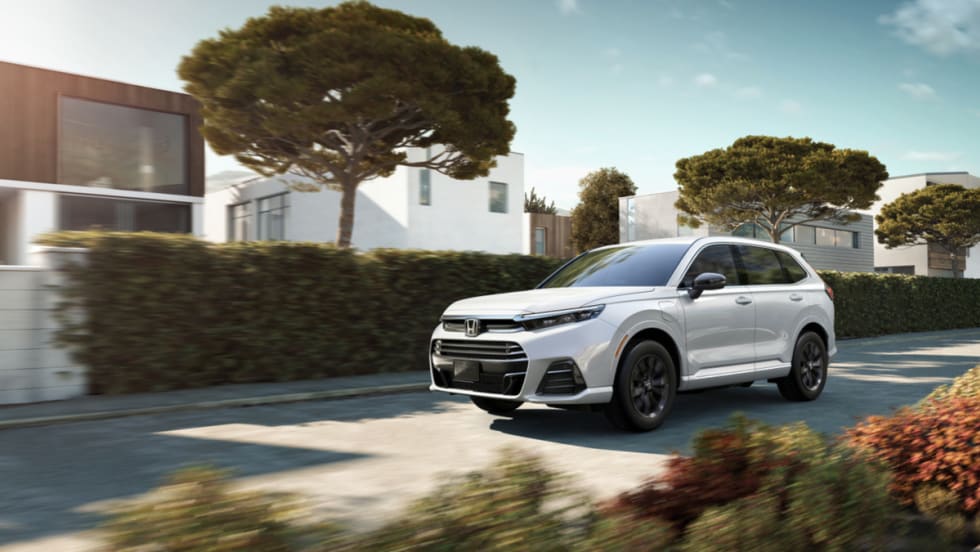

The CR-V e:FCEV combines an all-new U.S.-made fuel cell system along with plug-in charging capability designed to provide up to 29 miles of EV driving around town with the flexibility of fast hydrogen refueling for longer trips.
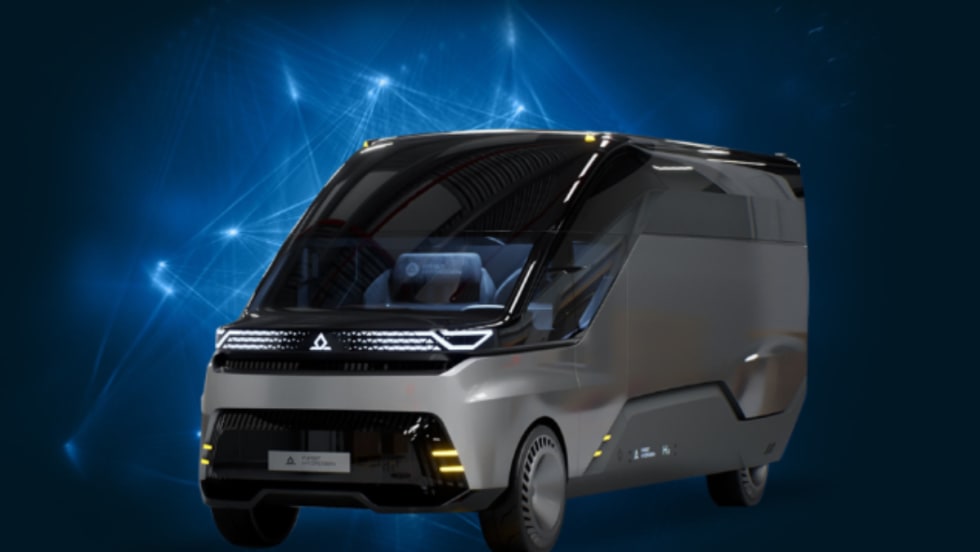
Read More →First Hydrogen completed two fleet trials of its hydrogen fuel-cell-powered vehicles, achieving a range of 630 kilometers (about 391 miles) on a single refueling.
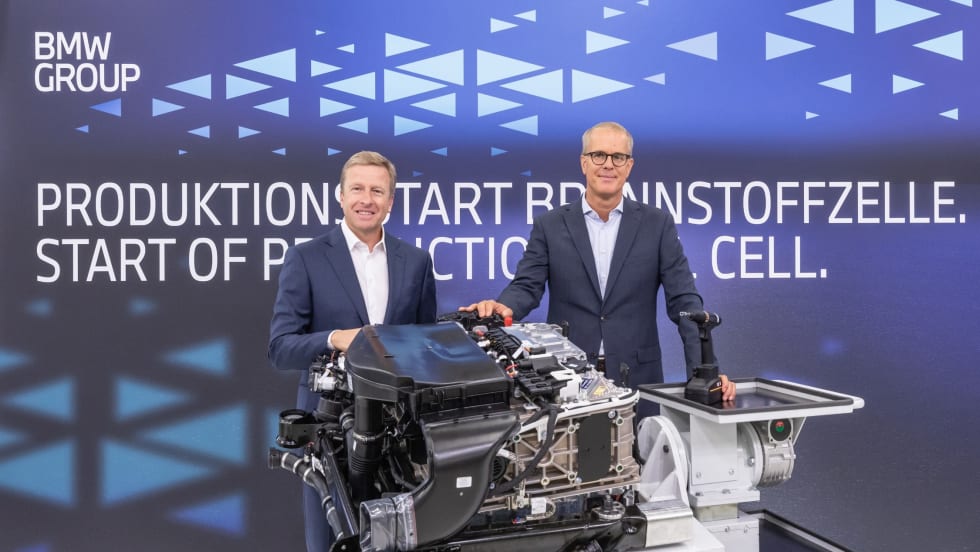
Read More →Citing hydrogen as one of the most efficient ways of storing and transporting renewable energies, BMW believes the energy source is a zero-emission alternative to battery-electric vehicles.
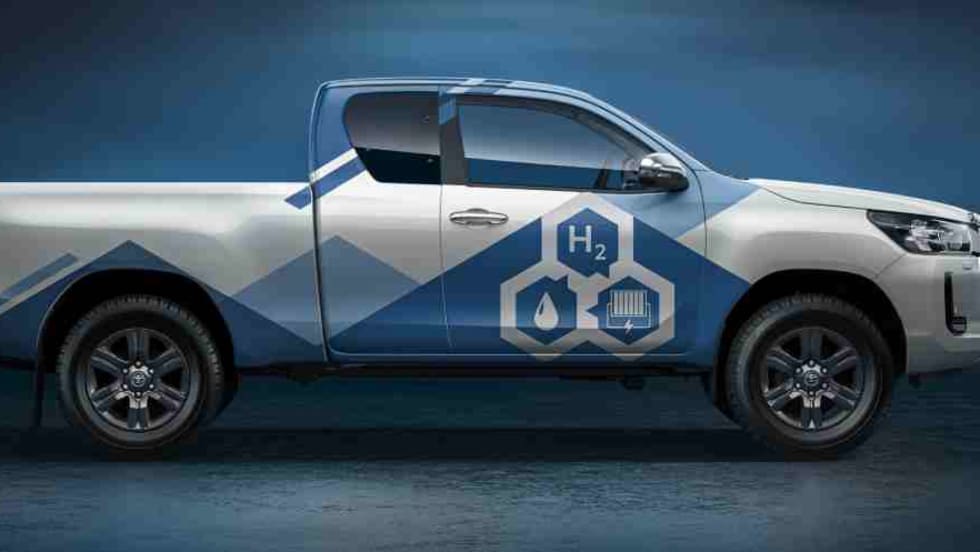
Read More →Concerns over limited availability of raw materials impacting the growth of battery electric vehicles, Toyota and BMW are are developing a secondary zero emissions vehicle strategy.
Read More →“We think hydrogen-powered vehicles are ideally placed technologically to fit alongside battery-electric vehicles and complete the electric mobility picture,” said Oliver Zipse, chairman of the board of management of BMW AG.
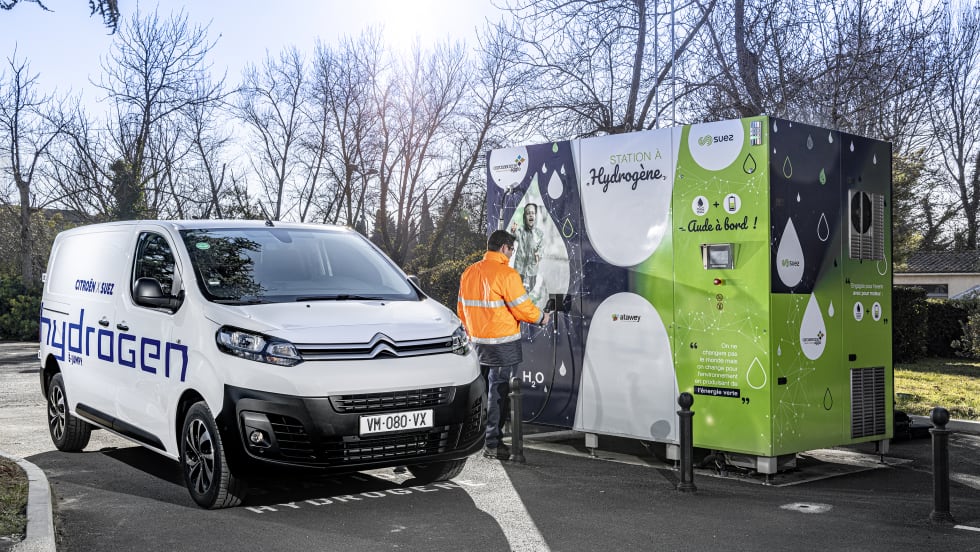
Read More →Slowly but surely, the "other" alternative fuel is beginning to gain traction. In Europe, trials with Stellantis brand hydrogen vans have been ongoing.
Read More →The Stellantis Group is increasing its focus on hydrogen fuel development for fleet users with the appointment of Jean-Michel Billig as chief technology officer.
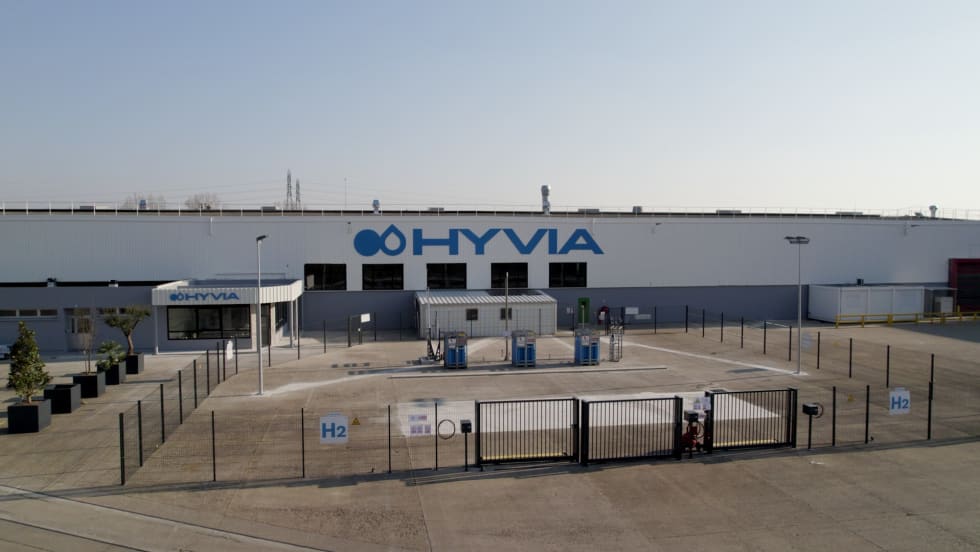
Read More →By 2023, the plant will also begin assembly of H2 refueling stations and the production of low-carbon hydrogen.
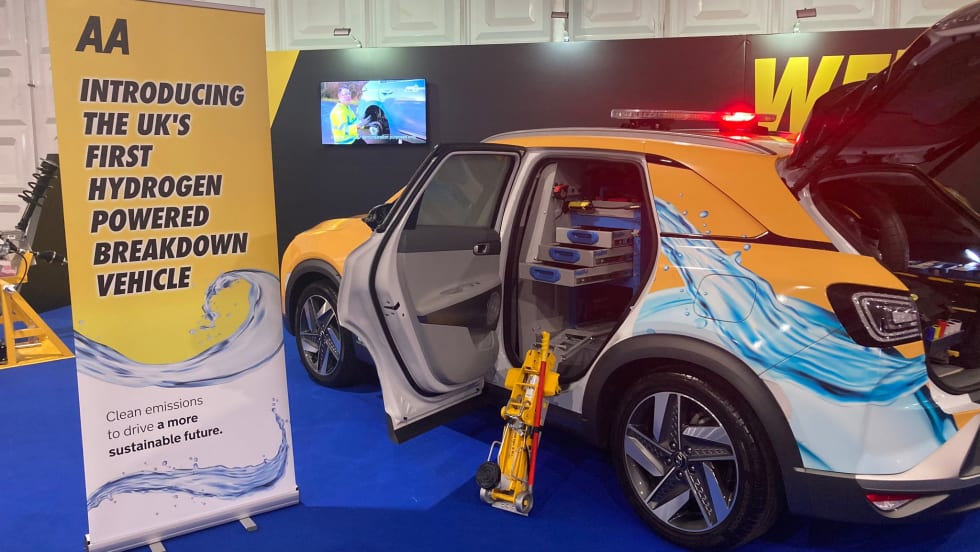
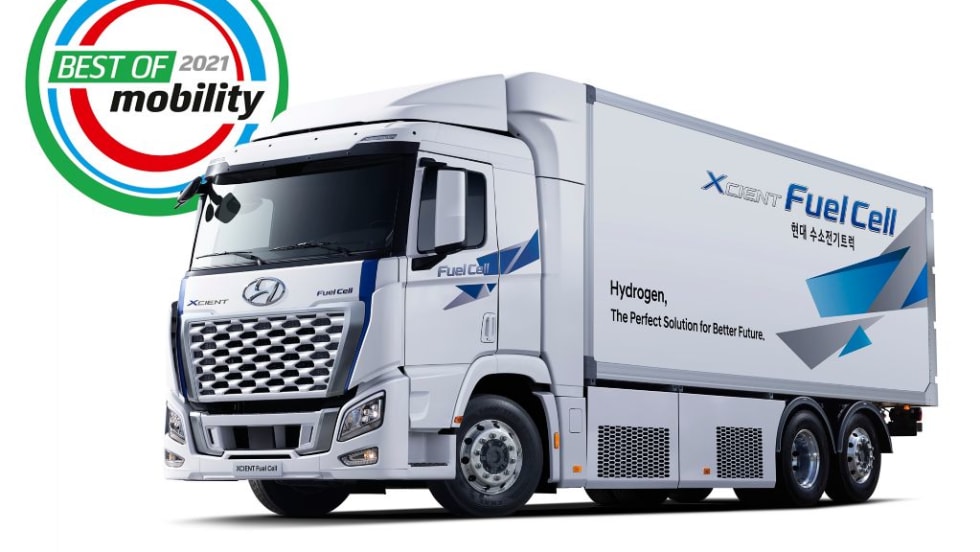
Read More →South Korean automaker Hyundai announced plans to offer hydrogen fuel cell versions of all its commercial vehicles by 2028; Under its Hydrogen Vision 2040 that aims to achieve carbon neutrality, Hyundai wants to make hydrogen-based vehicles a key part of commercial transportation system.
Read More →