


 MENU
MENU SEARCHMENUSEARCH
Loading data...

With more than 90 individual client fleets, CBRE, Inc., manages a highly decentralized fleet. But, with one eye trained on meeting individual needs and the other on running a high performing fleet, keeping its customers’ bottom line in mind is one key to continued success.
Read More →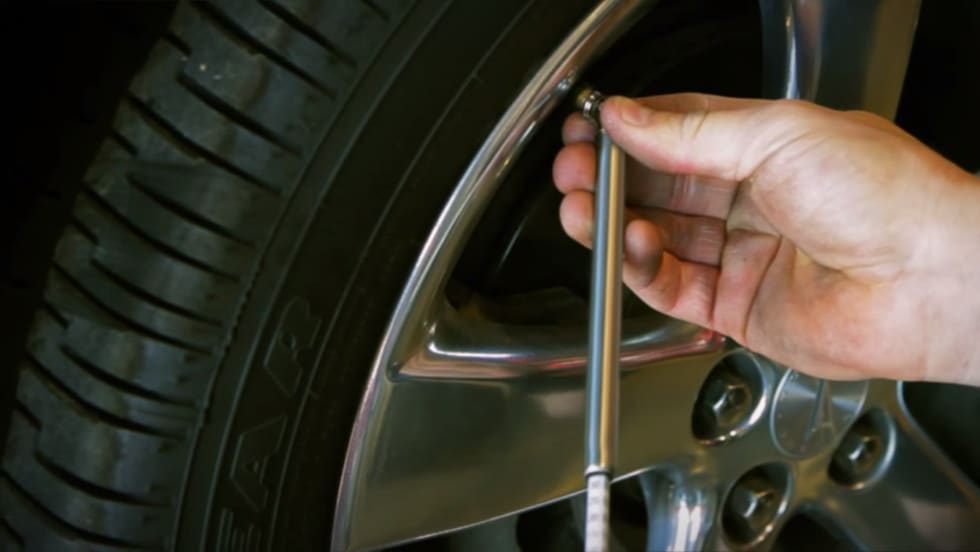
Here’s some tire preventive maintenance advice, provided by America’s Tire, you may want to pass along to fleet drivers as a friendly reminder.
Read More →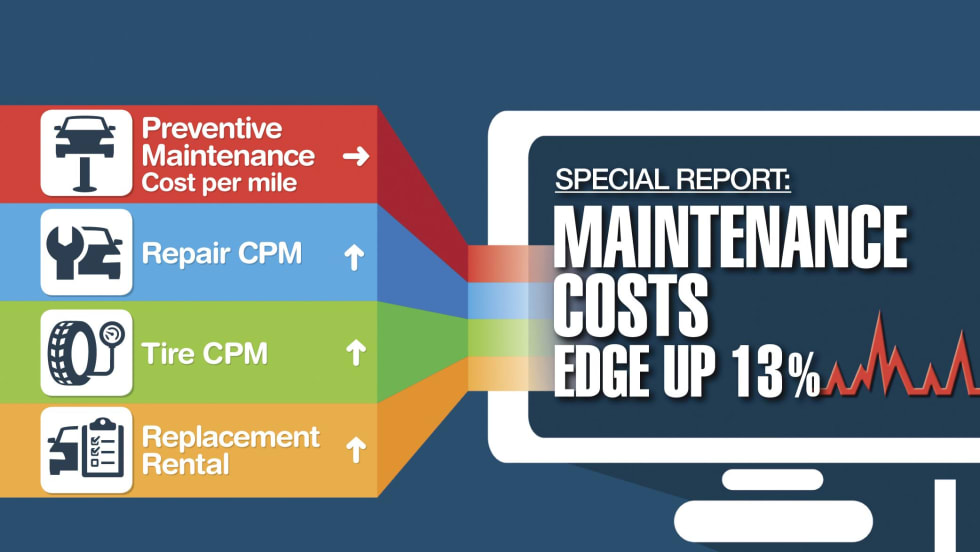
Fleets continue to see OEM "recommended" and "required" scheduled service intervals extended, such as fluid changes, spark plugs, transmission services, and timing belts, which help keep preventive maintenance costs flat.
Read More →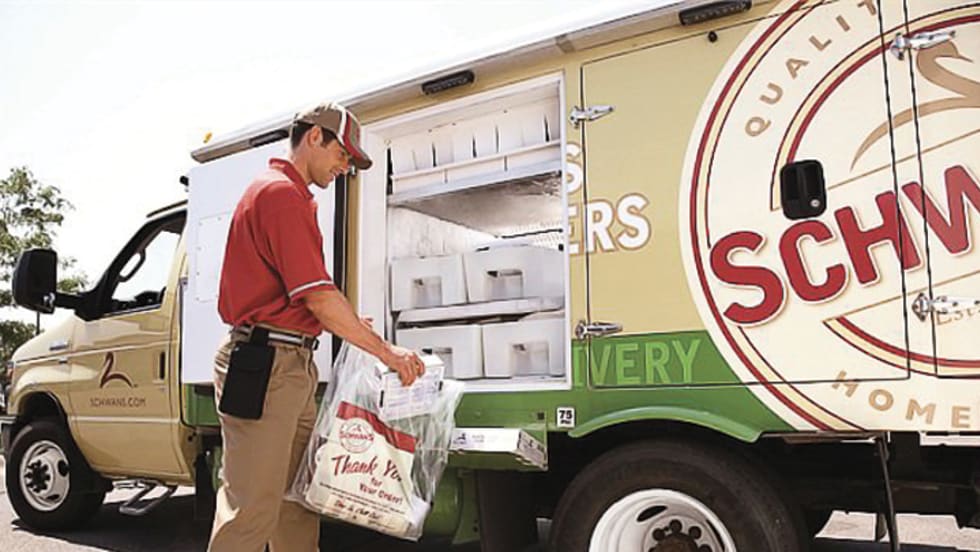
Schwan's Home Service prevented the emission of a cumulative 31,450 tons of greenhouse gases in one year by using propane autogas.
Read More →
Most agree that many of the trends we are experiencing today will continue for the next decade; however, technology, in particular vehicle connectivity, will have a dramatic impact on how vehicles will be maintained in the future.
Read More →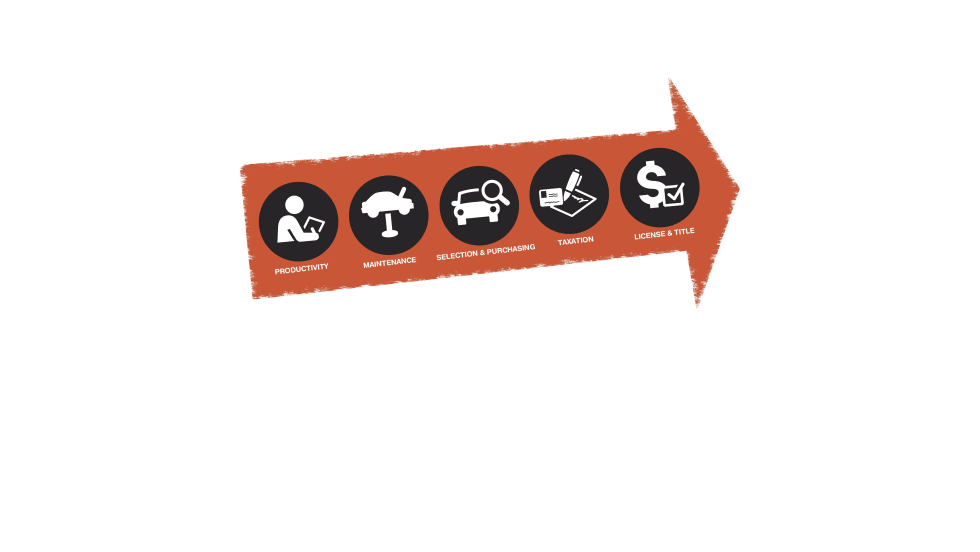
In the next 10 years, the fleet industry is forecast change more than it has in the past 15 years. These changes will mirror the broader transformation percolating throughout the global economy.
Read More →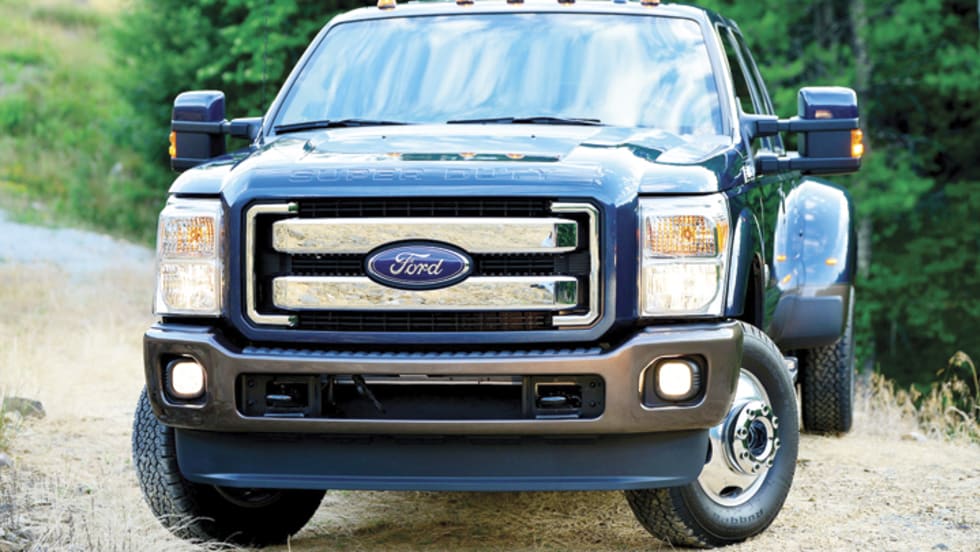
Maintenance continues to be among the most expensive aspects of running a Class 3-7 truck fleet. But, there are ways to control these costs and remain efficient.
Read More →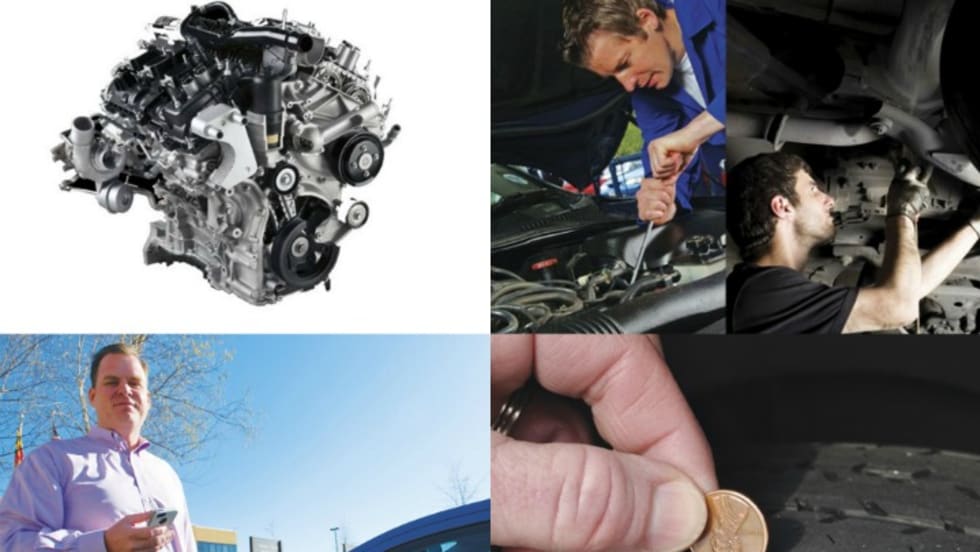
Fleet safety technology updates, operating cost trends, and strategies for interactions between fleet managers and their executive bosses stood out as the most popular articles for 2014 on AutomotiveFleet.com.
Read More →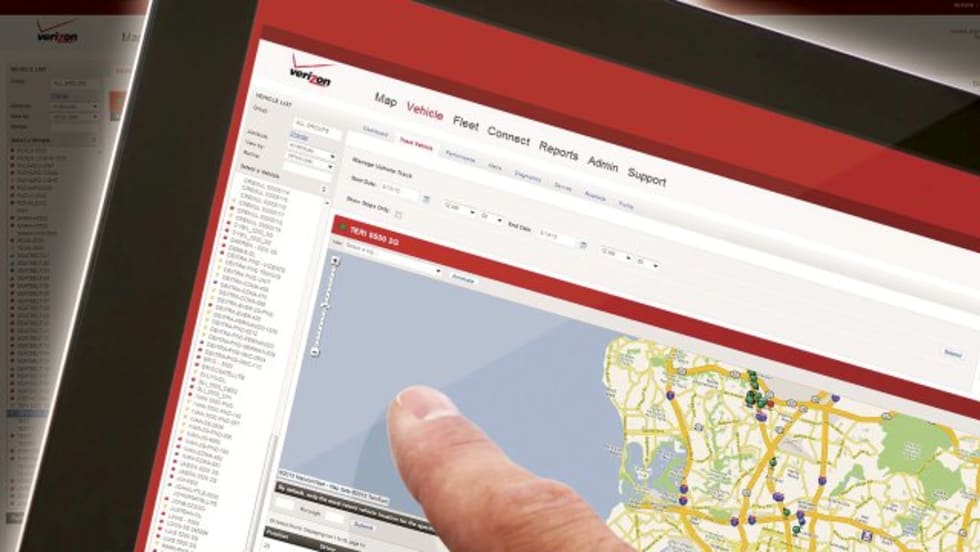
Better vehicle quality and the economic crisis of 2008-2009 have both impacted what most view as the traditional lifecycle for a truck fleet.
Read More →
If one word could describe the forecast for CY-2015 operating costs, it would be "flat." The upbeat forecast is for gasoline and diesel prices to slightly decrease, while maintenance and tire costs are predicted to remain stable.
Read More →