In the next 10 years, the fleet industry is forecast change more than it has in the past 15 years. These changes will mirror the broader transformation percolating throughout the global economy.
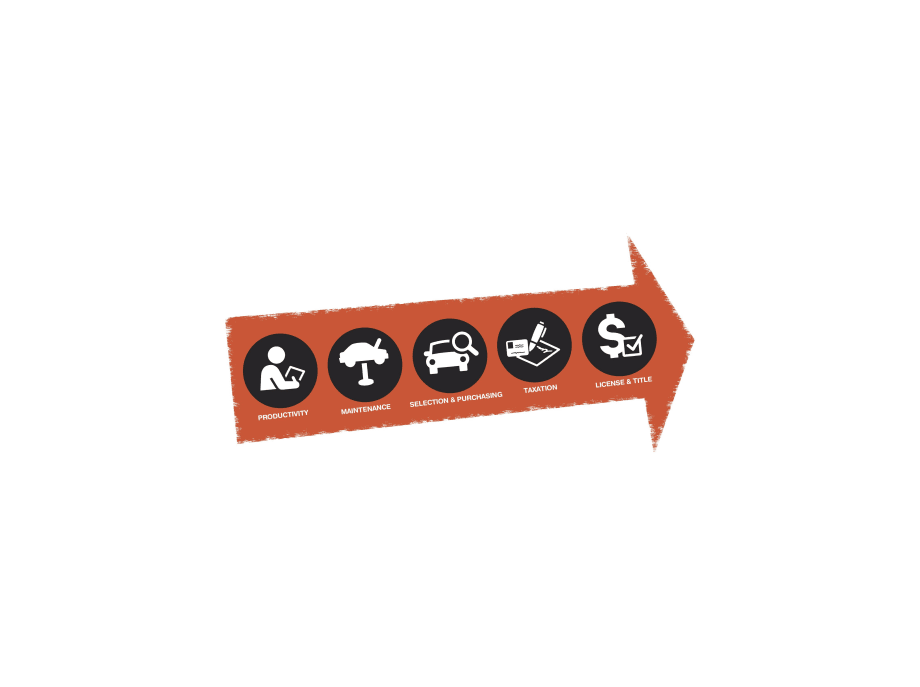
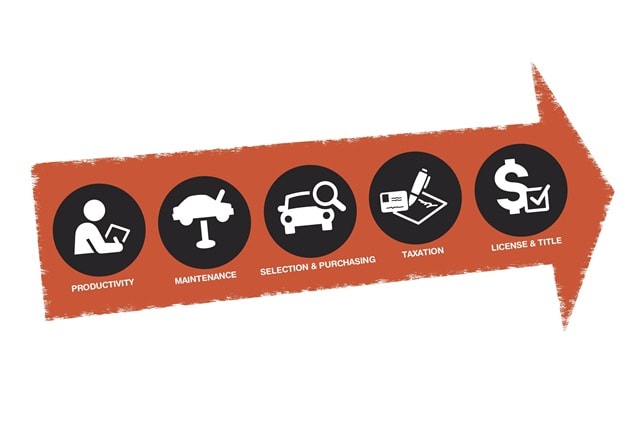
How will fleet management change in the next 10-plus years? In the following five articles, we have assembled a stellar ensemble of leading subject-matter experts who present wide-ranging forecasts about an array of fleet issues from both a service and product perspective. They include forecasts on:
Ad Loading...
Faster, better, and more sophisticated productivity tools.
An explosion of driver apps and the entrenchment of mobile technology as the primary medium for driver interaction.
Fleet maintenance transition from reactive to proactive practices using remote diagnostics tools.
The fleet impact of the larger societal migration to the “Internet of Everything” and the use of Big Data to drive fleet data analytics.
The impact of CAFE regulations on new-vehicle selection and purchasing.
Fleet taxation trends and the desire of some legislators to tax Web-based services.
Technological changes to license & title services.
Ad Loading...
In most cases, these fleet trends will be manifestations of a broader macro transformation that is percolating throughout the global economy. These changes will impact many different industry segments, with fleet representing only one offshoot of this multi-pronged, multi-faceted change.
Historically, fleet has proven to be an early adopter of new technologies and business practices; therefore it is important to watch how technology and business practices are evolving outside of fleet. How will these innovations be incorporated into fleet management? The greatest catalyst for fleet management change in the next 10-15 years will be technology-driven, and it will be driven by technology developed outside of the fleet management that will be customized to our business practices. This will result in a myriad of fleet functions redefined by technology.
Generational Upheaval
The other major change that will transform fleet management will be driven by demographics. The majority of people in this industry occupy a narrow demographic band, primarily Baby Boomers. In the next 10-15 years, there will be a dramatic generational change as Baby Boomers retire.
A new generation of thought-leaders will emerge, who will have never have known life without the Internet, social media, and on-demand connectivity. They will be comfortable working in a fleet environment increasingly governed by technology and will be receptive to adopting new technologies. I predict this new tech-savvy workforce (and management) will demand and even accelerate the adoption of technological solutions in fleet operations.
Ad Loading...
In the next 14 pages, this special report will offer a detailed exploration of how the fleet industry will change in the next decade. Let us know if we missed anything.
Neology’s neoFleet platform will manage toll transactions and toll-authority operations for vehicles across Avis, Budget, Payless, Budget Truck and Zipcar.
Nearly eight in 10 surveyed fleets allow personal use of company vehicles, while just over half of respondents report charging employees for the privilege.
Could developments overseas offer a preview of what’s coming for U.S. fleets? This week, we’re looking at the future of AI, autonomy, and electrification, plus Ford Pro’s new certified pre-owned program, smarter vehicle offboarding, and a new way for fleets to manage toll expenses.
Rising operating costs, driver safety concerns, and unplanned downtime are putting unprecedented pressure on modern fleets. Discover how fleet managers use embedded OEM connectivity and real-time vehicle data to cut TCO, prevent downtime, and protect drivers without aftermarket telematics hardware.
ADAS-equipped vehicles may crash less often, but they can cost more when they do. This week, we’re breaking down what that tradeoff means for fleets, plus Subaru’s first Forester Wilderness Hybrid, Nissan’s new e-POWER Rogue, and why Calstart has become Catalyst Mobility.
Iorillo brings nearly 20 years of fleet management and sales experience to the role, including previous positions at Element Fleet Management, CEI, Donlen and Ryder.
Where will fleet’s next generation of leaders come from? This week, we’re looking at the industry’s talent pipeline, what certification can add to a fleet career, how to build an award-worthy track record, and the return of Automotive Fleet’s Personal Use Survey.
Fleets have more driver data than ever, but identifying risky behavior doesn't necessarily correct it. Smith System's new Driver Risk Management program combines monitoring, training, and follow-up coaching to help fleets connect risk signals with driver intervention.