





Related: Longer Service Lives & Recalls Increase Maintenance Costs
Extended Service Intervals Help To Keep PM Costs Flat
Fleets continue to see OEM "recommended" and "required" scheduled service intervals extended, such as fluid changes, spark plugs, transmission services, and timing belts, which help keep preventive maintenance costs flat.
March 10, 2015
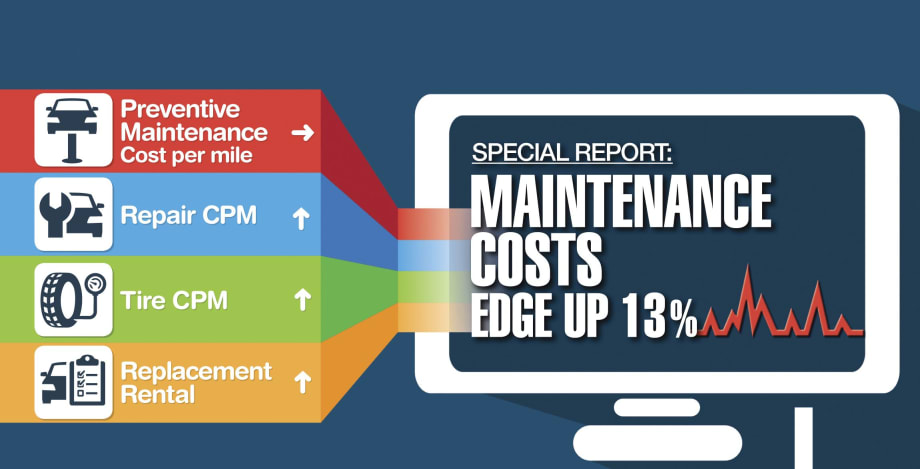
Illustration by Armie Bautista.
2 min to read
Illustration by Armie Bautista.
Passenger car preventive maintenance (PM) expenses in calendar-year 2014 were flat compared to CY-2013, primarily due to extended oil drain intervals.
In addition, improvements in engine design and onboard vehicle technology, along with improved oil quality, are allowing fleets to extend oil drain intervals.
“Extended oil change intervals helped offset higher cost per incident as the miles between oil changes increased to 9,255 miles. However, the cost per oil change increased 7 percent to $45,” said Chad Christensen, strategic consultant for GE Capital Fleet Services. “Many of the pre-2010 model passenger cars have been replaced by fleets and the original equipment oil life monitoring systems are contributing to the extended oil change intervals.”
Another factor influencing 2014 maintenance expenses is OEM changes to their scheduled maintenance programs.
“We continue to see OEM ‘recommended’ and ‘required’ scheduled service intervals extended, such as fluid changes, spark plugs, timing belts, and transmission services. We expect this to continue as OEMs develop innovative technologies and longer-life components,” said Mark Lange, technical service specialist for GE Capital Fleet Services.
While oil drain intervals have increased, the proliferation of smaller displacement engines in fleet applications is putting pressure on fleet managers to use synthetic oil to maximize engine life.
“The emergence of smaller vehicle engines with turbochargers may require full-synthetic motor oil, which could increase oil change costs,” said Lange.
“Several national providers are offering ‘do not exceed or max pricing’ on full-synthetic oil changes, which provides some level of stabilized pricing. This pricing ceiling cap provides expense assurances for fleets.”
One trend putting both downward and upward pressure on oil drain expenses is OEMs offering free oil changes.
“Free maintenance offerings offered by several OEMs, which often include oil changes and tire rotation, may be difficult for some fleets to manage. Balancing the advantage of free maintenance repairs with potentially higher labor rate costs for non-free repairs can be challenging,” said Lange.
Subscribe to Our Newsletter
More Maintenance

Sponsored•October 1, 2026
Fleet Manager’s Ultimate Playbook: Navigating the New Standard in OEM Connectivity
Rising operating costs, driver safety concerns, and unplanned downtime are putting unprecedented pressure on modern fleets. Discover how fleet managers use embedded OEM connectivity and real-time vehicle data to cut TCO, prevent downtime, and protect drivers without aftermarket telematics hardware.
Read More →
How Can Fleet Managers Tell Which Repairs Require Closer Review?
Fleetio’s Brianna Perry demonstrates how Service Advisor evaluates maintenance requests, identifies pricing anomalies, and provides the context fleet managers need to focus their attention on potential problems.
Read More →
Why Roadside Assistance Belongs in a Fleet Risk Strategy
Roadside assistance is more than a tow. See how the right partner can protect drivers, uncover fleet trends, and strengthen your risk strategy.
Read More →
Sponsored•August 7, 2026
Hidden in Plain Sight: Fleet Compliance Risks
Fleet compliance isn't just about having policies — it's about consistently enforcing them. This practical guide reveals six hidden compliance risks common in public sector and shared fleet operations and outlines proven strategies to improve visibility, accountability, and audit readiness
Read More →
How Maintenance Costs Compare Across 27 Fleet Vehicles
Vincentric’s three-year, 60,000-mile projections reveal wide differences for both scheduled and unscheduled maintenance among selected vehicle categories. Projected maintenance visits also play a factor.
Read More →
The EV Breakdown Nobody's Talking About: Why Most Electric Vehicle Roadside Calls Aren't Mechanical Failures
Here's why EV breakdowns are widely misunderstood.
Read More →
How Stellantis Plans to Get Ahead of Fleet Downtime
Keeping fleet vehicles on the road has become as important as buying them. Darren Bradshaw of Mopar North America explains how connected vehicle data, AI, and proactive service strategies are helping Stellantis reduce downtime and move closer to predictive maintenance.
Read More →
Merchants Fleet Expands Maintenance Network with Pep Boys
Merchants Fleet has expanded its relationship with Pep Boys, increasing the service provider's role within its national maintenance network. The move is intended to enhance maintenance coordination and support commercial fleets through Pep Boys' nationwide footprint.
Read More →
The Two Biggest Summer Downtime Threats for Fleets
A conversation with a maintenance expert reveals the two most common summer maintenance pains and how to prevent them.
Read More →
From Marine Corps Motor Pool to Managing 460 Fleet Vehicles
Cesar Ayala of O’Connell Landscape Maintenance shares how he transitioned from the Marine Corps to managing a 460-vehicle fleet—and the real-world challenges of maintenance, compliance, and driver management in California.
Read More →