


 MENU
MENU SEARCHMENUSEARCH
Loading data...
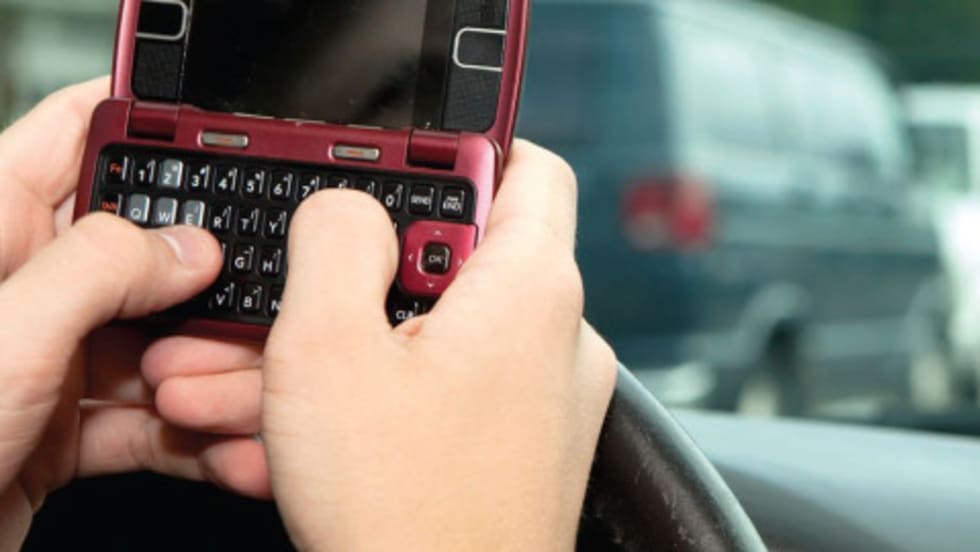
U.S. drivers are witnessing the gruesome results that can occur as a result of texting while driving, and fleet drivers are no exception. Fleet managers can avoid a potential tragedy by immediately banning texting while driving.
Read More →
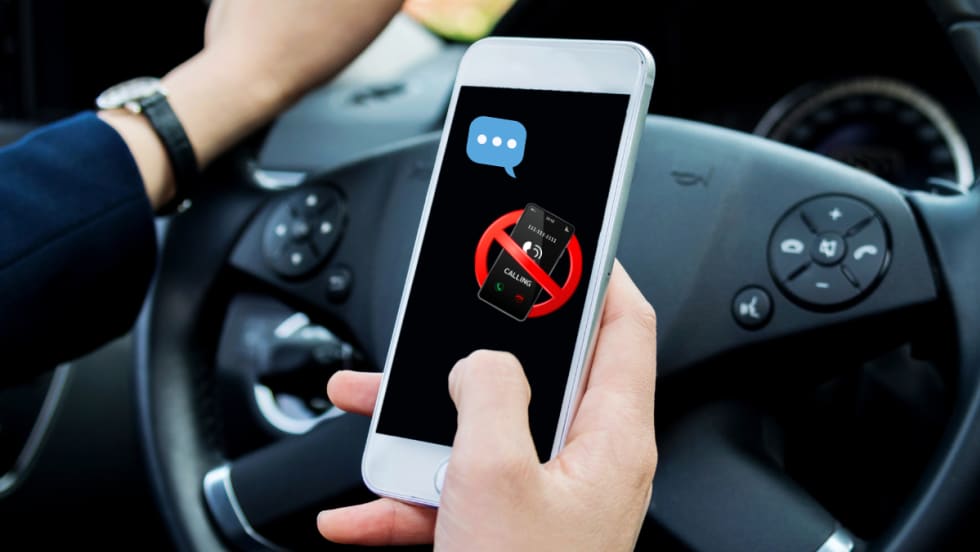
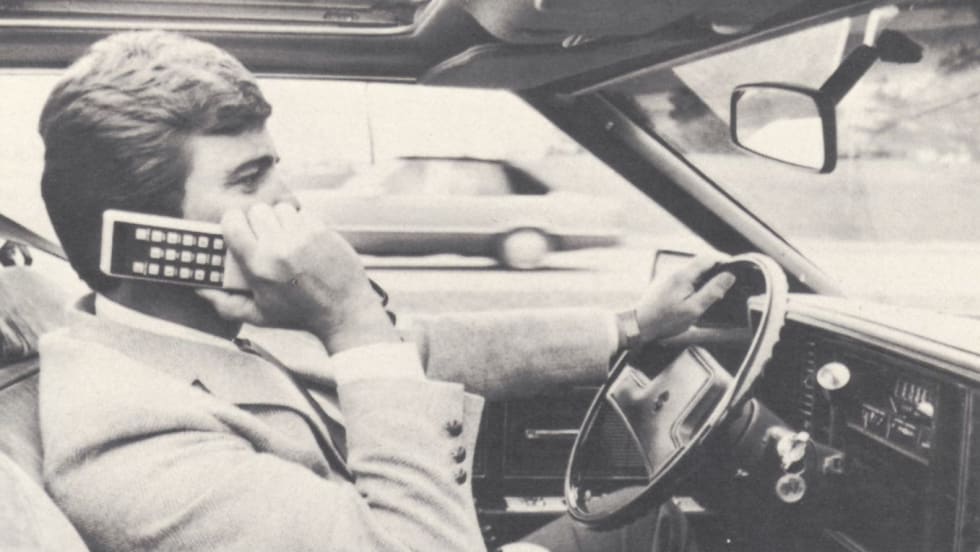
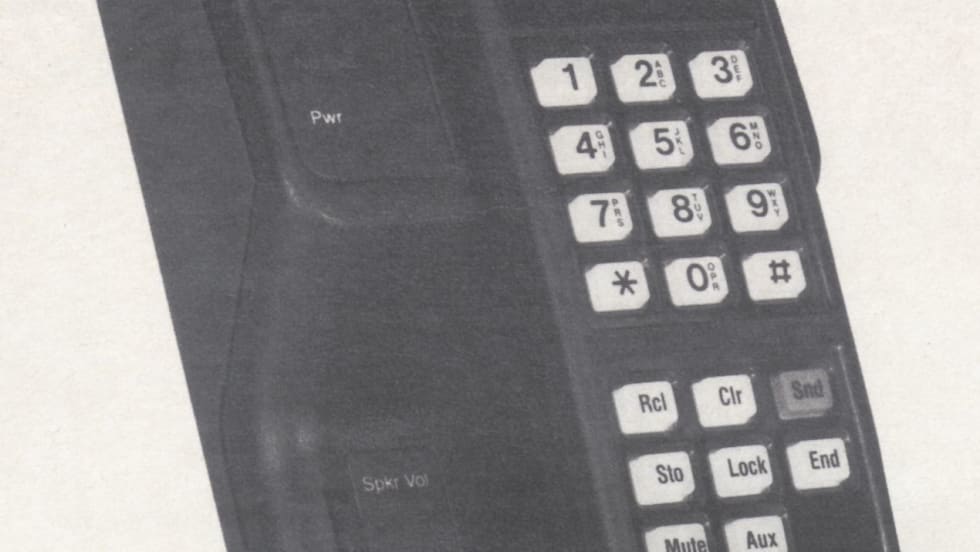
The popularity of texting has skyrocketed over the past four years. All agree that texting and driving are incompatible. However, a texting ban could have unintended consequences of interfering with productivity devices business drivers and truckers rely on. There are numerous ramifications to overzealous prohibitions on the use of on-board electronic communications that potentially may be counter-productive to driver safety. Let's target unsafe driving behavior, not on-board productivity tools.
Read More →While using cell phones in general greatly contributes to vehicle accidents, driving while texting (DWT) poses a higher risk than just talking on the phone while driving.
Read More →Texting while driving, one of the latest forms of driver distraction, poses significant accident risks and has gained the attention of lawmakers developing anti-texting laws.
Read More →Cellular phones allow companies to improve their overall customer service, Plus, expanding cellular coverage and consolidated billing have caused an increasing number of companies to acquire them for their fleets.
Read More →Wheels has announced a national cellular program which offers various fleet-specific features such as consolidated billing and management reports. The program is available to all fleets whether or not they are a Wheels client.
Read More →No longer considered luxuries for executives, cellular phones are steadily making their way onto equipment option lists of fleets. Studies show that cellular phones lead to increased productivity.
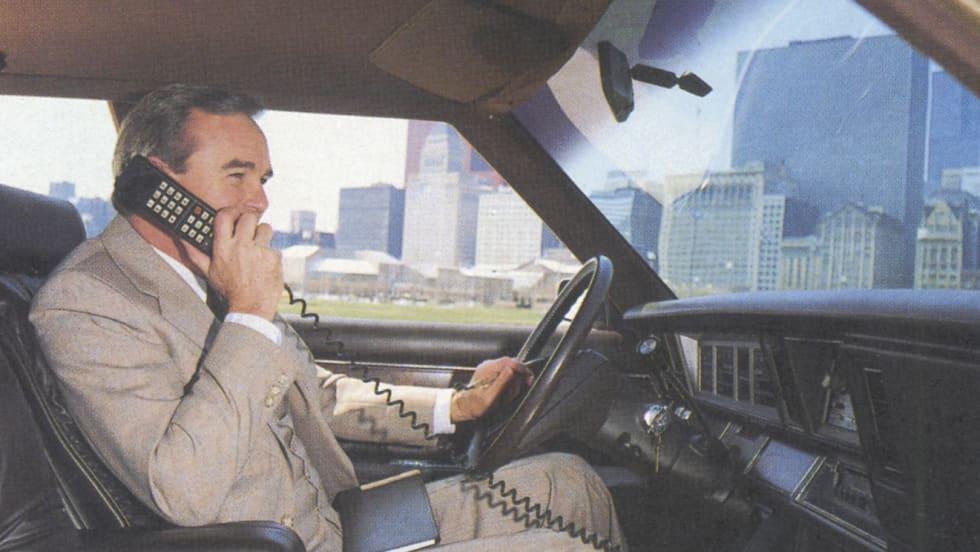
Read More →Five years ago this month, the first cellular phone system started operating in Chicago. Improving technology and greater affordability have helped markets emerge nationwide, serving approximately 1.5 million cellular phones.
Read More →Cell phones allow businessmen to conduct business while they're driving. They can make and cancel appointments, return messages, contact their secretaries, and provide customer with important information without having to go to the zone office or hunt down a pay phone.
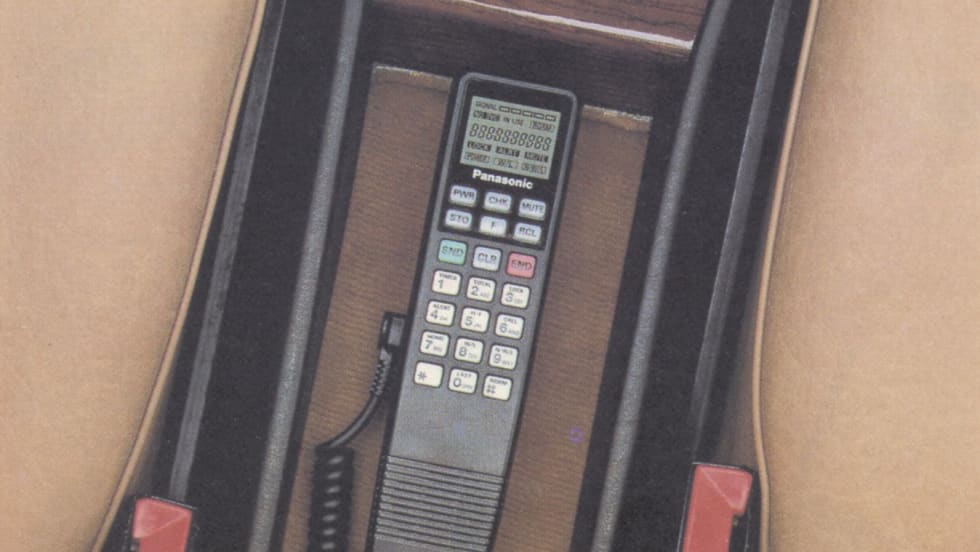
Read More →At one time, the mobile telephone was thought of as little more than a plaything. Making calls from a mobile telephone was expensive; air space, range, and frequency availability were limited; and the quality of transmission was poor at best. But the same technology that changed the hand-held calculator from an expensive toy to an inexpensive every-day tool many have the same effect on the mobile telephone.
Read More →