


 MENU
MENU SEARCHMENUSEARCH
Loading data...

Changing driver behavior is the key to long-term success. There are five principles to changing driver behavior.
Read More →






If you are not actively engaging your drivers to help meet fleet objectives, you are managing the fleet with one hand tied behind your back. Most fleet programs focus on managing the asset versus managing the driver.
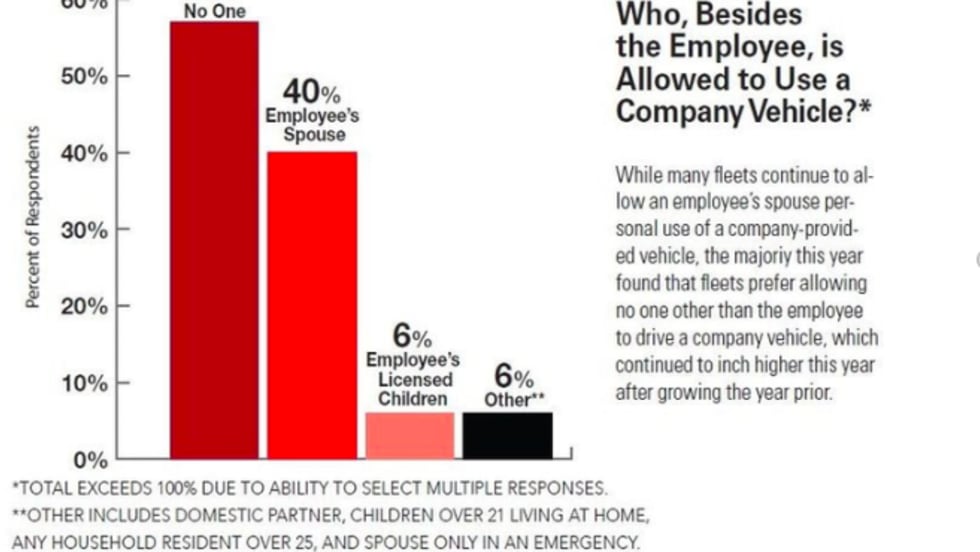
Read More →Are your fleet drivers using company vehicles for personal use? Setting policies regarding family use, age limits, driving infractions, and other behaviors helps reduce risks and limit liability.
Read More →Average personal use charges have been on a gradual rise over the past several years, led by vehicle preference and pricing.
Read More →A great fleet manager constantly conceptualizes new initiatives, is creative in problem-solving, motivates staff and suppliers to excel, and is willing to experiment by implementing new technology-based fleet solutions.
Read More →It’s an old adage, but believe it or not, it applies quite nicely to fleet management. Though sometimes it is tempting to say that the job of managing a fleet has changed dramatically, has it really?
Read More →There are many concerns that must be addressed when creating a policy, as concerns can be different for every company. This includes effectively communicating policies and reviewing them on an annual basis.
Read More →Fleets need to have back up from its organization to instill a profound safety culture. Having full support from the top down will initiate efforts that are aimed at improving driver safety.
Read More →One under-discussed topic is when a fleet vehicle is impounded because it is part of a crime scene and declared by the police to be physical evidence in a criminal investigation.
Read More →Running a well-managed fleet is a complex task that requires supervision by someone with deep subject-matter expertise. As a result, a fleet manager’s capabilities and expertise can be easily overlooked by executive management not versed in the intricacies of fleet management.
Read More →