





Related: Practicing Goal-Oriented Proactive Fleet Management
How to Avoid Stagnating as a Fleet Manager
Running a well-managed fleet is a complex task that requires supervision by someone with deep subject-matter expertise. As a result, a fleet manager’s capabilities and expertise can be easily overlooked by executive management not versed in the intricacies of fleet management.
April 23, 2019
When fleet is well-managed, it tends not to be on the radar of senior management, who, often, are not aware of the behind-the-scenes expertise that keeps a fleet running smoothly. In fact, one of the biggest challenges facing fleet managers is getting senior management to see and acknowledge their contribution to the company.
Photo by Dmitrii_Guzhanin via Getty Images.
5 min to read
Running a well-managed fleet is a complex task that requires supervision by someone with deep subject-matter expertise. But, by being good at something, it invariably makes the task at hand look easy. As a result, a fleet manager’s capabilities and expertise can be easily overlooked by executive management not versed in the intricacies of fleet management.
Typically, fleet is not core to a senior executive’s responsibilities, so they tend to focus on fleet when things go wrong, such as expenses needing to be cut or addressing dissatisfaction voiced by user groups. When fleet is well-managed, it tends not to be on the radar of senior management, who, often, are not aware of the behind-the-scenes expertise that keeps a fleet running smoothly.
In fact, one of the biggest challenges facing fleet managers is getting senior management to see and acknowledge their contribution to the company. Too many fleet managers labor in obscurity and are taken for granted.
Conversely, sometimes being good at what you do breeds complacency. This is a real danger to fleet operations, especially well-run fleets. Most fleet managers will tell you that the low-hanging fruit has been picked long ago and there are a diminishing number of opportunities to further refine fleet efficiency and reduce costs.
There is truth in this statement, but sometimes it can be used as an excuse by some fleet managers not to stray from their comfort zone. They reason that things are working just fine, why monkey with a well-tuned fleet operation? Again, there is some truth to this statement. But ask yourself, “Is your goal to run a well-managed fleet or do you want to run a best-in-class fleet?”
Avoiding the Road to Complacency
It is important to have an open-book policy and share data with senior management, internal customers, and supplier partners. From the perspective of management, this will validate that you are getting optimum performance from the fleet. This will cultivate the recognition with senior management that you are the in-house expert on all matters dealing with fleet management.
But, this isn’t a given; the fleet manager must work at earning the full support of senior management. It is important for management to understand that a competent fleet manager can easily save a company millions of dollars by implementing the right fleet policies and selecting the right suppliers.
However, veteran fleet managers who have implemented numerous cost saving initiatives will tell you that savings become more difficult to find – the law of diminishing returns takes hold. They point out that most of the excess cost has already been wrung out of the operation, noting metrics that prove the fleet is running smoothly.
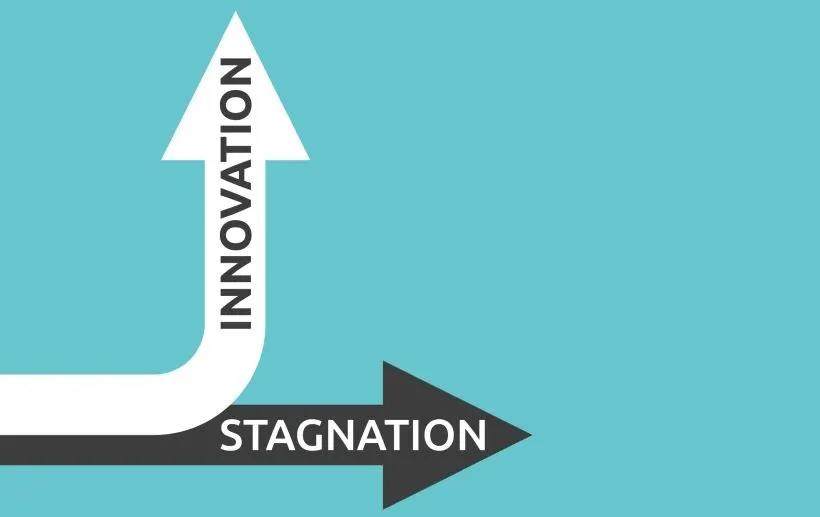
Unfortunately, these fleet managers are operating on autopilot and have become too comfortable in their positions. This is the road to complacency, or, at worst, it is the road to stagnation. When operations are running smoothly, there is inertia to change. The conventional wisdom is to not change something that isn’t broken. But this assumption breeds complacency, which, in the final analysis, is the nemesis of excellence.
To avoid complacency, fleet managers need to rise above the level of simply managing day-to-day work. Your understanding of your company’s business must transcend fleet management. The purpose of fleet is provide the tools to fulfill the corporations overall business goals. This must be your focus when conceptualizing new fleet initiatives. You must be creative in problem-solving and be willing to experiment by implementing new technology-based fleet solutions.
All fleet managers must strive to stay current with industry best practices. One underutilized resource is prospective suppliers. Many fleet managers make themselves inaccessible to prospective suppliers. By doing so, they are missing a wonderful opportunity to pick their brains to learn of new industry developments. You need to continually ask suppliers what they have seen among their client base that is successful.
Could these practices be implemented in your fleet operation? If you are not continually learning about new products and services, it’s easy to become stale at what you do.
Stretch Beyond Your Comfort Level
Becoming comfortable in your position by resting on one's laurels, is a management deficiency exemplified by complacency. A great fleet manager practices continuous improvement and believes additional cost savings, efficiencies, and productivity can be achieved. They believe there is always room for improvement. They are continual learners, who stay current with industry best practices by budgeting to attend industry conferences and webinars to learn from industry subject-matter experts.
By not continually learning about fleet management, about new products and services, it’s easy to become stale at what you do. Network and probe with your peers. Ask what’s working for them. Adopt proven solutions successful at other fleet operations. By getting out of your comfort zone, it forces you to view fleet management from a different perspective. It stimulates you to think new thoughts and see solutions in a different light. Be willing to experiment.
Not all problems have a silver bullet solution; many times problems are resolved through incremental enhancements. Be proactive. Great fleet managers confront deficiencies before they become problems. But more importantly, they don’t rest on their past laurels. They always believe more can be done.
A great fleet manager constantly conceptualizes new initiatives, is creative in problem-solving, motivates staff and suppliers to excel, and is willing to experiment by implementing new technology-based fleet solutions. A fleet manager who gets too comfortable with his or her operation becomes complacent with his or her skillset.
When operations are running smoothly, there is inertia to change. Do not succumb to the conventional wisdom that if something that isn’t broken, don’t change it. Sweat the details. The difference between good and great is measured in inches.
The many great fleet managers who I know and have known over the years are not complacent; they are strivers who are forward thinking and constantly pushing the envelope.
Let me know what you think.
Subscribe to Our Newsletter
More Blog Posts

Fleets Want Trust Restored with Suppliers
During this period of ongoing supply constraints, the trust that fleet managers had with OEMs, upfitters, and dealers has been strained. Fleet managers say they have had too many experiences over the past three years coping with erroneous information, adjusting to multiple price increases, and feeling betrayed by inadequate transparency from suppliers.
Read More →
Scheduled Replacement Cycles Are Becoming a Distant Memory
The ongoing difficulty in sourcing replacement vehicles is forcing companies to extend the service lives of vehicles that are unable to be replaced, which, inevitably, increases unscheduled maintenance expenses.
Read More →
Fleet Simplification is the Antidote to Asset Variability
Fleet simplification identifies asset functions to uncover commonality among the equipment and assets. Simplification increases operational efficiency as end-users become accustomed to the controls, displays, and operation of less diverse units.
Read More →
The Dangers of Static Fleet Policies
A fleet policy is a living document, flexible enough to adapt to evolving business priorities, developing industry trends, and changing industry best practices and standards.
Read More →
Short-Term vs. Long-Term Cost Reductions
Corporate procurement staff are often driven by short-term, immediate cost reductions. However, a longer perspective to soft cost savings is critical because fixating on short-term results will hurt a company in the long run.
Read More →
Uptick in Unscheduled Maintenance Increasing Vehicle Downtime
Fleet data analysis can identify recurring downtime issues. It’s important to determine the root causes of downtime so procedures can be developed to minimize such problems.
Read More →
Eliminate Needless Curb Weight to Maximize ICE & EV Efficiencies
Vehicle weight relates directly to fuel economy. In today’s era of electrification, there is also a direct correlation between vehicle weight and battery range.
Read More →
Tech Dependence Risks Dumbing Down Fleet Manager Expertise
The line between creative thinking and problem solving and doing what the data indicates is thin. To lead in fleet management, you need to balance understanding the fundamentals and embracing what smart technology offers.
Read More →
Leverage the Synergy of Safe Driving to Achieve Sustainability and Cost Goals
Safe driving, emission reductions, and cost containment can all be achieved at the same time.
Read More →
The Playbook for Fleet Manager Success
There are many paths to success — most of them involve being flexible, open-minded, and willing to learn.
Read More →