


 MENU
 SEARCHMENUSEARCH
Loading data...

The national average price of a gallon of regular unleaded increased 3 cents to $2.35 for the week ending Aug. 7 due to summer demand "running full speed ahead," according to AAA.
Read More →




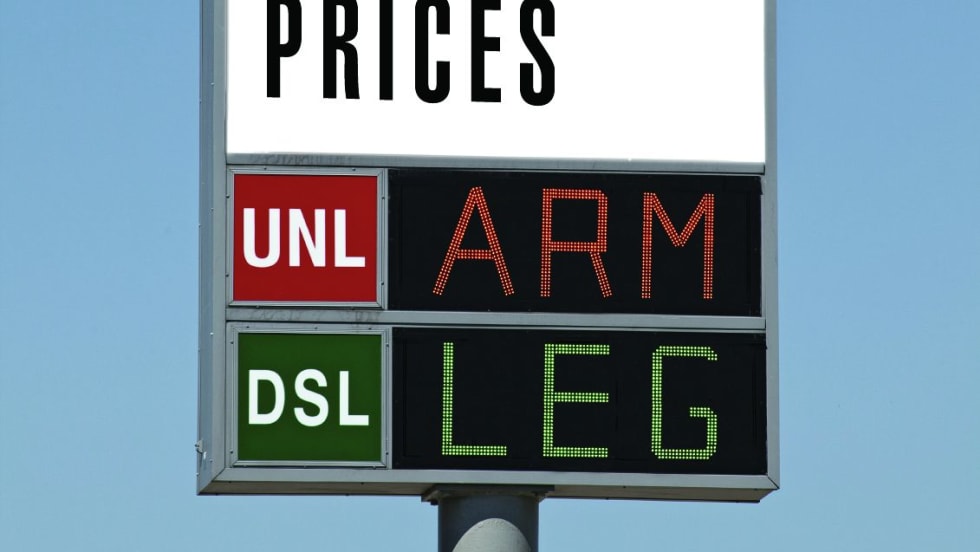



Even with lower prices, fuel continues to be among the top costs for fleets. Fleets share some of their best practices to manage fuel.
Read More →Controlling fuel spend is a top priority for fleet managers. There are more tools and strategies than ever to not burn the midnight oil, start saving (and stop sweating) on fuel spend.
Read More →Retail industry drivers purchase more premium fuel and higher-priced fuel on average than other industries, while telecommunications, insurance and government fleets keep overspending in check, according to data from WEX Inc.
Read More →Explore the many ways fuel costs can get out of control and how you can stop it.
Read More →On top of the pandemic, supply chain shortage, and the distant danger of long-term inflation, the war in Ukraine has helped drive fuel prices skyward. Will it last? And what can be done about it?
Read More →Fleets are seeing significant savings by focusing on improving the fuel economy of existing vehicles and acquiring newer, more fuel-efficient models.
Read More →The largest fleet operating expense is fuel, which traditionally represents approximately 60% of all operating costs. However, the decreased miles driven by fleets during the pandemic was the No. 1 factor contributing to keeping fuel costs flat in 2020.
Read More →These common-sense tips can be implemented across many different types of fleets — and most don't require a substantial financial outlay.
Read More →Six trends to watch to build a more cost-effective, secure, and easy-to-manage fuel program.
Read More →