


 MENU
MENU SEARCHMENUSEARCH
Loading data...

Kia Motors plans to ramp up its green car lineup to 11 models by 2020, and will begin by offering a hybrid compact SUV now called the Niro Hybrid Utility Vehicle.
Read More →


The battery-electric BMW i3 has topped Kelly Blue Book's list of the top 10 green cars for 2015 for the second year in a row, KBB.com has announced.
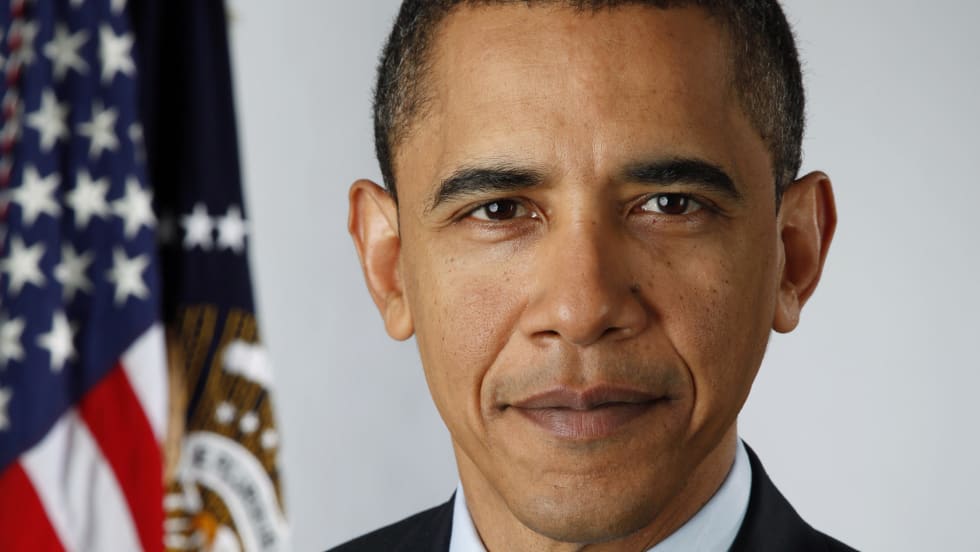
Read More →President Obama signed into law two pieces of legislation extending alternative fuels tax credits and removing the federal Corporate Average Fuel Economy (CAFE) program credit cap for bi-fuel natural gas vehicles (NGVs).
Read More →Americans (and fleet managers) love their trucks. Occasional spikes in oil prices aside, in most cases the American consumer and the American fleet driver want the biggest possible vehicle they can get their hands on.
Read More →Hyundai and Kia Motors may introduce diesel-fueled vehicles in the U.S. to meet stricter fuel efficiency regulations, a senior official with the automakers told Ward's Automotive.
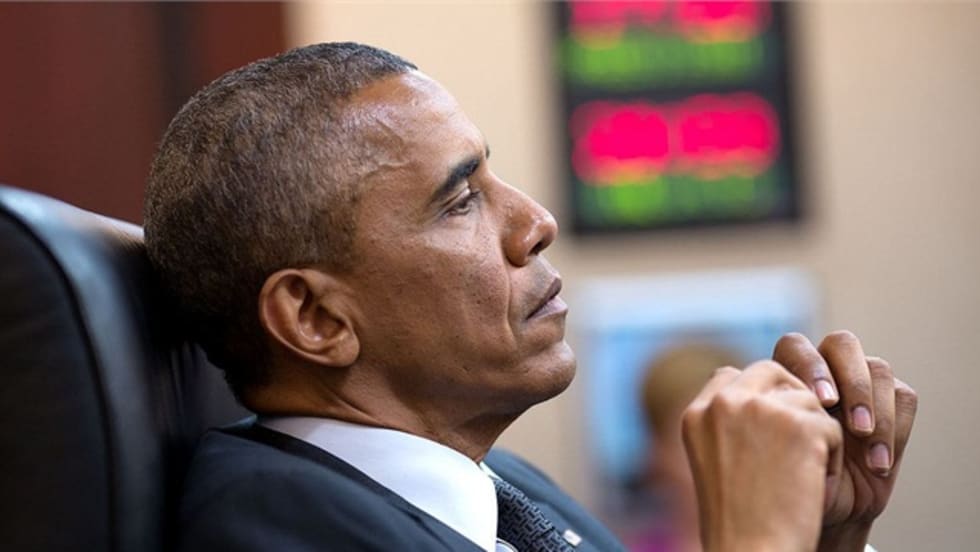
Read More →President Barack Obama will direct federal agencies on February 18 to develop higher fuel economy standards for medium- and heavy-duty trucks over the next two years by March of 2016.
Read More →The long-term trend in vehicle cycling for commercial fleets has been a gradual increase in vehicle service lives. An increasing number of companies cut costs by extending vehicle replacement cycles so cash flow can be diverted to other expenditures. When extending vehicle cycles, the most significant (and uncertain) expense is the impact on the maintenance budget. Another argument against extended replacement cycling, albeit less vocalized, is the impact on corporate sustainability.
Read More →ARI announced the release of its 2014 Industry Outlook, an annual publication that gives fleet managers tactical insight into the trends and opportunities that are expected to impact their fleet operations throughout the year.
Read More →Fuel is one of the largest expenses associated with owning and operating a fleet, typically, second only to asset acquisition and depreciation. Here are some strategies to mitigate the effects of fuel price fluctuations and increases without impacting service levels.
Read More →The U.S. EPA's report found that between 2007 and 2012, fuel economy values increased by 16% whereas CO2 emissions decreased by 13%.
Read More →