


 MENU
MENU SEARCHMENUSEARCH
Loading data...

The newly developed technology provides an alternative to current in-vehicle devices used to ensure past DUI offenders don’t drive under the influence.
Read More →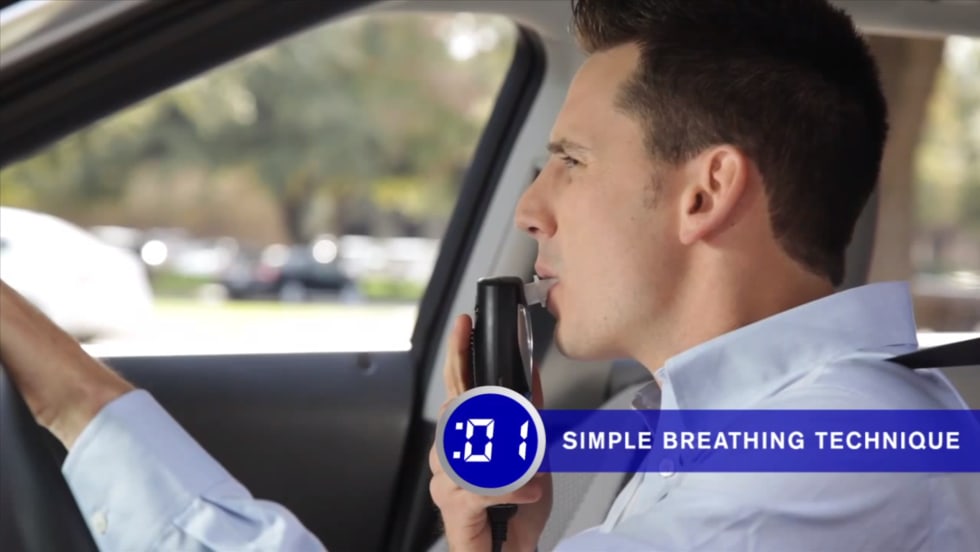

The federal agency releases guidelines on how state governments can improve the use of ignition interlock devices to prevent impaired driving.
Read More →Working with the auto industry, the federal agency hopes to fast-track widespread use of seatbelt interlocks, driver alcohol-detection systems and forward collision avoidance systems.
Read More →Tennessee legislators are considering a bill that would prohibit certain drivers – those with a restricted license as a result of a DUI involving alcohol – from operating a vehicle unless it’s equipped with a functioning ignition interlock device.
Read More →Advocates for Highway and Auto Safety on Jan. 15 released the group's 10th annual "roadmap" report, grading all 50 states and the District of Columbia on their action – or lack thereof – on 15 basic highway safety laws.
Read More →SANTA ANA, CA – AAA, citing the need to protect the public against drunk drivers, announced its support of ignition interlocks for all convicted DUI offenders.
Read More →WASHINGTON – The $105 billion transportation/student loan bill, passed by Congress on June 29, includes a number of provisions intended to improve traffic safety.
Read More →PROVIDENCE, RI – The Rhode Island House this month approved legislation that would require ignition interlock use for repeat DUI offenders and for drivers who repeatedly refuse to take a chemical sobriety test.
Read More →WASHINGTON – The U.S. Senate on Wednesday, March 14, approved a $109 billion transportation bill that would give states greater spending flexibility while maintaining the current level of funding for highway and transit projects for two years. The legislation includes funding for highway safety programs and for rebuilding roads, bridges and rail systems.
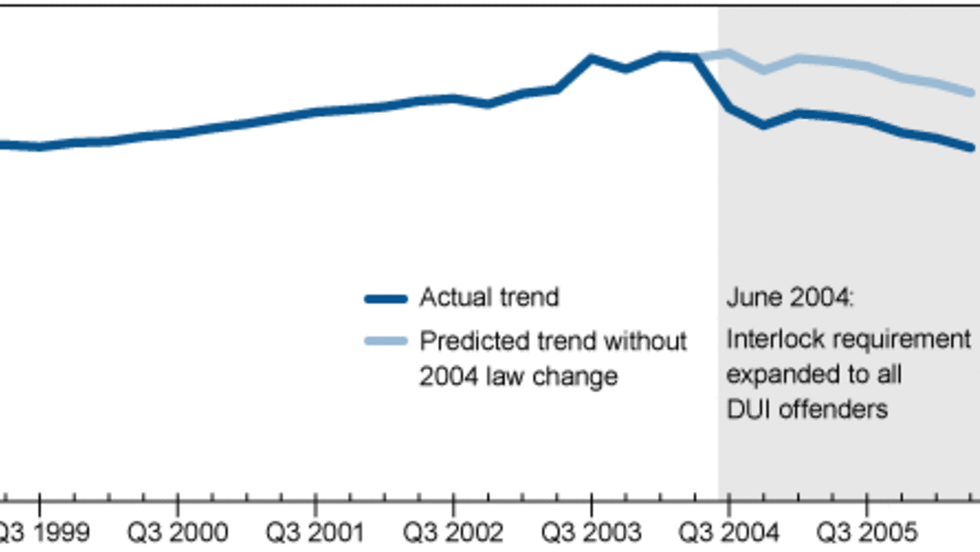
Read More →ARLINGTON, VA — A new study by the Insurance Institute for Highway Safety (IIHS) concludes that motorists convicted for the first time of alcohol-impaired driving are less likely to reoffend if they have to install ignition interlocks on their vehicles.
Read More →