




Wright & Filippis Fleet Makes Switch to Propane
LIVONIA, MI - Wright & Filippis, a family-owned medical equipment provider headquartered in Rochester Hills, Mich., recently purchased a combination of cargo and cutaway vans that will run on propane autogas.
LIVONIA, MI - Wright & Filippis, a family-owned medical equipment provider headquartered in Rochester Hills, Mich., recently purchased a combination of cargo and cutaway vans that will run on propane autogas, according to ROUSH CleanTech.
One of the critical services Wright & Filippis provides is home delivery of medical products, including in-home oxygen and other respiratory services. "Finding a viable way to serve our patients while minimizing our impact on the environment has been an important mission for us. Fortunately, we've discovered that propane autogas makes it possible for us to accomplish this," said Mike Murray, Wright & Filippis' director of marketing and communications.
With more than 975,000 miles covered annually by the Wright & Filippis fleet, distribution and fleet manager Tom Hopkins has put considerable research into choosing the right alternative fuel for the company. Twelve propane autogas vans, about 25 percent of Wright & Filippis' delivery fleet, have been approved for purchase over the next few years in a grant through the Ann Arbor Clean Cities program.
"We have actually been considering the transition to propane autogas for some time now, but could not find the right system at the right price point," shared Hopkins. "I was introduced to the ROUSH CleanTech product in April of this year and felt that it was the ideal solution for Wright & Filippis."
According to Murray, the company has made a concerted effort to reduce its carbon footprint by instituting many "green" initiatives. "We've had an extensive recycling program for several years, and it's important to us that we use our resources as wisely as possible," said Murray. "That's why we've worked hard to develop efficient routes for our vehicle fleet, but moving to propane vehicles is the best-possible step we could take to minimize our impact on the environment. And when you combine that initiative with the long-term cost savings we'll realize, propane autogas just makes sense on every level."
"ROUSH CleanTech's Ford E-series line of liquid propane powered vans and cutaway cargo vehicles are quickly populating fleets across America whose managers are looking for a change in the old way of doing business," said Thompson.
Hopkins estimates a boost in the company's bottom line within months of the first vehicle deployment at the end of November. "We feel the clean-burning propane will greatly reduce our maintenance cost and extend our engine life, which will naturally increase the life cycle of the vehicle. It certainly helps that propane autogas is 30 percent to 40 percent less expensive per gallon than traditional gasoline," he said.
The company is working with Ferrellgas to install a 1,000-gallon fueling station on-site at their central distribution facility to increase overall efficiency during the transition.
The new vans will be displayed at the MedTrade Expo, a home medical equipment industry trade show set for Nov. 15-18, at the Georgia World Congress Center. Hopkins encourages fleet managers to visit the Propane Education & Research Council's Propane Pavilion booth at the Expo to see for themselves propane's benefits.
"We feel strongly that it is a practical and proven solution to reduce our operating cost and become more eco-friendly," Hopkins added. "Large fleets outside of our industry like Schwan's have been running propane-powered vehicles since the 70's. It is sustainable technology that works. Currently, there are also great government incentives and grant funding opportunities to assist with the incremental cost of conversion. I would encourage any home medical equipment owner to take a look at the propane solutions that are out there today. I think that each will find that they are a very cost-effective solution that makes sense for their fleets as well."
More Fuel

Turning Fleet Payment Data into Executive Insights
Ramel Lindsay of U.S. Bank Voyager discusses how fleets can transform payment and transaction data into actionable intelligence to reduce costs, improve oversight, and support executive decision-making.
Read More →
Why the IRS Raised Its Mileage Rate in the Middle of 2026
Fuel-price volatility drove the rare increase to 76 cents per mile, the fifth midyear adjustment since 2000.
Read More →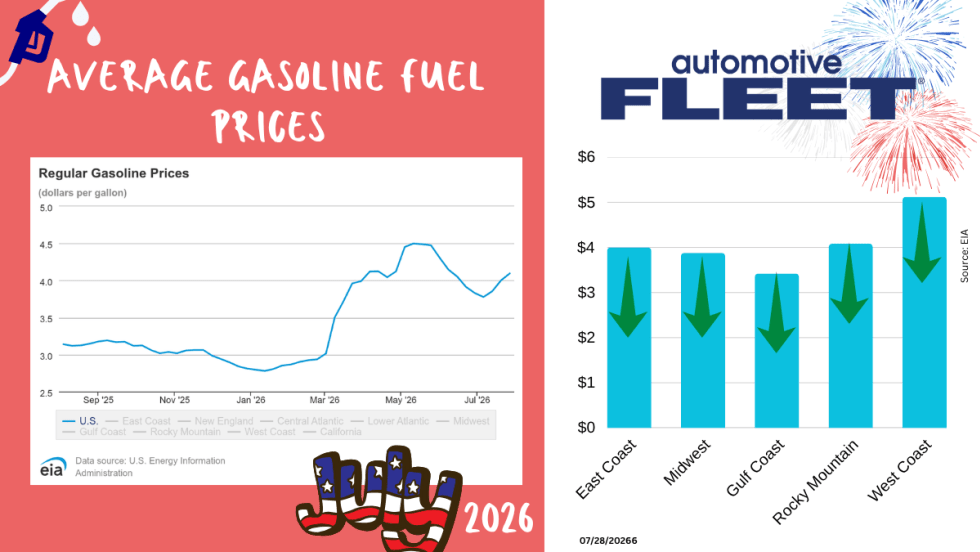
July Fuel Update: Prices Keep Rising in Light of More Conflict
Gas prices continue to rise as more and more conflicts do, too.
Read More →
Bob Adamsky on Fuel Volatility: "Don't Panic, Have a Plan."
When it comes to up and down fuel prices, Adamsky has a message for fleets: “Don’t panic.”
Read More →
How Fleets Can Gain Control of Non-Fuel Spend
Fuel often gets the spotlight, but non-fuel expenses can have a major impact on fleet costs. Ramel Lindsay of U.S. Bank Voyager discusses how fleets can gain better visibility and control over these often-overlooked expenditures.
Read More →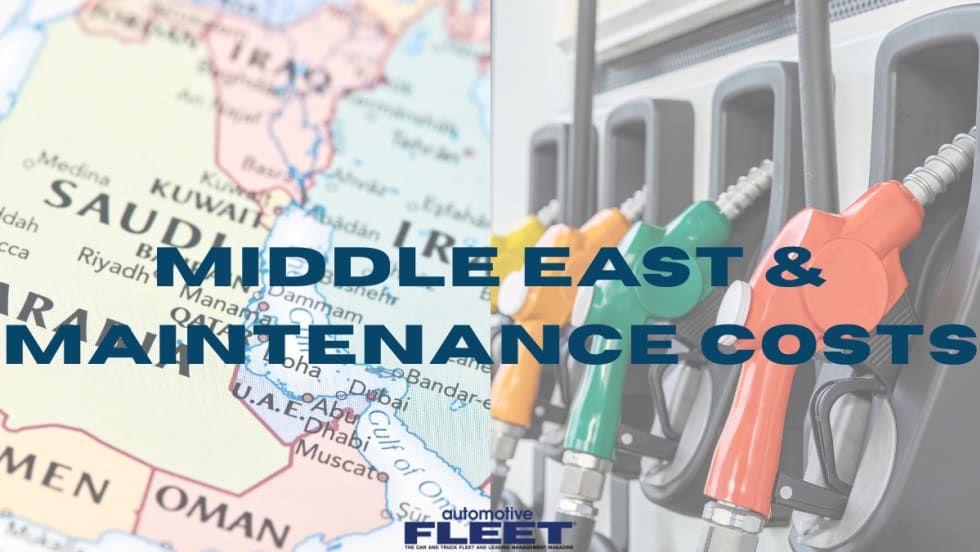
Fuel is Just the Start: How Middle East Tensions are Driving Up Fleet Maintenance Costs
The Middle East conflict is doing more than pushing up fuel prices. It’s also raising the cost of key maintenance products your fleet depends on, from motor oil to tires to windshield wipers. Here’s what you need to know about this budget-busting situation.
Read More →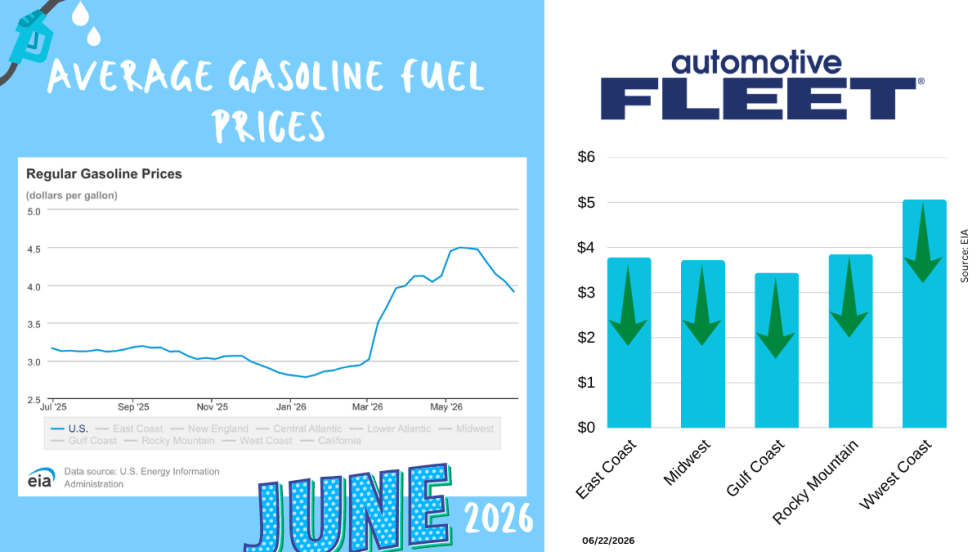
June Fuel Update: Prices Fall Below $4
Drivers are finally getting some relief at the pump. The national average gas price has dropped below $4 a gallon for the first time in months, with prices falling in 47 states as oil markets react to developments in U.S.-Iran negotiations.
Read More →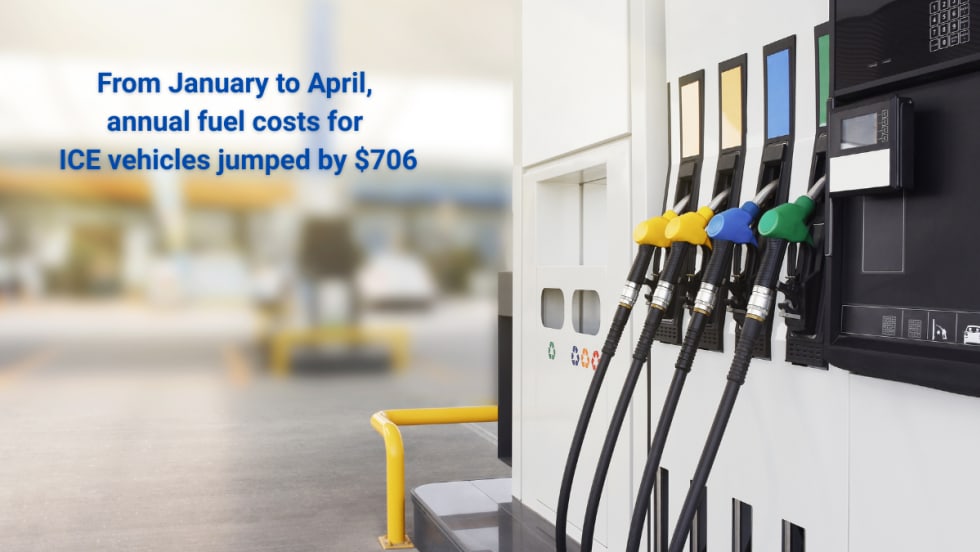
Study: How 2026's Gas Price Hikes Affect Different Vehicle Types
New data from iSeeCars reveals how rising fuel costs have affected different vehicle segments as gasoline prices climbed nearly 46% over the past four months.
Read More →
Are You Tracking Your Fleet's True Total Cost of Ownership?
Bobit Business Media surveyed 190 fleet professionals and found that while most fleets are tracking costs, fragmented systems and data gaps are keeping true TCO visibility out of reach. With rising pressure to control spend in an increasingly volatile environment, the gap between what fleets think they know and what the data actually shows is wider than you might expect. See how your peers are managing costs today and where the industry still has room to improve.
Read More →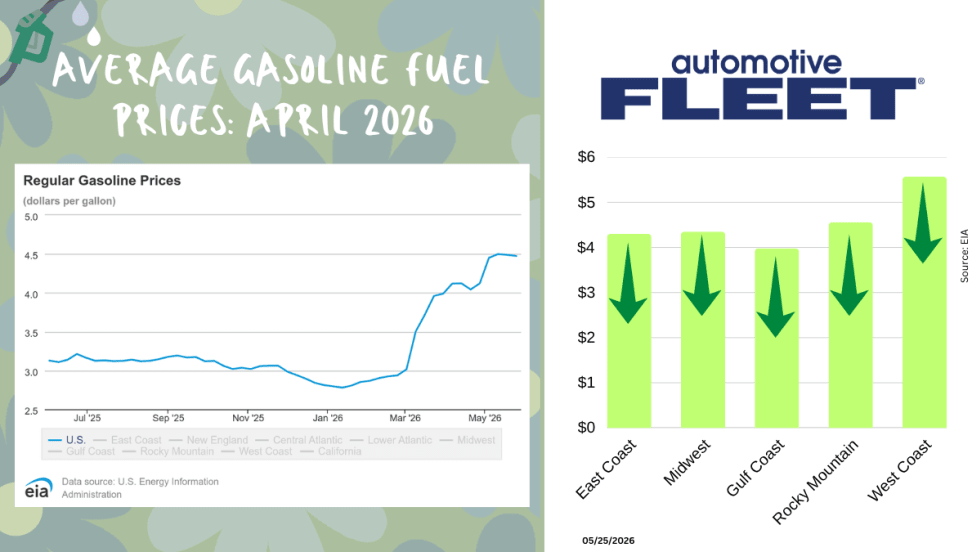
May Fuel Update: All Regions Experience Declines
Gas prices are finally easing in much of the country, but experts warn global tensions could quickly reverse the trend as the national average remains well above last month’s levels.
Read More →