





Read More: J.D. Power, Motorq Partner to Measure Real-World EV Battery Health
Why Has Initial Vehicle Quality Declined?
The J.D. Power U.S. Initial Quality Study is based this year on responses from 93,380 purchasers and lessees of new 2023 model-year vehicles who were surveyed early in the ownership period.
June 22, 2023
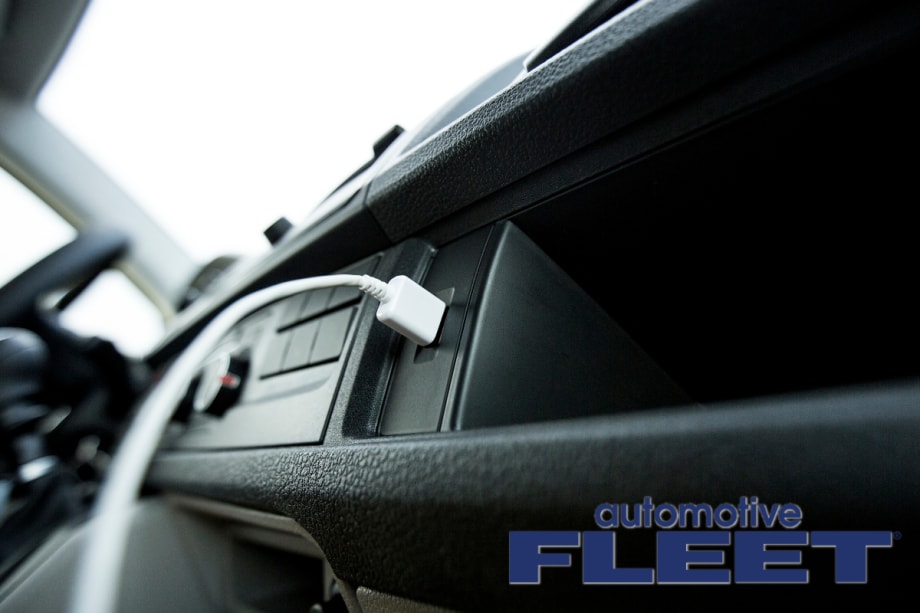
According to the study, users are experiencing several problems with smartphone charging, including phone overheating.
Photo: Canva
5 min to read
J.D Power released a study that shows new vehicles are becoming more problematic, evidenced by the number of problems per 100 vehicles (PP100) rising a record 30 PP100 during the past two years.
According to the J.D. Power 2023 U.S. Initial Quality Study (IQS), the rise in problems is 12 PP100 greater than in 2022, which follows an increase of 18 PP100 in 2022 from 2021.
In 2023, the industry average is 192 PP100. A lower score reflects higher vehicle quality.
The continuing decline in quality can be attributed to multiple factors such as greater usage and penetration of technology; continued integration of known problematic audio systems into other new models; poor sounding horns; cupholders that don’t serve their purpose; and new models with 11 PP100 more than carryover models.
“The automotive industry is facing a wide range of quality problems, a phenomenon not seen in the 37-year history of the IQS,” said Frank Hanley, senior director of auto benchmarking at J.D. Power. "The industry is at a major crossroads and the path each manufacturer chooses is paramount for its future. From persistent problems carrying over from years past to an increase in new types of problems, today’s new vehicles are more complex—offering new and exciting technology—but not always satisfying owners.”
The U.S. Initial Quality Study is based on a 223-question battery organized into nine vehicle categories.
Key Findings of the 2023 Study
Vehicle basic—door handles—are increasingly problematic: Opening a door was once a non-discussion point—an aspect of a vehicle that had been examined, engineered, and mastered. The basic touch point of door handles is now a percolating problem area as manufacturers attempt to redesign them. Owners are having issues with high-tech approaches to this basic function; seven of the 10 most problematic models in this area are battery electric vehicles (BEVs).
Safety systems causing problems: More than three-fourths (80%) of owners say their new vehicle includes all four of the primary driver assistance features—forward collision warning; lane-keeping assistance; lane departure warning; and blind spot warning.
However, problems owners encounter in the driver assistance category have increased by 1.8 PP100 year over year. The most problematic areas are lane departure warning/lane keeping assistance (7.2 PP100) and forward collision warning/automatic emergency braking (5.0 PP100) for those that have these features.
Owners increasingly happier with apps: Manufacturer smartphone apps improve by 0.4 PP100 this year as the market penetration rate grows to 76%. BEV owners in particular use their app at least 68% of the time, primarily to monitor the charging process and to view their vehicle’s available range. The higher usage and unique BEV use cases translate to more problems experienced using the app in comparison to those with an internal combustion engine vehicle.
Android Automotive Operating System (AAOS) issues: A 21.5 PP100 gap exists between vehicles that have an Android Automotive OS without Google Automotive Services (51.1 PP100) and those vehicles that don’t have this system (29.6 PP100). This is only for the operating system for in-vehicle infotainment, not for the smartphone mirroring systems of Android Auto or Apple CarPlay.
Smartphone charging becomes the most deteriorated problem: Across all 223 problems measured in the study, the wireless charging pad not working properly has increased by a sizable 1.1 PP100 and is driven by both increased penetration and more usability issues with the technology. Users are experiencing several problems, including poor location; phone overheating; and intermittent charging, if at all.
Biggest movers and shakers: Brands that show the largest year-over-year improvement are Maserati (73 PP100 improvement), Alfa Romeo (68 PP100 improvement), and Ram (45 PP100 improvement).
Unofficially ranked automakers fill bottom spots: Tesla Motors, with 257 PP100, increases 31 PP100 year over year, while Polestar (313 PP100) improves 15 PP100 year over year.
Lucid Motors (340 PP100) and Rivian Motors (282 PP100) are included in the industry calculations for the first time but have too small a sample size to be award eligible. These automakers are not officially ranked amongst other brands in the study as they do not meet ranking criteria.
Unlike other manufacturers, they do not grant J.D. Power permission to survey its owners in states where authorization is required. Nonetheless, a score was calculated based on a sample of surveys from owners in other states.
Dodge Among Highest-Ranking Brands, Models
Dodge is the highest-ranking brand overall in initial quality with a score of 140 PP100. Among mass-market brands, Ram (141 PP100) ranks second, and Buick (162 PP100) ranks third.
Among premium brands, Alfa Romeo ranks highest with a score of 143 PP100. Porsche (167 PP100) ranks second and Cadillac (170 PP100) ranks third.
The parent corporation receiving the most model-level awards is General Motors Company (seven awards), followed by Hyundai Motor Group (five) and Toyota Motor Corporation (four). Among brands, Chevrolet and Kia receive the most segment awards (four).
General Motors Company models that rank highest in their respective segments are Buick Encore GX, Cadillac Escalade, Cadillac XT6, Chevrolet Camaro, Chevrolet Corvette, Chevrolet Equinox, and Chevrolet Tahoe.
Hyundai Motor Group models that rank highest in their respective segments are Genesis G80, Kia Carnival, Kia Forte, Kia Rio, and Kia Stinger.
Toyota Motor Corporation models that rank highest in their respective segments are Lexus GX, Lexus IS, Toyota Camry, and Toyota 4Runner.
Nissan Motor Co. has the highest-ranking model overall, the Nissan Maxima with 106 PP100, and the Nissan Murano ranks highest in its respective segment.
More Vehicle Research
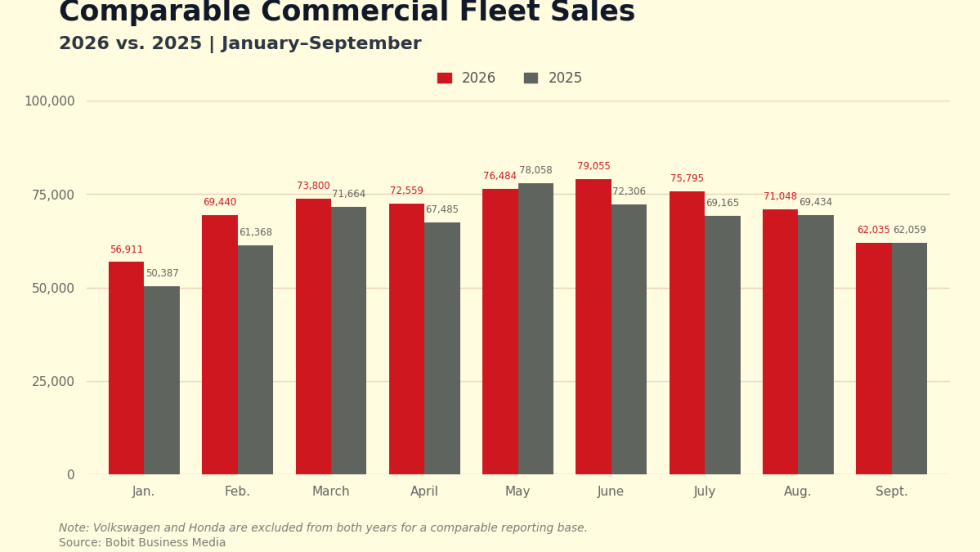
Commercial Fleet Sales Rise 5.8% Through September 2026
September commercial fleet sales were essentially unchanged from a year earlier, slowing year-to-date growth while keeping volume ahead of 2025.
Read More →
Hall of Fame Inductee: John Dmochowsky
The longtime Mondelēz International fleet executive joins the Automotive Fleet Hall of Fame.
Read More →
Hall of Fame Inductee: Lee Miller
After more than four decades at Boehringer Ingelheim, Lee Miller leaves a legacy built on fleet expertise.
Read More →
Hall of Fame Inductee: Mark F. Petersen
From managing fleets of thousands of vehicles to advancing safety and mentoring fellow professionals, Mark F. Petersen made his mark across both the corporate and supplier sides of fleet.
Read More →
When Charger Downtime Becomes a Fleet Availability Problem
As EV deployments move beyond pilot programs, charger reliability can directly affect vehicle readiness, driver productivity and route scheduling.
Read More →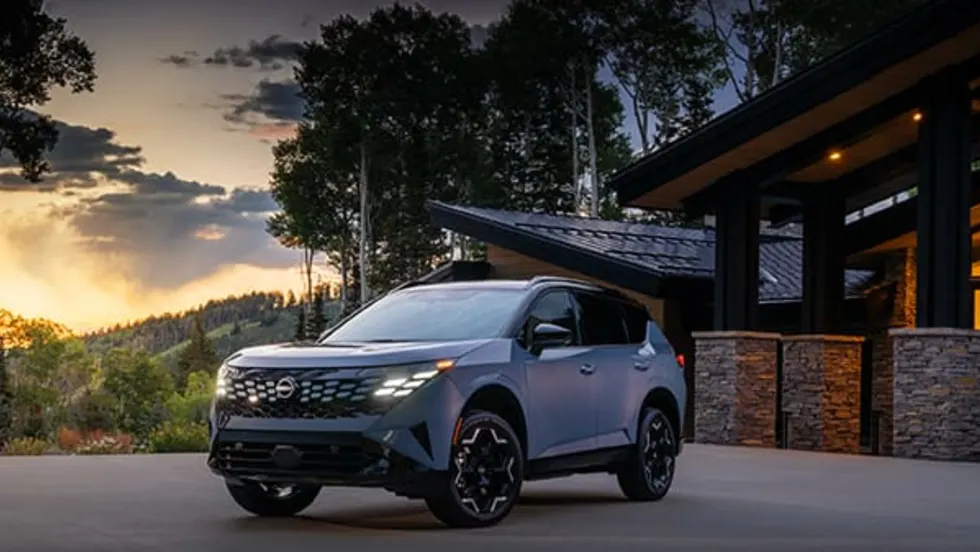
2027 Nissan Rogue Hybrid Adds e-POWER, Standard AWD
The new Rogue Hybrid uses Nissan’s e-POWER system with dual electric motors, offers an estimated 40 mpg and starts at $35,490.
Read More →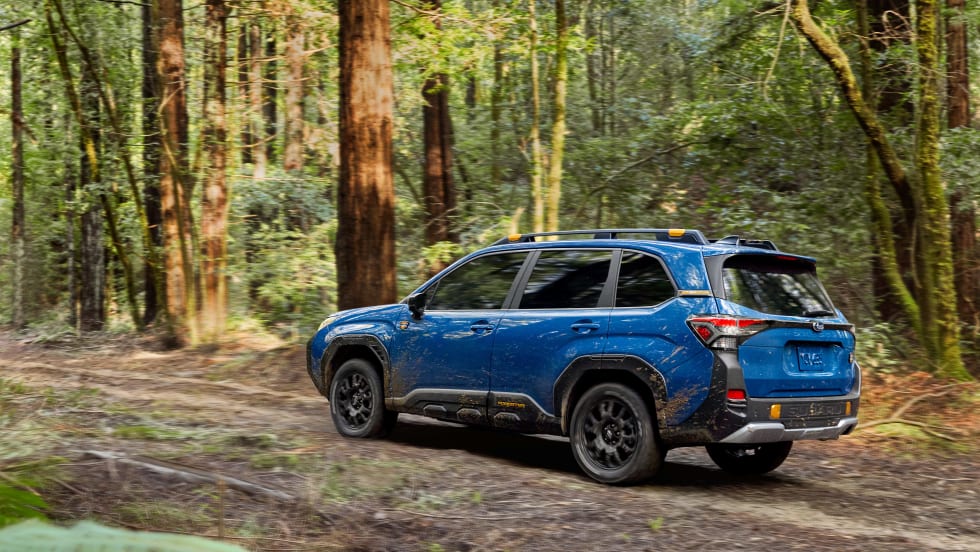
2027 Subaru Forester Adds First Wilderness Hybrid
The 2027 Forester lineup starts at $29,995 and adds a Wilderness Hybrid with 194 combined horsepower and 9.3 inches of ground clearance.
Read More →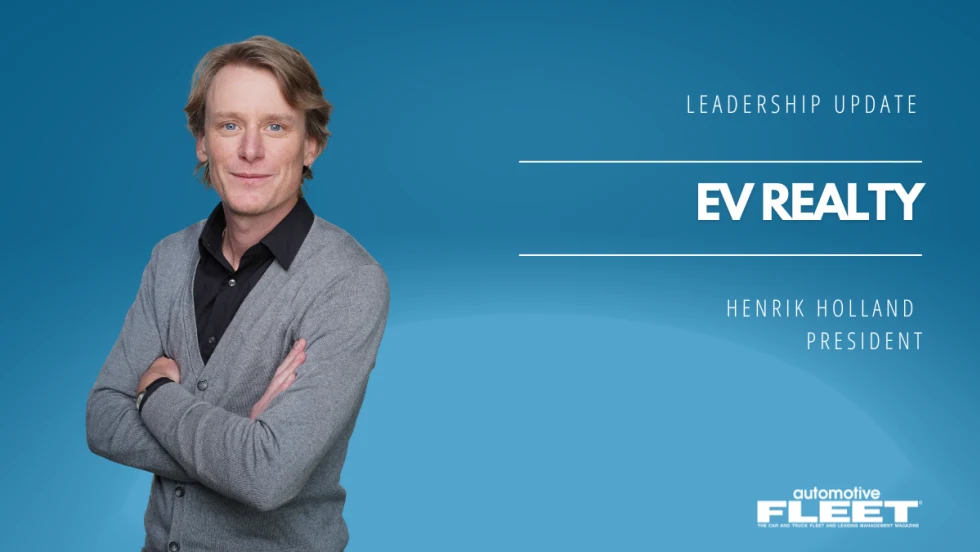
EV Realty Names Henrik Holland President as Charging Platform Expands
The former Prologis Mobility and Shell executive will help expand EV Realty’s truck charging business and move its power-first infrastructure model into autonomous vehicle depots and other fleet sectors.
Read More →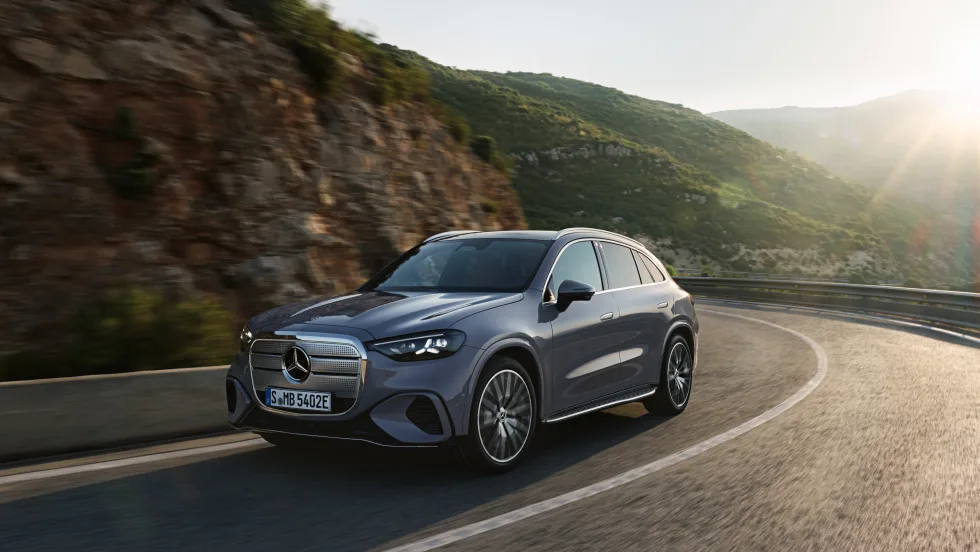
Mercedes-Benz Introduces Electric GLC With Up to 350 Miles of Range
The GLC 400 4MATIC Electric features an 800-volt architecture, 330-kW DC fast charging and a 94-kWh battery, along with Mercedes-Benz's new MB.OS operating system.
Read More →
Fleet Has a Talent Pipeline Problem, not a Talent Problem
Where will the next generation of fleet leaders come from, and what does the industry need to do differently to find them?
Read More →