




Wheels Introduces Vehicle Replacement Optimization Application
Wheels, Inc. announced on Oct. 27, 2003, the availability of its first-in-the-industry Vehicle Replacement Optimization application.
Wheels, Inc. announced on Oct. 27, 2003, the availability of its first-in-the-industry Vehicle Replacement Optimization application. The automated tool takes a unique approach to the replacement cycle by analyzing vehicles on an individual basis. Depending on fleet size, replacing a vehicle at the wrong time can cost over a thousand dollars per vehicle in depreciation costs.
“Historically, fleet management companies make the generic recommendation that fleet vehicles be replaced in the fall or spring, with the fall bearing the bulk of the volume. But because vehicle values change so rapidly in the fall, it can make an enormous difference when a given vehicle reaches the market during that season,” said Darrin Aiken, assistant vice president of remarketing for Wheels. “Telling a client to replace in the fall is helpful, but Wheels can now provide a far more precise forecast about when that turnover should occur.” The replacement tool analyzes each vehicle individually and determines whether or not it is best to replace a vehicle now or push it off to the next order cycle.
The Vehicle Replacement Optimization tool is included as a component to FleetView®, Wheels’ web-based solution that allows fleet managers to quickly accomplish a variety of tasks online, ranging from tracking expenses to reviewing maintenance records and examining driver profiles. Vehicle Replacement Optimization helps manage a client’s total lifecycle cost at the vehicle level by analyzing a variety of factors, including the expected retail market, vehicle model, odometer, monthly mileage and downtime expenses. It recommends the best four week period to replace a specific vehicle. The software also calculates the total predicted savings realized when a fleet manager follows the optimization schedule. Finally, the application produces a replacement report complete with recommended order dates to support the recommended replacement time.
When the tool opens, fleet managers have the opportunity to review their current policies and other criteria affecting the analyses. For example, a fleet may have a blanket policy of replacing a vehicle once it reaches 36 months or 60,000 miles, and its manager may know that driver downtime costs the company about $550 per occurrence. The search results display vehicles recommended for replacement and identify the month to replace each vehicle for optimum resale, as well as potential cost impact per vehicle and overall savings. The flexibility of the application allows fleet managers to make adjustments to their policies, residual rates and other factors, and recalculate the effects.
Managing depreciation, the most significant vehicle-related expense for companies with fleets, is key to controlling costs. “While managing replacement on a vehicle-by-vehicle basis is the best way to control depreciation and maximize savings, most fleet managers do not have the time or resources to do so,” said Stratford Dick, Wheels’ director of e-commerce. “The Vehicle Replacement Optimization tool, offered through our FleetView system, allows clients to easily and automatically make decisions that can result in savings of several hundred dollars per vehicle, and sometimes thousands.”
More Operations
How to Manage Conflict for Your Fleet Operations
Conflict management is becoming a core leadership skill. Here are five strategies fleet leaders should know.
Read More →
Turning Connected Vehicle Data Into Decisions That Matter
Fleet leaders have more data than ever, but turning that data into clear, actionable decisions remains a challenge. This white paper shows how leading organizations are using connected vehicle data to improve safety, reduce costs, and optimize fleet performance. Learn how to turn insight into action across your fleet.
Read More →
Cameras, Safety and Insurance: From Reactive Claims to Real-time Prevention
Commercial auto remains one of the most challenging and costly lines of coverage for fleet operators and insurers alike. Learn more about how to effectively address these issues from Onur Aksan, Enterprise Business Development Executive, Geotab.
Read More →

Are You Tracking Your Fleet's True Total Cost of Ownership?
Bobit Business Media surveyed 190 fleet professionals and found that while most fleets are tracking costs, fragmented systems and data gaps are keeping true TCO visibility out of reach. With rising pressure to control spend in an increasingly volatile environment, the gap between what fleets think they know and what the data actually shows is wider than you might expect. See how your peers are managing costs today and where the industry still has room to improve.
Read More →
Turn Fleet Data Into Smarter Decisions
Fleet leaders have access to more operational data than ever, but disconnected systems and unclear metrics often slow decision-making instead of improving it. This article outlines five practical steps fleets can take to transform fragmented data into actionable insights that improve planning, safety, utilization, and long-term performance.
Read More →
Hybrids: Electrification Without the Challenges
For fleet managers, fuel is one of the biggest line items in the budget — and it's one hybrids can shrink without changing how your people work. Download the eBook to see the numbers, understand the technology, and get a step-by-step guide to making the switch.
Read More →
How NOV Uses Telematics to Improve Fleet Safety Across 160 Locations
James Victory of NOV discusses how the company manages fleet safety, maintenance, and telematics across more than 150 locations supporting oilfield operations throughout the U.S.
Read More →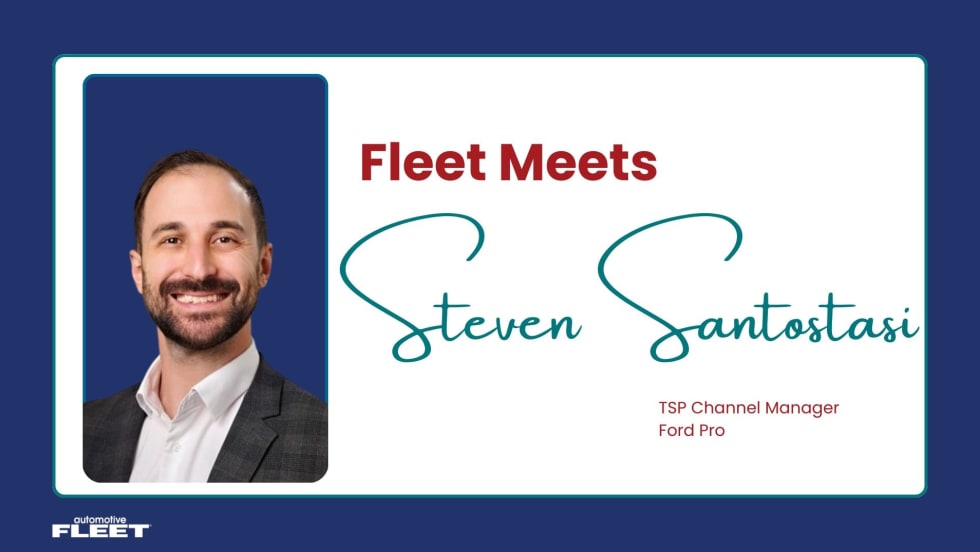
Fleet Meets: Steven Santostasi
This edition of the Fleet Meets series features Steven Santostasi, the current TSP channel manager for Ford Pro.
Read More →
Why Fleet Managers Are Replacing Departmental Vehicles with Shared Motor Pools
Departmentally assigned vehicles often create hidden costs through underutilization, poor visibility, and increased administrative burden. This white paper explores how shared motor pool strategies help fleets reduce costs, improve accountability, and optimize vehicle utilization.
Read More →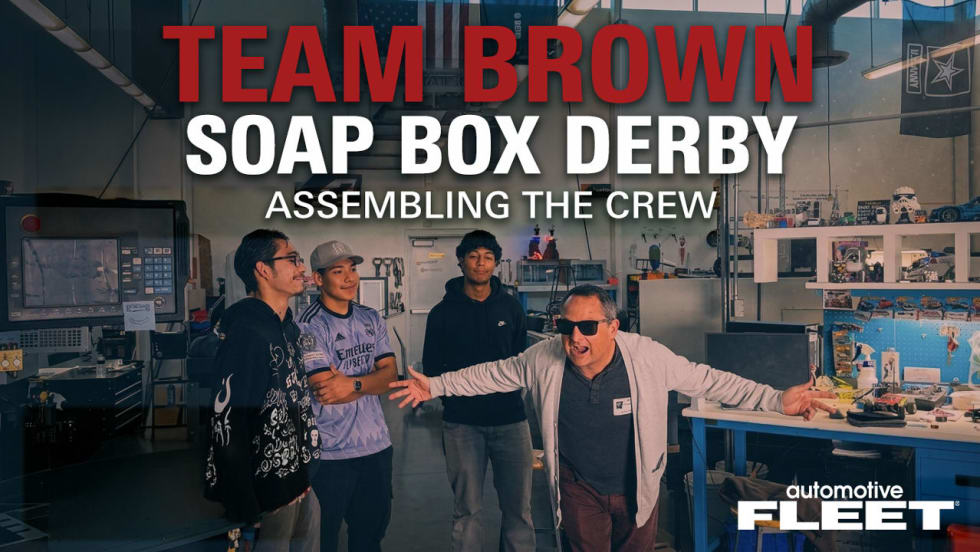
Soap Box Derby Challenge: Assembling the Crew
Meet Gabriel, Matthew, and Angel — the team helping bring this soap box derby build to life.
Read More →