




Westport, India's Tata Motors Develop Natural Gas Engine
Westport Innovations and India’s Tata Motors Limited have launched a new spark-ignited (SI) natural gas 3.8L turbocharged engine featuring the Westport WP580 Engine Management System (EMS).
Westport Innovations and India’s Tata Motors Limited have launched a new spark-ignited (SI) natural gas 3.8L turbocharged engine featuring the Westport WP580 Engine Management System (EMS). Designed to support many engine configurations, the Westport WP580 EMS is also scheduled to be applied to Tata's 5.7L engine targeting medium-duty applications in late 2014.
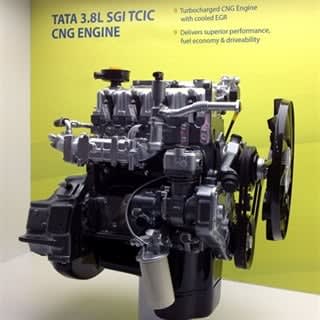
Tata 3.8L natural gas engine featuring Westport WP580 Engine Management System. (CNW Group/Westport Innovations Inc.)
"By combining our unique technology and Tata's leadership in India's commercial vehicles market, we are able to introduce new natural gas products and target the mainstream transportation markets in one of the world's fastest growing markets for natural gas vehicles," said Thomas Rippon, executive vice president of Westport. "The Westport WP580 offers breakthrough price, performance, and flexibility for OEMs allowing them to use this advanced technology even in cost-effective markets such as China and India."
The Westport WP580 EMS is a highly configurable system that has been specifically developed for spark ignited, dedicated natural gas engine applications and can be integrated with a wide range of proprietary Westport fuel system components for flexible vehicle design and production, according to the companies. Its advanced combustion control technology can optimize the engine for class leading fuel economy, torque, and power while meeting existing and future emissions and onboard diagnostic requirements. Westport has also set a new benchmark with the WP580, with industry leading price performance and value, allowing natural gas vehicles to be competitively priced with petroleum-based vehicles.
Key features of the Westport WP580 EMS include:
Unique engine control strategies: The Westport WP580 EMS is specifically tailored to maximize the performance of the base engine. Key benefits include reduced fuel consumption and emissions, increased vehicle load carrying capabilities with launch torque, and integrated vehicle functionality.
Compatible and cost-effective design with natural gas components: With proven OEM track record, these natural gas components such as electronic control units and spark plugs have been fully validated for the application and manufactured to automotive industry quality standards resulting in high levels of reliability and lower cost.
Meeting current and future emissions profile: The system is designed to meet Euro VI emission standards.
More Green Fleet
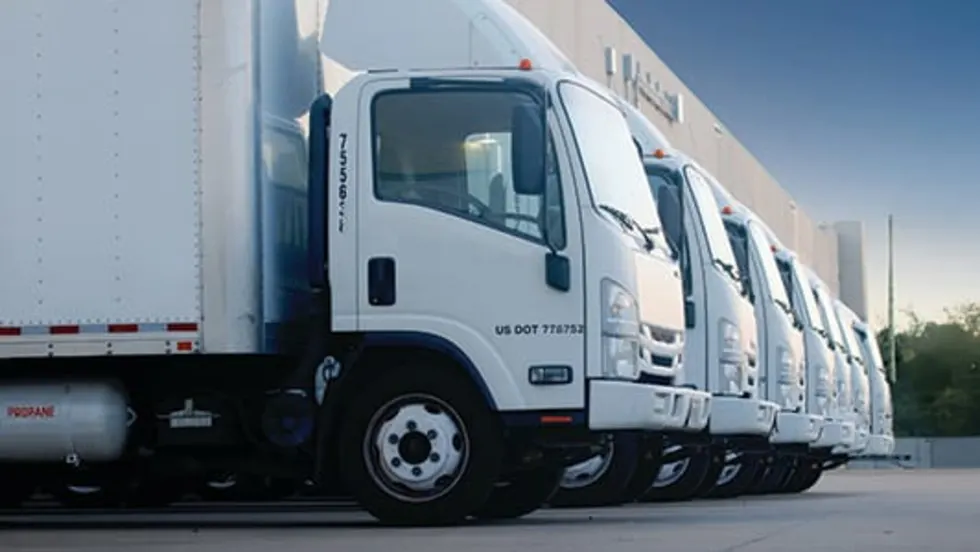
New Propane Autogas Program Offers Fleet Compensation
Qualified commercial fleets can receive $7,500 per eligible propane autogas vehicle and up to $10,000 for new refueling site prep. Learn how the program works and see whether your fleet qualifies.
Read More →
EV Charging Use Is Outpacing Infrastructure Growth
ChargePoint’s 2026 Charging Forward Report points to rising charger use, higher-powered charging, commercial vehicle electrification, and energy-management technology. Here’s what fleets should know.
Read More →
Merchants Fleet Reports 290M EV Miles as Fleets Navigate Changing Electrification Market
From millions in operating savings to hundreds of millions of EV miles, Merchants Fleet’s latest report reveals what’s working and what’s changing in fleet electrification.
Read More →
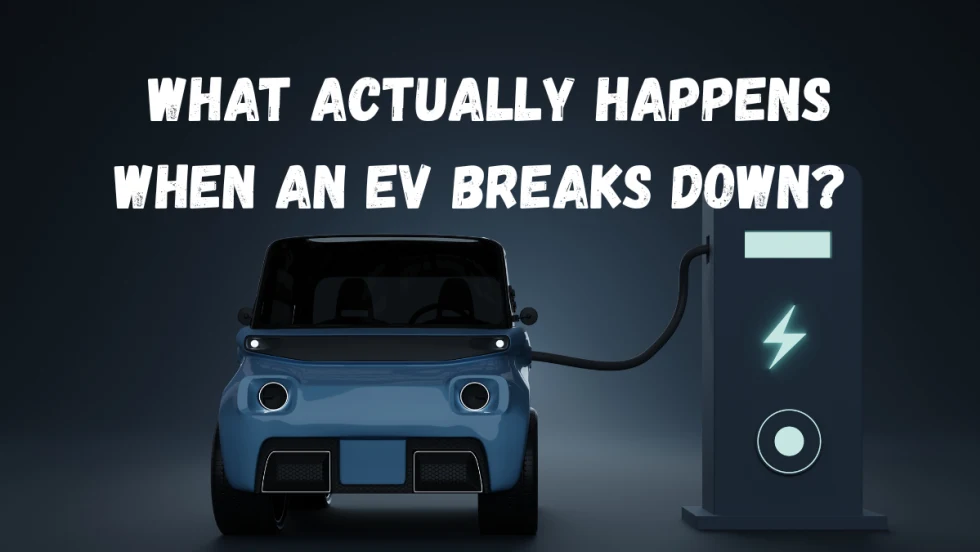
The EV Breakdown Nobody's Talking About: Why Most Electric Vehicle Roadside Calls Aren't Mechanical Failures
Here's why EV breakdowns are widely misunderstood.
Read More →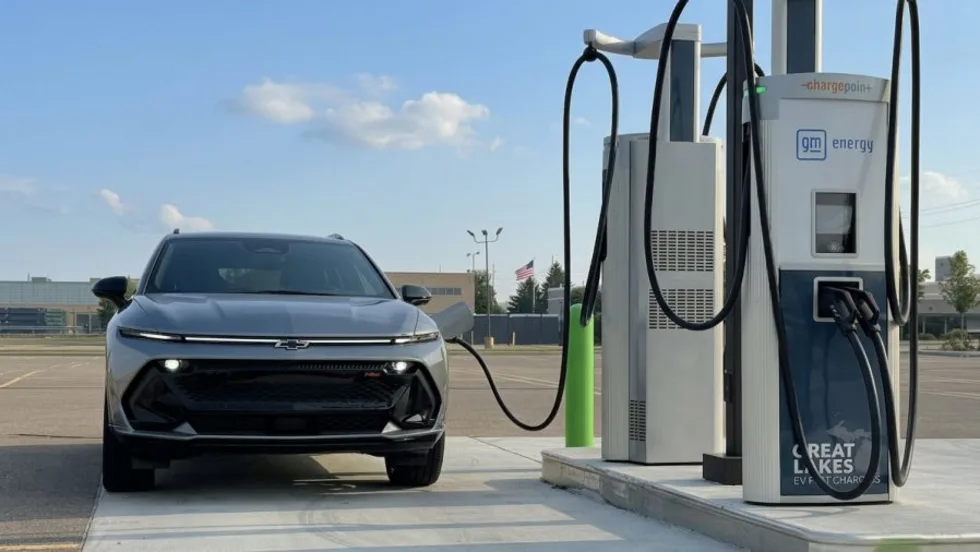
ChargePoint Now Available in Energy Pass
ChargePoint and additional planned charging network integrations were added to GM's Energy Pass.
Read More →
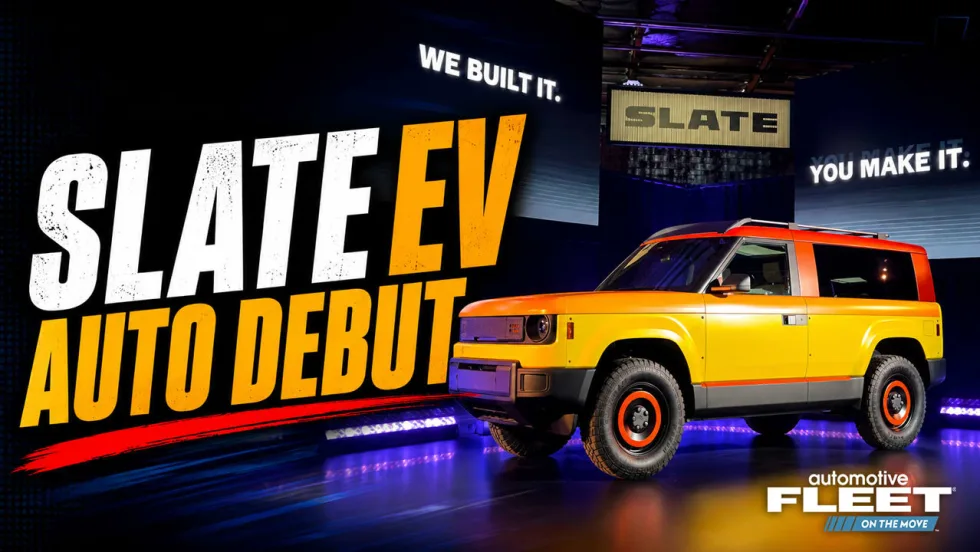
First Look: Slate Auto's Electric Fleet Pickup
Could an affordable, modular EV pickup make electrification more practical for fleets?
Read More →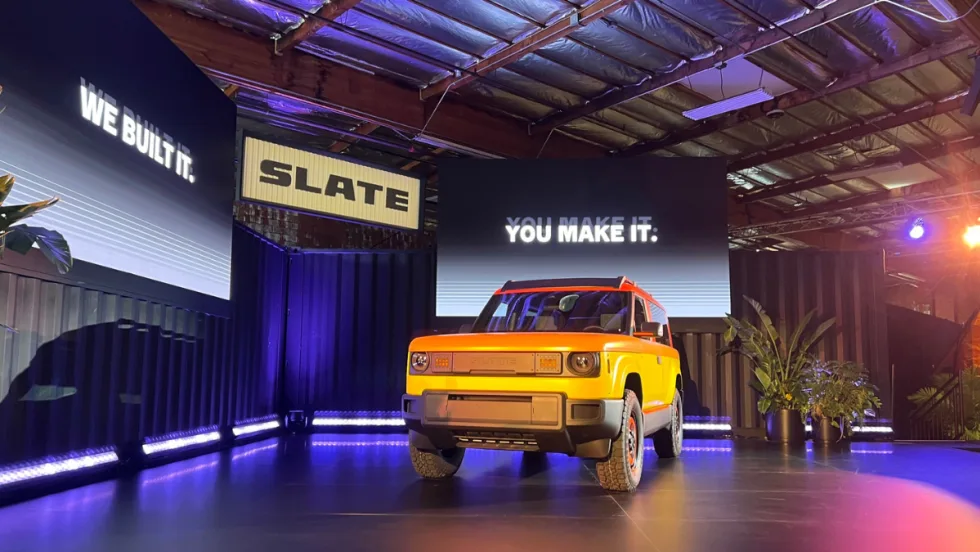
Slate Debuts Colorful, Unique EV Models
A recent media and client event, studded with electric vehicles dressed up on platforms, planted a new position for the manufacturer in the wider EV market. Fleets will find cost-saving advantages.
Read More →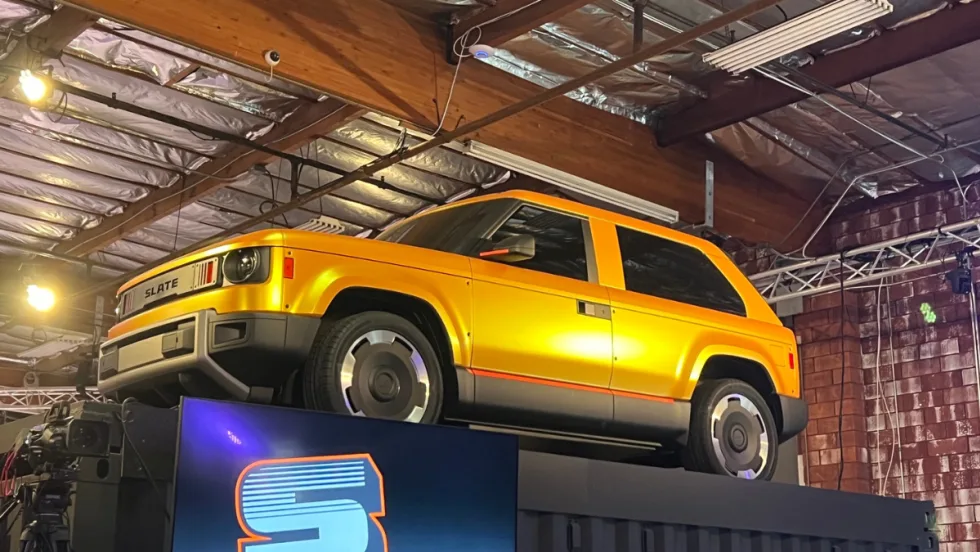
Slate Electric SUV, Pickup Switchable Model Aims For Light-Duty Fleets
Everything about this EV is counterintuitive and understated, making it stand out from the crowd.
Read More →
Inspiration Mobility Acquires Key Electrada Assets
Inspiration Mobility Group has acquired select assets of Electrada, adding the fleet electrification provider's team, technology, and charging infrastructure development capabilities to its energy management business.
Read More →