




Weights and Measures Conference Fails to OK LNG Standard
After regulators failed to agree to a nationally recognized, gallon-equivalent measure for sales of liquefied natural gas, fleets that rely on LNG-fueled vehicles will continue to face a state-by-state patchwork of standards for at least one more year.
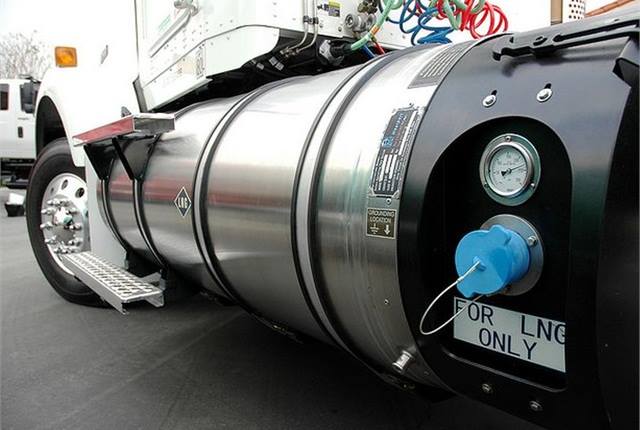
Photo via TruckPR/Flickr.
After regulators failed to agree to a nationally recognized, gallon-equivalent measure for sales of liquefied natural gas, fleets that rely on LNG-fueled vehicles will continue to face a state-by-state patchwork of standards for at least one more year.
Meeting in Detroit earlier this month, the National Conference on Weights and Measures failed to agree to a proposal that would set the amount of LNG that provides the same amount of power as one gallon of diesel fuel.
The Diesel Gallon Equivalent (DGE) standard needed approval from two panels of the conference, which is made up of state regulators, to take effect. While one of the panels agreed with the proposal, the other did not, sending it back to the regional level for more work, reports the Houston Chronicle.
CNG has been priced for two decades in a method that converts 5.66 pounds of gas to 1 gallon of gasoline, allowing an easy cost comparison as well as using terms that drivers are used to seeing. The Gasoline Gallon Equivalent (GGE) figure allowed for easy comparison, although some delegates at the meeting in Detroit expressed an interest in adjusting that figure as well.
Without the national standard, retailers are allowed to use a DGE or GGE price when selling LNG — as they do now — but consumers will find they get a slightly different amount of fuel state-by-state, said Kathryn Clay, vice president for policy strategy at the American Gas Association.
More Green Fleet

EV Charging Use Is Outpacing Infrastructure Growth
ChargePoint’s 2026 Charging Forward Report points to rising charger use, higher-powered charging, commercial vehicle electrification, and energy-management technology. Here’s what fleets should know.
Read More →
Merchants Fleet Reports 290M EV Miles as Fleets Navigate Changing Electrification Market
From millions in operating savings to hundreds of millions of EV miles, Merchants Fleet’s latest report reveals what’s working and what’s changing in fleet electrification.
Read More →
The EV Breakdown Nobody's Talking About: Why Most Electric Vehicle Roadside Calls Aren't Mechanical Failures
Here's why EV breakdowns are widely misunderstood.
Read More →
ChargePoint Now Available in Energy Pass
ChargePoint and additional planned charging network integrations were added to GM's Energy Pass.
Read More →

First Look: Slate Auto's Electric Fleet Pickup
Could an affordable, modular EV pickup make electrification more practical for fleets?
Read More →
Slate Debuts Colorful, Unique EV Models
A recent media and client event, studded with electric vehicles dressed up on platforms, planted a new position for the manufacturer in the wider EV market. Fleets will find cost-saving advantages.
Read More →
Slate Electric SUV, Pickup Switchable Model Aims For Light-Duty Fleets
Everything about this EV is counterintuitive and understated, making it stand out from the crowd.
Read More →
Inspiration Mobility Acquires Key Electrada Assets
Inspiration Mobility Group has acquired select assets of Electrada, adding the fleet electrification provider's team, technology, and charging infrastructure development capabilities to its energy management business.
Read More →
Turning Connected Vehicle Data Into Decisions That Matter
Fleet leaders have more data than ever, but turning that data into clear, actionable decisions remains a challenge. This white paper shows how leading organizations are using connected vehicle data to improve safety, reduce costs, and optimize fleet performance. Learn how to turn insight into action across your fleet.
Read More →