




Volvo's City Safety Cutting Rear-End Crashes, Injuries
Volvo's City Safety low-speed collision avoidance system reduced rear-end crashes by 41% and third-party injuries by 48% in a study by the Insurance Institute for Highway Safety (IIHS).

Photo courtesy of Volvo.

Photo courtesy of Volvo.
Volvo's City Safety low-speed collision avoidance system reduced rear-end crashes by 41% and third-party injuries by 48% in a study by the Insurance Institute for Highway Safety (IIHS).
The system also reduced injuries to occupants by 47%, according to the study.
The institute studied the system on 2011-2012 S60 sedans and 2010-2012 XC60 luxury SUVs. City Safety became standard on Volvo models with the 2014 model year.
Volvo introduced the second generation of City Safety in 2012 with the V40 wagon.
City Safety is an automatic emergency braking system that's the centerpiece of Volvo's Vision 2020 plan that no one should be killed or seriously injured in a new Volvo by that year.
Volvo has been improving the system by adding intersection autobrake to the 2016 XC90 and large animal detection with autobrake with the 2017 S90 sedan.
More Operations

ADAS Prevents Crashes. But Repairs Cost More | AF News Recap
ADAS-equipped vehicles may crash less often, but they can cost more when they do. This week, we’re breaking down what that tradeoff means for fleets, plus Subaru’s first Forester Wilderness Hybrid, Nissan’s new e-POWER Rogue, and why Calstart has become Catalyst Mobility.
Read More →
Moventum Fleet Management Names Mark Iorillo Head of Sales
Iorillo brings nearly 20 years of fleet management and sales experience to the role, including previous positions at Element Fleet Management, CEI, Donlen and Ryder.
Read More →
Fleet Has a Talent Pipeline Problem. What Comes Next? | AF News Recap
Where will fleet’s next generation of leaders come from? This week, we’re looking at the industry’s talent pipeline, what certification can add to a fleet career, how to build an award-worthy track record, and the return of Automotive Fleet’s Personal Use Survey.
Read More →
Smith System Launches Driver Risk Management Program
Fleets have more driver data than ever, but identifying risky behavior doesn't necessarily correct it. Smith System's new Driver Risk Management program combines monitoring, training, and follow-up coaching to help fleets connect risk signals with driver intervention.
Read More →
Automotive Fleet Opens 2026 Personal Use Survey for Commercial Fleet Managers
Less than two weeks left! Commercial and corporate fleet managers are invited to share how their organizations handle company vehicle personal-use policies, charges, and driver eligibility.
Read More →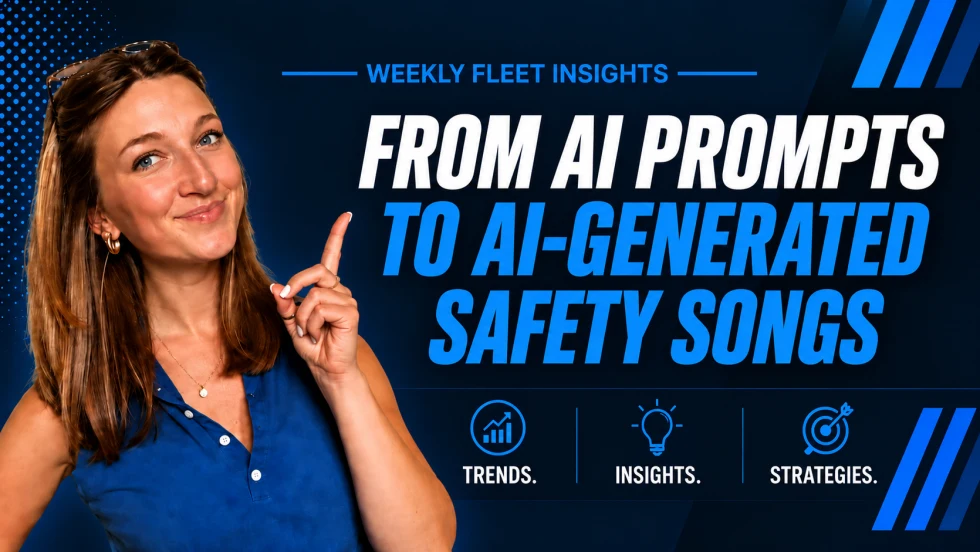
From AI Prompts to AI-Generated Safety Songs | AF News Recap
Can better prompts make AI more useful for fleet managers? This week, we’re breaking down smarter fleet analysis, an AI-assisted experiment that turned safety training into music, and what happened to fuel prices in August.
Read More →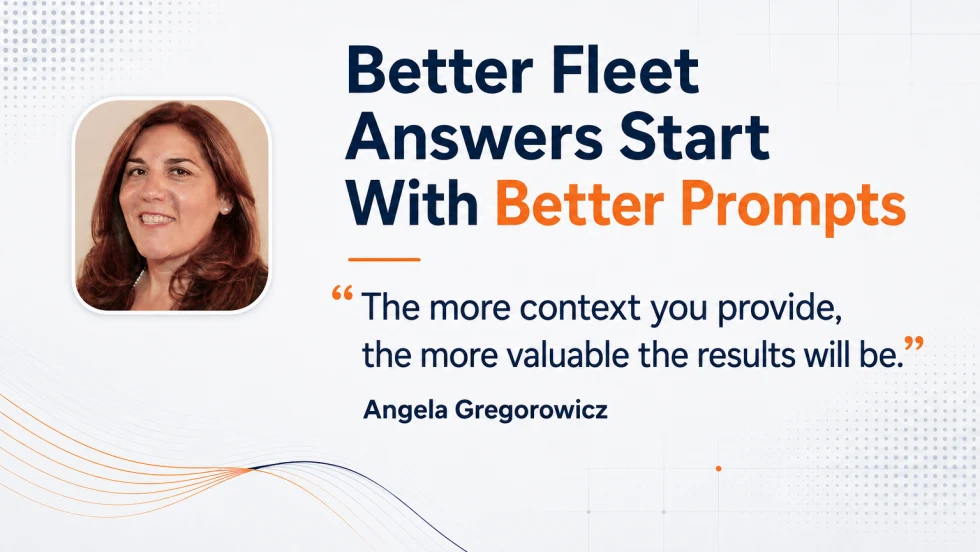
How to Write Better AI Prompts for Fleet Analysis
Include these six elements in your fleet prompts to generate more relevant analysis and accurate answers.
Read More →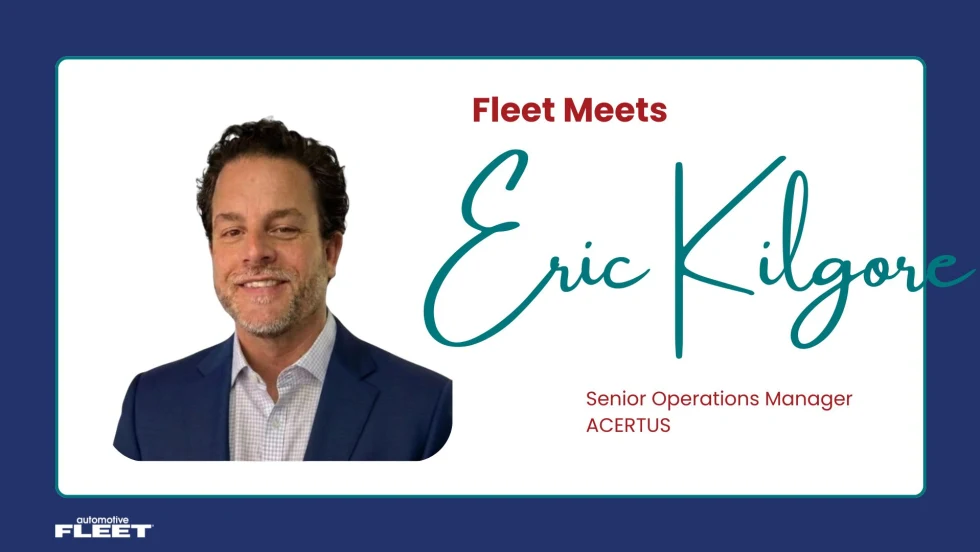
Fleet Meets: Eric Kilgore
This edition of the Fleet Meets series features one of the industry's best leaders driving multi-market and national operations.
Read More →
Why Reactive Fleet Management Is Becoming Too Expensive to Sustain
Research highlights a growing need for proactive management strategies to address rising costs in fleet operations effectively.
Read More →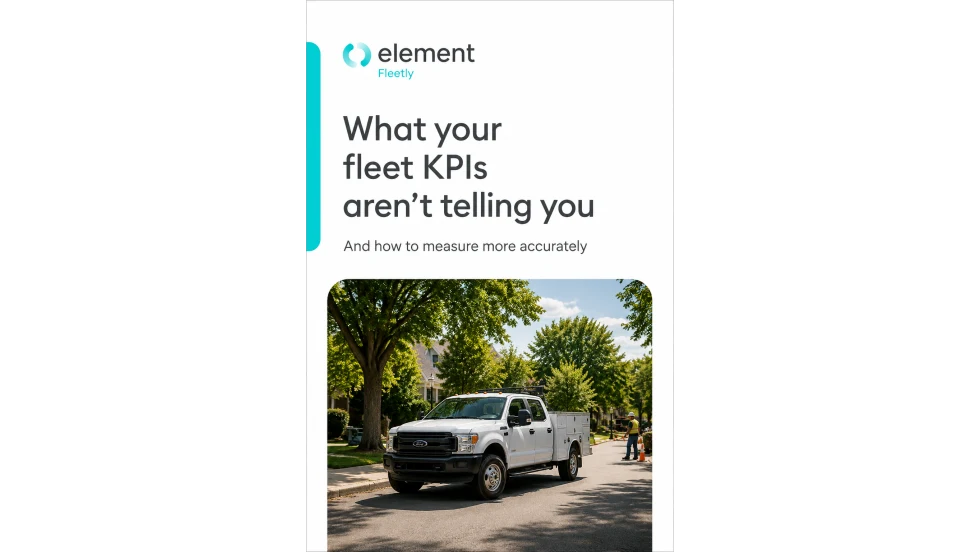
What Your Fleet KPIs Aren’t Telling You
Tracking fleet metrics is only useful when the data leads to better decisions. This guide helps fleet leaders assess cost, utilization, and downtime more accurately, identify performance gaps, and prioritize the actions that can improve operational results.
Read More →