




Volvo Trucks to Introduce New Methane-Diesel Truck
GOTEBORG, SWEDEN – Volvo Trucks said it began accepting orders for its new Volvo FM MethaneDiesel truck on May 31 from customers in Europe. The truck runs on liquefied methane gas and diesel, and is suited for long and heavy transport applications.
GOTEBORG, SWEDEN – Volvo Trucks said it began accepting orders for its new Volvo FM MethaneDiesel truck on May 31 from customers in Europe. The truck runs on liquefied methane gas and diesel, and is suited for long and heavy transport applications.
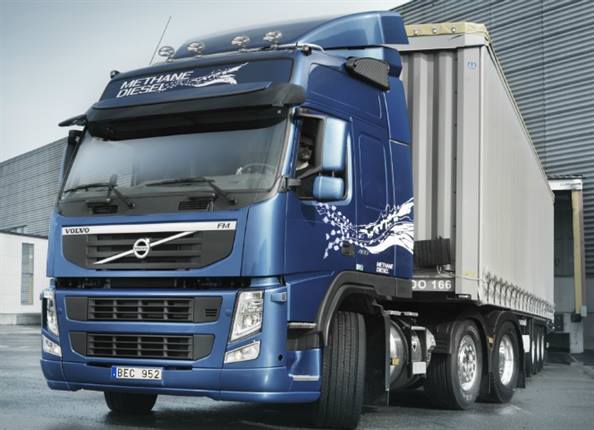
Volvo FM MethaneDiesel truck
Limited series production of the truck will get under way in August. This year Volvo expects to sell 100 methane-diesel trucks in Sweden, the U.K. and the Netherlands -- markets that offer high availability of liquefied gas. In 2012, the company expects to increase production to 400 trucks and expand sales to additional markets.
The new Volvo FM MethaneDiesel has a 13-liter engine producing 460 horsepower and 2300 Newton meters of torque. The fuel consists of up to 75 percent liquefied methane gas and the rest diesel, but this proportion may vary – depending on how the vehicle is used, Volvo Trucks said. Compared with conventional gas-powered engines where the fuel is ignited by spark plugs, the methane-diesel alternative offers 30 to 40 percent higher efficiency, which means that fuel consumption is cut by up to 25 percent.
In the past year, the truck has undergone testing by Swedish transport company Gotene Kyltransport.
"Our experiences from running on methane-diesel are excellent,” said Ulf Johansson, president of Götene Kyltransport. “This is definitely a solution for the future. If the price of gas is right, I expect that up to 80 percent of our truck fleet will consist of Volvo's methane-diesel trucks within the next five years."
Thanks to the use of diesel technology combined with liquefied gas power, Volvo's methane-diesel truck can considerably extend its operating range compared with a conventional compressed-gas truck powered by an engine using spark-plug technology, Volvo Trucks said.
From a purely technical viewpoint, the truck maker said, there are no major differences compared with a conventional diesel engine. The main difference is in the gas injectors, which are fitted on a plate between the inlet duct and the engine block. In addition, a Thermos-like fuel tank keeps the gas liquefied at a temperature of -140 degrees C under reasonable pressure. A special catalytic converter is another feature developed particularly for methane gas-powered engines. However, the basic engine itself is a diesel unit; operating reliability with gas power is the same as for diesel.
More Green Fleet

EV Charging Use Is Outpacing Infrastructure Growth
ChargePoint’s 2026 Charging Forward Report points to rising charger use, higher-powered charging, commercial vehicle electrification, and energy-management technology. Here’s what fleets should know.
Read More →
Merchants Fleet Reports 290M EV Miles as Fleets Navigate Changing Electrification Market
From millions in operating savings to hundreds of millions of EV miles, Merchants Fleet’s latest report reveals what’s working and what’s changing in fleet electrification.
Read More →
The EV Breakdown Nobody's Talking About: Why Most Electric Vehicle Roadside Calls Aren't Mechanical Failures
Here's why EV breakdowns are widely misunderstood.
Read More →
ChargePoint Now Available in Energy Pass
ChargePoint and additional planned charging network integrations were added to GM's Energy Pass.
Read More →
First Look: Slate Auto's Electric Fleet Pickup
Could an affordable, modular EV pickup make electrification more practical for fleets?
Read More →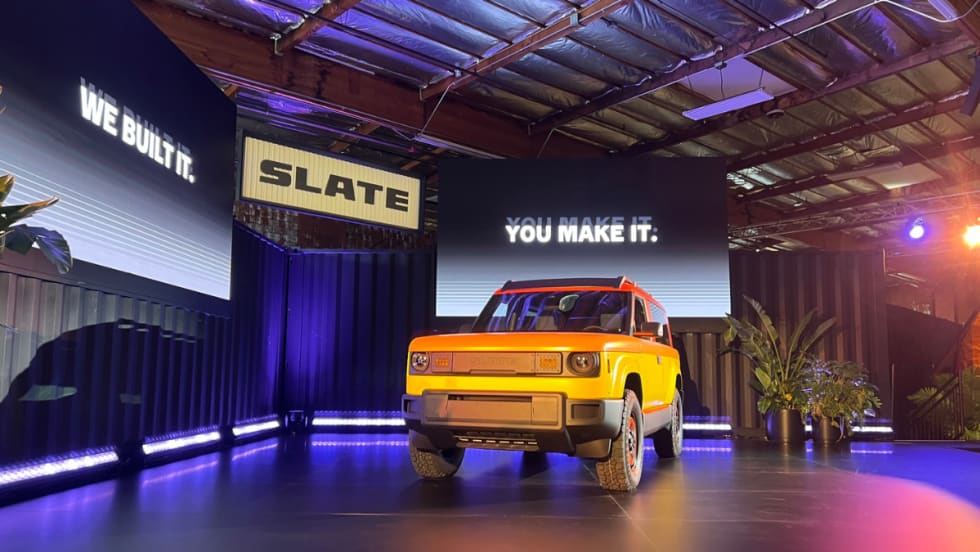
Slate Debuts Colorful, Unique EV Models
A recent media and client event, studded with electric vehicles dressed up on platforms, planted a new position for the manufacturer in the wider EV market. Fleets will find cost-saving advantages.
Read More →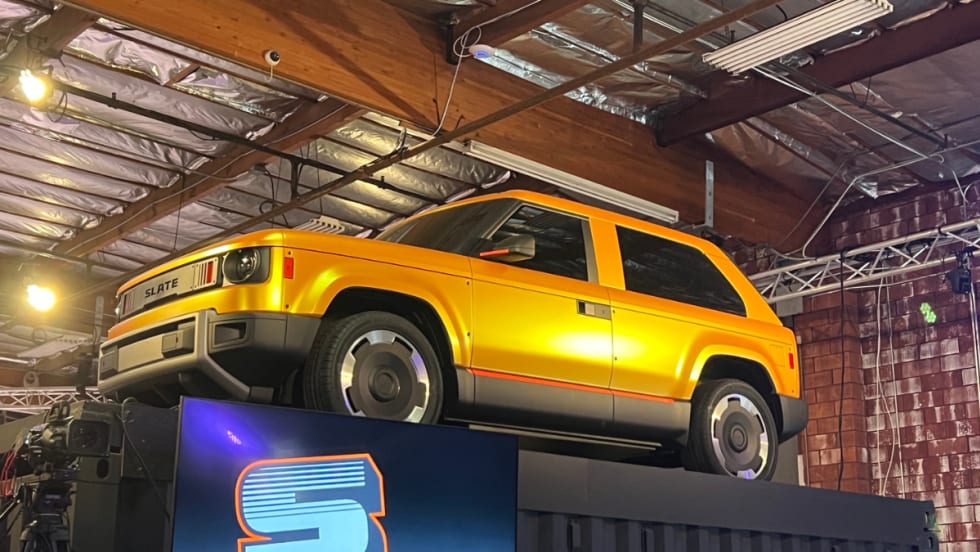
Slate Electric SUV, Pickup Switchable Model Aims For Light-Duty Fleets
Everything about this EV is counterintuitive and understated, making it stand out from the crowd.
Read More →
Inspiration Mobility Acquires Key Electrada Assets
Inspiration Mobility Group has acquired select assets of Electrada, adding the fleet electrification provider's team, technology, and charging infrastructure development capabilities to its energy management business.
Read More →
Turning Connected Vehicle Data Into Decisions That Matter
Fleet leaders have more data than ever, but turning that data into clear, actionable decisions remains a challenge. This white paper shows how leading organizations are using connected vehicle data to improve safety, reduce costs, and optimize fleet performance. Learn how to turn insight into action across your fleet.
Read More →