




Volvo Says New Drive-E Powertrains Will Offer 13-26 Percent Fuel-Efficiency Improvement
Volvo provided technical details about its new Drive-E powertrains, which represent a new direction for the company. Volvo focused on a mix of high-efficiency gasoline engines, and a diesel engine, designed to be compatible with future electric powertrain technologies.
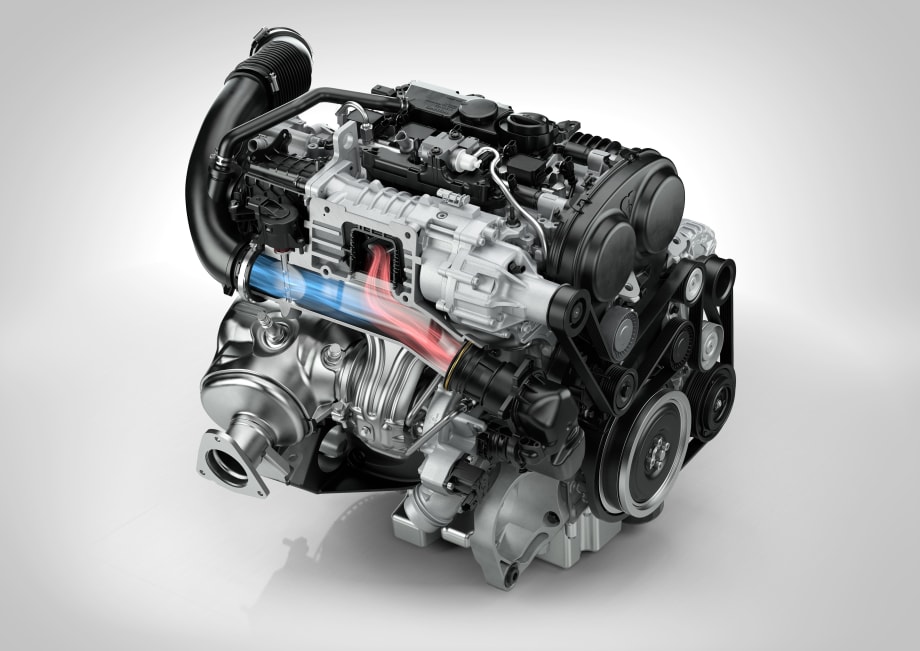
The new lineup of Drive-E engines from Volvo will include two gasoline models that will be available in the U.S. in future Volvo vehicles. Photo courtesy Volvo Cars.
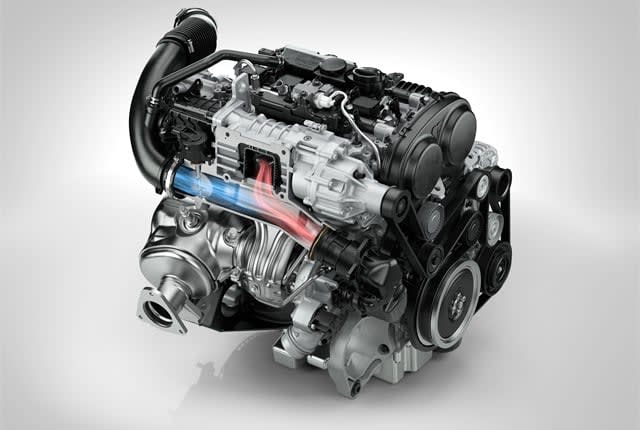
The new lineup of Drive-E engines from Volvo will include two gasoline models that will be available in the U.S. in future Volvo vehicles. Photo courtesy Volvo Cars.
Volvo provided technical details about its new Drive-E powertrains, which represent a new direction for the company. The new engine family features a mix of high-efficiency gasoline engines, and a diesel engine, designed to be compatible with future electric powertrain technologies, according to the automaker.
The new Drive-E engines, originally called Volvo Engine Architecture (VEA) by the automaker, are smaller, lighter (by 100 lbs. on the company’s higher performance engine), and improve fuel efficiency by 13 to 26 percent, Volvo stated. The automaker plans to release fuel economy number before vehicles with Drive E powertrains arrive in the market.
The Drive-E engine family consists of two four-cylinder gasoline engines, one common rail diesel engine, and one direct-injected gasoline engine. These engines will replace eight engine architectures on three platforms. The diesel and gasoline engines share the same architecture, Volvo stated.
For the U.S. market, Volvo plans to offer the T6 four-cylinder turbocharged and supercharged 2.0L 240 hp engine and the T5 four-cylinder 2.0L turbocharged 302 hp engine. The T6 can produce 295 lb.-ft. of torque and the T5 can produce 258 lb.-ft. of torque. Both engines are for front-wheel-drive models, according to the automaker.
The automaker doesn’t plan to discontinue all of its other powertrain offerings in the U.S. market and said it will offer its lineup of all-wheel-drive powertrains and the new Drive-E engines. Volvo does eventually plan to transition completely to the new engine lineup, though.
Some of the technologies the automaker is using in the new Drive-E engine family include start-stop and brake regeneration (all engines in the lineup feature these technologies); friction reduction through using ball bearings on the camshaft, high-speed continuous variable valve timing and intelligent heat management with a fully variable electric water pump; the use of turbocharging and supercharging; and an eight-speed transmission.
Lastly, Volvo said it built the engines so the automaker can easily connect them to electric drive components. For example, the integrated starter generator is built for this, according to Volvo, and the size of the four-cylinder engines allows the automaker to put an electric motor in the front or rear of the vehicle (Volvo’s plans for the battery pack are to locate it in the center of future vehicles).
More Green Fleet

EV Charging Use Is Outpacing Infrastructure Growth
ChargePoint’s 2026 Charging Forward Report points to rising charger use, higher-powered charging, commercial vehicle electrification, and energy-management technology. Here’s what fleets should know.
Read More →
Merchants Fleet Reports 290M EV Miles as Fleets Navigate Changing Electrification Market
From millions in operating savings to hundreds of millions of EV miles, Merchants Fleet’s latest report reveals what’s working and what’s changing in fleet electrification.
Read More →
The EV Breakdown Nobody's Talking About: Why Most Electric Vehicle Roadside Calls Aren't Mechanical Failures
Here's why EV breakdowns are widely misunderstood.
Read More →
ChargePoint Now Available in Energy Pass
ChargePoint and additional planned charging network integrations were added to GM's Energy Pass.
Read More →
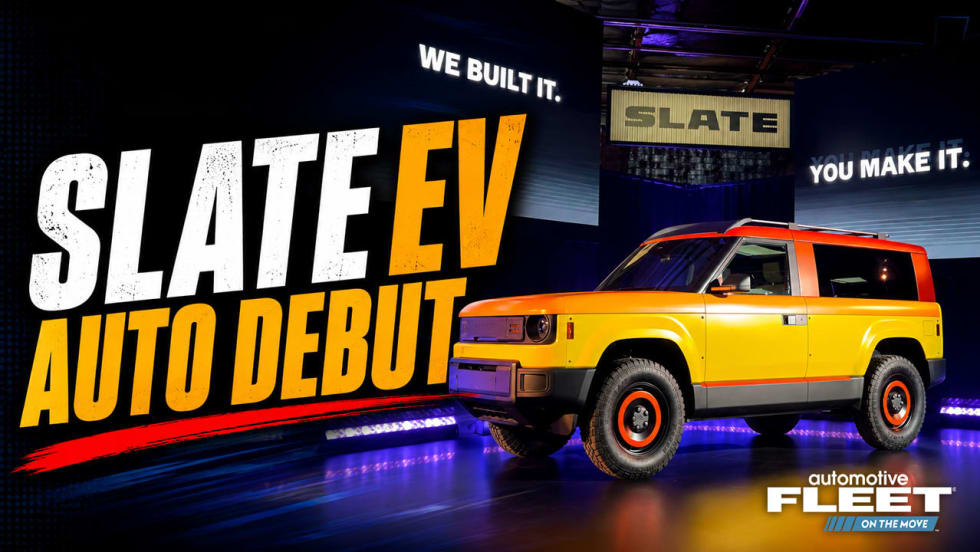
First Look: Slate Auto's Electric Fleet Pickup
Could an affordable, modular EV pickup make electrification more practical for fleets?
Read More →
Slate Debuts Colorful, Unique EV Models
A recent media and client event, studded with electric vehicles dressed up on platforms, planted a new position for the manufacturer in the wider EV market. Fleets will find cost-saving advantages.
Read More →
Slate Electric SUV, Pickup Switchable Model Aims For Light-Duty Fleets
Everything about this EV is counterintuitive and understated, making it stand out from the crowd.
Read More →
Inspiration Mobility Acquires Key Electrada Assets
Inspiration Mobility Group has acquired select assets of Electrada, adding the fleet electrification provider's team, technology, and charging infrastructure development capabilities to its energy management business.
Read More →
Turning Connected Vehicle Data Into Decisions That Matter
Fleet leaders have more data than ever, but turning that data into clear, actionable decisions remains a challenge. This white paper shows how leading organizations are using connected vehicle data to improve safety, reduce costs, and optimize fleet performance. Learn how to turn insight into action across your fleet.
Read More →