




Volvo Develops Downsized 4-Cylinder Engines
GOTHENBURG, SWEDEN -- The Volvo Car Corp. announced that a forthcoming concept car, to be introduced at the Frankfurt Motor Show, will showcase the company’s new range of downsized four-cylinder gasoline and diesel engines.
Volvo Develops Downsized 4-Cylinder Engines Gothenburg, Sweden -- The Volvo Car Corp. announced that a forthcoming concept car, to be introduced at the Frankfurt Motor Show, will showcase the company’s new range of downsized four-cylinder gasoline and diesel engines. Volvo’s upcoming four-cylinder Volvo Environmental Architecture engine range includes common rail diesels and direct injected gasoline engines. It covers everything from high power and torque variants to fuel-efficient derivatives, the company said. "Our four-cylinder focus is the perfect way for us to quickly reduce CO2 emissions and fuel consumption,” said Peter Mertens, senior vice president of research and development. “We will develop four-cylinder engines with higher performance than today's six-cylinder units and lower fuel consumption than the current four-cylinder generation." The new VEA engines reduce the number of unique parts by 60 percent, according to Volvo. The new powertrains are also up to 90 kg lighter than the present ones, and fuel economy is improved by up to 35 percent. Modularity and compact transverse design also lend themselves for future electrification developments. To cover all customer requirements, certain engines will gain added performance via hybrid or other technology, such as flywheel drive. Later this autumn, for instance, Volvo will become one of the first automakers to test the potential of flywheel drive on public roads. The so-called Kinetic Energy Recovery System captures braking energy in a flywheel that spins at up to 60,000 revs a minute. Once released, this stored energy can either accelerate the car or propel the vehicle once it reaches cruising speed. "The flywheel system offers the driver an additional 80 horsepower while reducing fuel consumption by up to 20 percent," said Mertens. Volvo said it will promote economies of scale within the company's own model range via a new vehicle architecture: Scalable Platform Architecture. SPA allows most Volvo models to be built on the same production line regardless of vehicle size and complexity. "We're taking our technological future into our own hands,” Mertens said. “Both our new architecture and the new engine range will enable us to be on par or even beat our toughest competitors in crucial areas such as driving dynamics and fuel economy." In addition to the industrial benefits of common vehicle architecture, Volvo said, there are also significant product-related advantages. Upcoming SPA models will be 100-150 kg lighter than current models of the same size. The new architecture enables electrification at all levels -- and new chassis technologies combined with the lower weight and improved weight distribution will boost driving dynamics.
GOTHENBURG, SWEDEN -- The Volvo Car Corp. announced that a forthcoming concept car, to be introduced at the Frankfurt Motor Show, will showcase the company’s new range of downsized four-cylinder gasoline and diesel engines.
The upcoming four-cylinder Volvo Environmental Architecture engine range includes common rail diesels and direct injected gasoline engines. It covers everything from high power and torque variants to fuel-efficient derivatives, the company said.
"Our four-cylinder focus is the perfect way for us to quickly reduce CO2 emissions and fuel consumption,” said Peter Mertens, Volvo senior vice president of research and development. “We will develop four-cylinder engines with higher performance than today's six-cylinder units and lower fuel consumption than the current four-cylinder generation."
The new VEA engines reduce the number of unique parts by 60 percent, according to Volvo. The new powertrains are also up to 90 kg lighter than the present ones, and fuel economy is improved by up to 35 percent.
Modularity and compact transverse design also lend themselves for future electrification developments. To cover all customer requirements, certain engines will gain added performance via hybrid or other technology, such as flywheel drive.
Later this autumn, for instance, Volvo will become one of the first automakers to test the potential of flywheel drive on public roads. The so-called Kinetic Energy Recovery System captures braking energy in a flywheel that spins at up to 60,000 revs a minute. Once released, this stored energy can either accelerate the car or propel the vehicle once it reaches cruising speed.
"The flywheel system offers the driver an additional 80 horsepower while reducing fuel consumption by up to 20 percent," said Mertens.
Volvo said it will promote economies of scale within the company's own model range via a new vehicle architecture: Scalable Platform Architecture. SPA allows most Volvo models to be built on the same production line regardless of vehicle size and complexity.
"We're taking our technological future into our own hands,” Mertens said. “Both our new architecture and the new engine range will enable us to be on par or even beat our toughest competitors in crucial areas such as driving dynamics and fuel economy."
In addition to the industrial benefits of common vehicle architecture, Volvo said, there are also significant product-related advantages. Upcoming SPA models will be 100-150 kg lighter than current models of the same size. The new architecture enables electrification at all levels -- and new chassis technologies combined with the lower weight and improved weight distribution will boost driving dynamics.
More Green Fleet
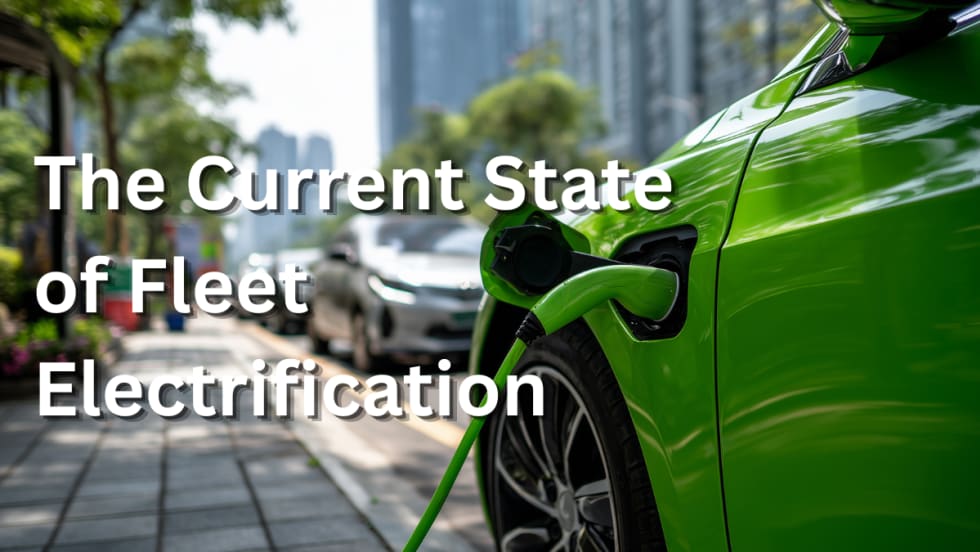
Merchants Fleet Reports 290M EV Miles as Fleets Navigate Changing Electrification Market
From millions in operating savings to hundreds of millions of EV miles, Merchants Fleet’s latest report reveals what’s working and what’s changing in fleet electrification.
Read More →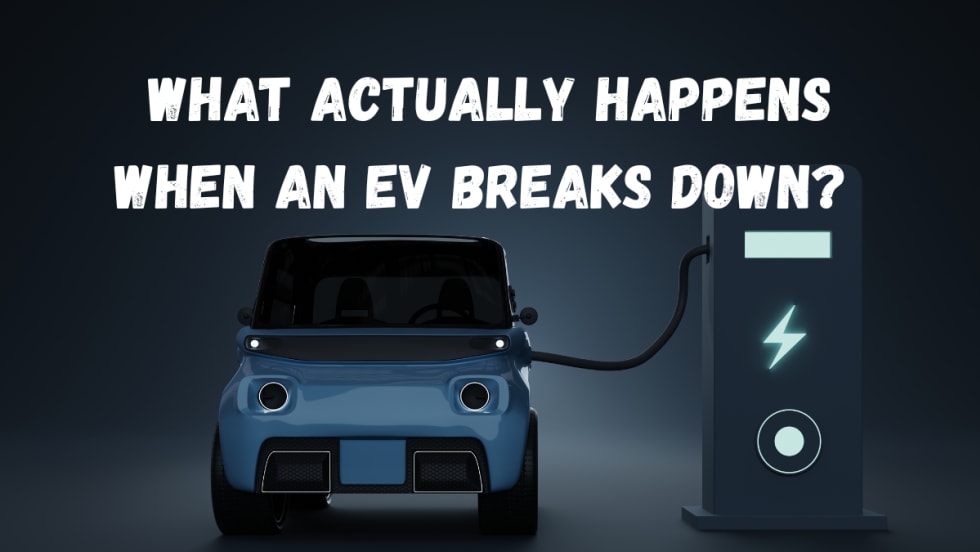
The EV Breakdown Nobody's Talking About: Why Most Electric Vehicle Roadside Calls Aren't Mechanical Failures
Here's why EV breakdowns are widely misunderstood.
Read More →
ChargePoint Now Available in Energy Pass
ChargePoint and additional planned charging network integrations were added to GM's Energy Pass.
Read More →

First Look: Slate Auto's Electric Fleet Pickup
Could an affordable, modular EV pickup make electrification more practical for fleets?
Read More →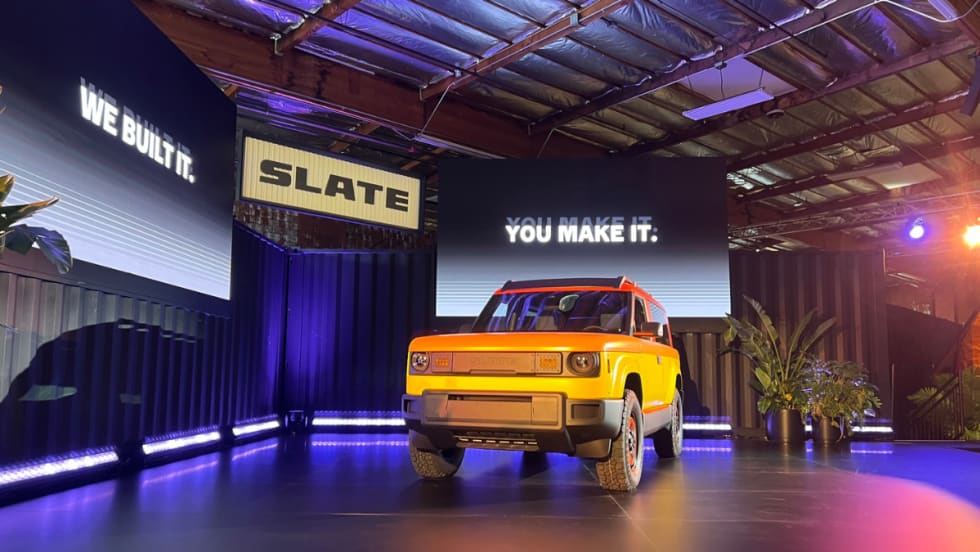
Slate Debuts Colorful, Unique EV Models
A recent media and client event, studded with electric vehicles dressed up on platforms, planted a new position for the manufacturer in the wider EV market. Fleets will find cost-saving advantages.
Read More →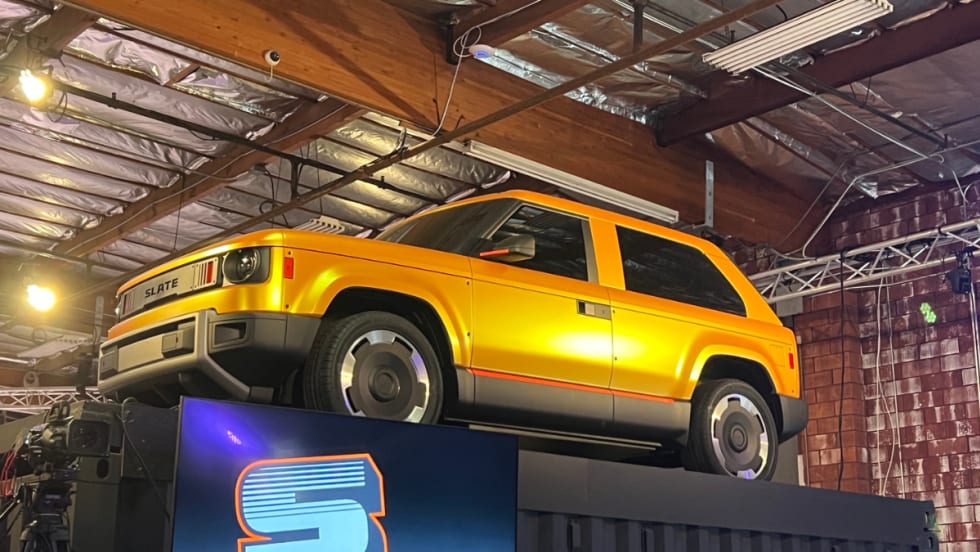
Slate Electric SUV, Pickup Switchable Model Aims For Light-Duty Fleets
Everything about this EV is counterintuitive and understated, making it stand out from the crowd.
Read More →
Inspiration Mobility Acquires Key Electrada Assets
Inspiration Mobility Group has acquired select assets of Electrada, adding the fleet electrification provider's team, technology, and charging infrastructure development capabilities to its energy management business.
Read More →
Turning Connected Vehicle Data Into Decisions That Matter
Fleet leaders have more data than ever, but turning that data into clear, actionable decisions remains a challenge. This white paper shows how leading organizations are using connected vehicle data to improve safety, reduce costs, and optimize fleet performance. Learn how to turn insight into action across your fleet.
Read More →
Are You Tracking Your Fleet's True Total Cost of Ownership?
Bobit Business Media surveyed 190 fleet professionals and found that while most fleets are tracking costs, fragmented systems and data gaps are keeping true TCO visibility out of reach. With rising pressure to control spend in an increasingly volatile environment, the gap between what fleets think they know and what the data actually shows is wider than you might expect. See how your peers are managing costs today and where the industry still has room to improve.
Read More →