




Volvo Cars and Vattenfall to Develop New Plug-in Hybrid
GOTHENBURG, SWEDEN - A Volvo that can be fuelled with electricity from a standard wall socket will be a reality in 2012. Swedish energy company Vattenfall and the Volvo Car Corporation are launching an industrial joint venture partnership to introduce plug-in hybrids on the market.
GOTHENBURG, SWEDEN - A Volvo that can be fuelled with electricity from a standard wall socket will be a reality in 2012. Swedish energy company Vattenfall and the Volvo Car Corporation are launching an industrial joint venture partnership to introduce plug-in hybrids on the market. The ground-breaking technology will considerably lower the environmental impact from traffic. In addition, owning a plug-in hybrid vehicle will be convenient since you can fuel up at home and fuel costs are significantly lower.
In January 2007, the Volvo Car Corporation and Vattenfall launched a joint project with the aim of testing and developing plug-in technology. Now their cooperation is being taken to the next level.
"We are investing in an industrial joint venture to series-produce plug-in hybrid cars in Sweden in 2012, cars that can be powered by both electricity and diesel. This is an important business development for us and our partnership with Vattenfall allows us to take a giant step toward offering our customers cars with an even smaller environmental footprint," says Stephen Odell, President and CEO of the Volvo Car Corporation.
Vattenfall and the Volvo Car Corporation believe that series production of plug-in hybrid cars and the development of infrastructure can generate new jobs and help Sweden maintain its position at the cutting edge of advanced pro-environmental technology.
One of the major benefits of plug-in hybrids is that they can be charged from a regular household wall socket.
"We want to reinforce electricity's importance in society and its key role in solving climate issues. Through this cooperation we hope to be able to speed up the introduction of electric cars. Together we are developing the next-generation technology based on plug-in cars and various charging alternatives," says Lars G Josefsson, President and CEO of Vattenfall.
The development of the cars is being carried out and financed jointly by the two companies. The Volvo Car Corporation will manufacture the cars and Vattenfall will develop charging systems and supply the cars with electricity.
Electricity is very well-suited as a power source for cars. An electric motor has a high efficiency rating and consumes roughly one-fifth the energy needed to power an engine that runs on fossil fuels. The purchase price of the plug-in hybrids will be higher than that of cars with conventional technology. Batteries are still expensive but with the car running on electricity, its fuel costs will be cut to roughly one-third compared with diesel power.
Vattenfall will offer customers the opportunity to sign an agreement for renewable electricity sourced specifically from windpower or hydropower, as an alternative to the regular mix of electricity sources. Lars G Josefsson sees many benefits from chargeable plug-in hybrids, even in cases where the electricity does not come from renewable energy sources.
"Through electric power, we avoid the emissions from each individual car. Instead of petrol or diesel, the energy is derived from a few large power sources and Vattenfall is working hard to eliminate carbon dioxide emissions from all electricity production. In Sweden, virtually all Vattenfall's electricity production is emission-free," explains Lars G Josefsson.
The plug-in hybrid cars will be driven by a powerful electric motor fuelled by a lithium-ion battery. The battery takes about five hours to charge from a standard wall socket, and the battery is also charged every time the car's brakes are applied.
More Green Fleet
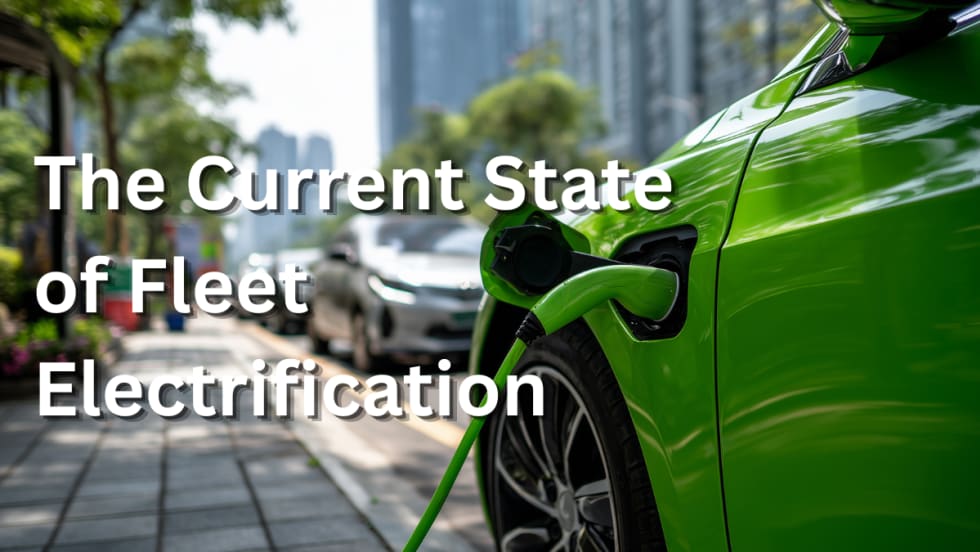
Merchants Fleet Reports 290M EV Miles as Fleets Navigate Changing Electrification Market
From millions in operating savings to hundreds of millions of EV miles, Merchants Fleet’s latest report reveals what’s working and what’s changing in fleet electrification.
Read More →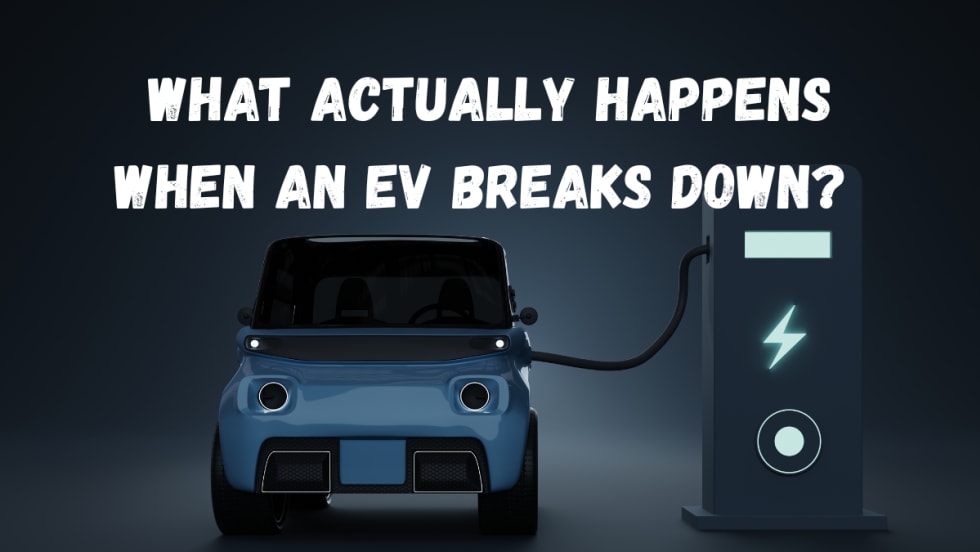
The EV Breakdown Nobody's Talking About: Why Most Electric Vehicle Roadside Calls Aren't Mechanical Failures
Here's why EV breakdowns are widely misunderstood.
Read More →
ChargePoint Now Available in Energy Pass
ChargePoint and additional planned charging network integrations were added to GM's Energy Pass.
Read More →

First Look: Slate Auto's Electric Fleet Pickup
Could an affordable, modular EV pickup make electrification more practical for fleets?
Read More →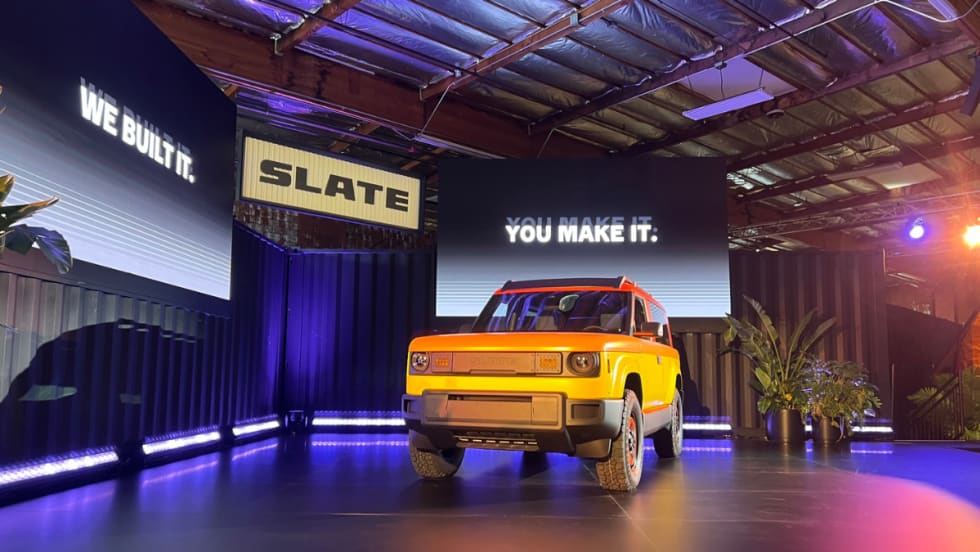
Slate Debuts Colorful, Unique EV Models
A recent media and client event, studded with electric vehicles dressed up on platforms, planted a new position for the manufacturer in the wider EV market. Fleets will find cost-saving advantages.
Read More →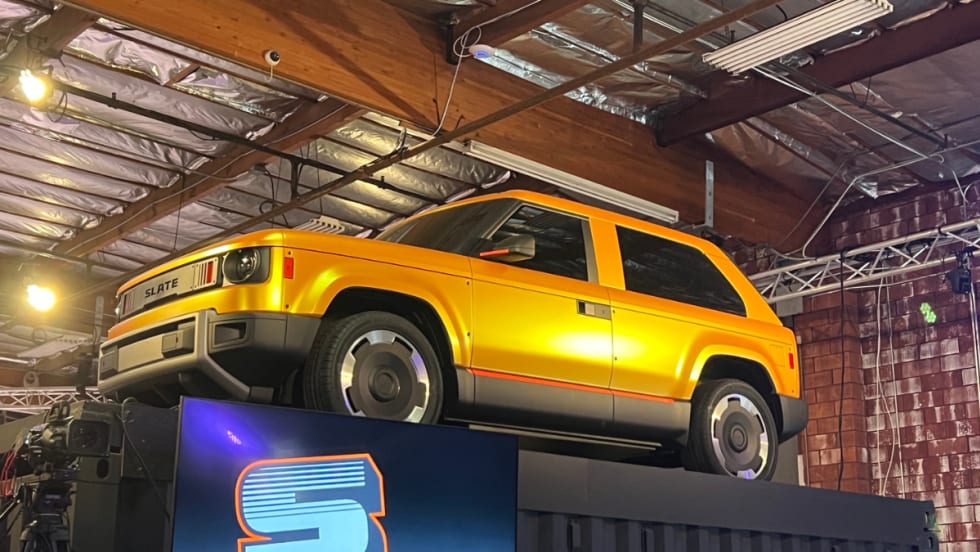
Slate Electric SUV, Pickup Switchable Model Aims For Light-Duty Fleets
Everything about this EV is counterintuitive and understated, making it stand out from the crowd.
Read More →
Inspiration Mobility Acquires Key Electrada Assets
Inspiration Mobility Group has acquired select assets of Electrada, adding the fleet electrification provider's team, technology, and charging infrastructure development capabilities to its energy management business.
Read More →
Turning Connected Vehicle Data Into Decisions That Matter
Fleet leaders have more data than ever, but turning that data into clear, actionable decisions remains a challenge. This white paper shows how leading organizations are using connected vehicle data to improve safety, reduce costs, and optimize fleet performance. Learn how to turn insight into action across your fleet.
Read More →
Are You Tracking Your Fleet's True Total Cost of Ownership?
Bobit Business Media surveyed 190 fleet professionals and found that while most fleets are tracking costs, fragmented systems and data gaps are keeping true TCO visibility out of reach. With rising pressure to control spend in an increasingly volatile environment, the gap between what fleets think they know and what the data actually shows is wider than you might expect. See how your peers are managing costs today and where the industry still has room to improve.
Read More →