




Volkswagen & Greenpeace Underline Strict CO2 Limits for New Cars
For two years, Volkswagen and Greenpeace have been engaging in dialogue concerning the reduction of the CO2 emissions of the entire Volkswagen fleet to an average of 95 grams by 2020.
The Volkswagen Group announced its decision to reduce the fuel consumption of its new vehicle fleet to a greater extent than had previously been intended. This decision was announced at the beginning of the Geneva Motor Show on March 4, 2013, underscored by Prof. Dr. Martin Winterkorn, chairman of the Executive Board of Volkswagen Aktiengesellschaft, during the first top-level meeting with Greenpeace Chief Executive Director Brigitte Behrens in Hanover on March 21, 2013.
The meeting focused on a discussion of the Volkswagen Group's climate protection efforts. Winterkorn underlined that the Volkswagen Group would reach the emission target set by EU legislation of an average of 95 grams of carbon dioxide (CO2) per kilometer by 2020. "I guarantee that we will do everything in our power to reach carbon dioxide emissions of 95 grams without any reservations. However, this will only be possible if customers accept our advanced alternative powertrains. This is of course our objective," Winterkorn said.
Behrens supports the targets set by Volkswagen. "This is a decision in favor of climate protection and a key signal for committing to the protection of the environment and society and the series production of climate-friendly technical solutions. We will remain in dialogue with Volkswagen, also as regards mobility concepts for the future," she said. The declaration of Volkswagen is also a signal for stricter exhaust emission regulations in the growth markets of the U.S. and China.
For two years, Volkswagen and Greenpeace have been engaging in a constructive and in some cases also confrontational dialogue concerning the reduction of the CO2 emissions of the entire Volkswagen fleet to an average of 95 grams by 2020. In connection with this calculation, criticisms have been raised, especially as regards "supercredits," which allow manufacturers to count electric vehicles and hybrid vehicles as low-emission vehicles several times over. Independently from each other, Volkswagen and Greenpeace are convinced that the reduction of carbon dioxide emissions in road traffic is a key factor in climate protection.
Volkswagen and the independent environmental protection organization will continue constructive dialogue about further environmental targets to be adopted by the Group and how they are to be achieved, according to the automaker.
More Green Fleet
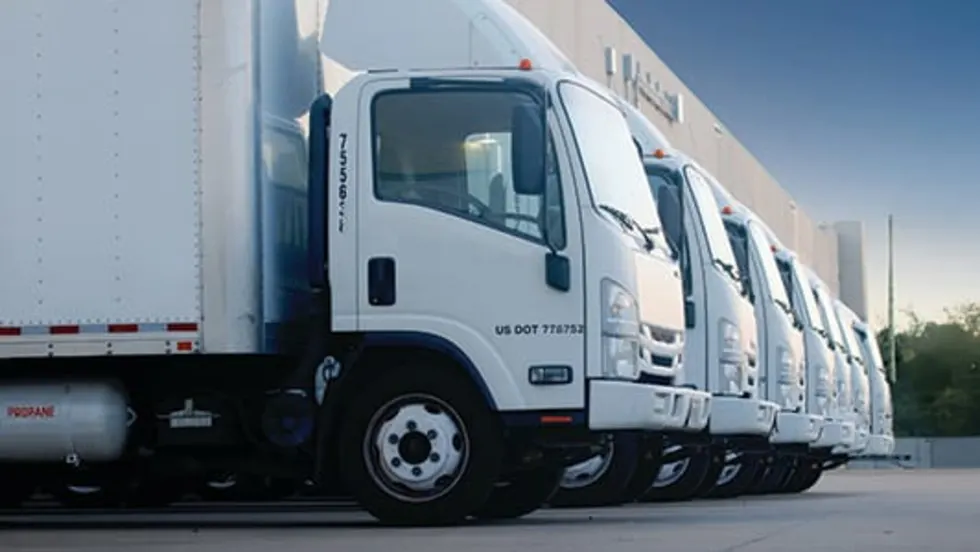
New Propane Autogas Program Offers Fleet Compensation
Qualified commercial fleets can receive $7,500 per eligible propane autogas vehicle and up to $10,000 for new refueling site prep. Learn how the program works and see whether your fleet qualifies.
Read More →
EV Charging Use Is Outpacing Infrastructure Growth
ChargePoint’s 2026 Charging Forward Report points to rising charger use, higher-powered charging, commercial vehicle electrification, and energy-management technology. Here’s what fleets should know.
Read More →
Merchants Fleet Reports 290M EV Miles as Fleets Navigate Changing Electrification Market
From millions in operating savings to hundreds of millions of EV miles, Merchants Fleet’s latest report reveals what’s working and what’s changing in fleet electrification.
Read More →
The EV Breakdown Nobody's Talking About: Why Most Electric Vehicle Roadside Calls Aren't Mechanical Failures
Here's why EV breakdowns are widely misunderstood.
Read More →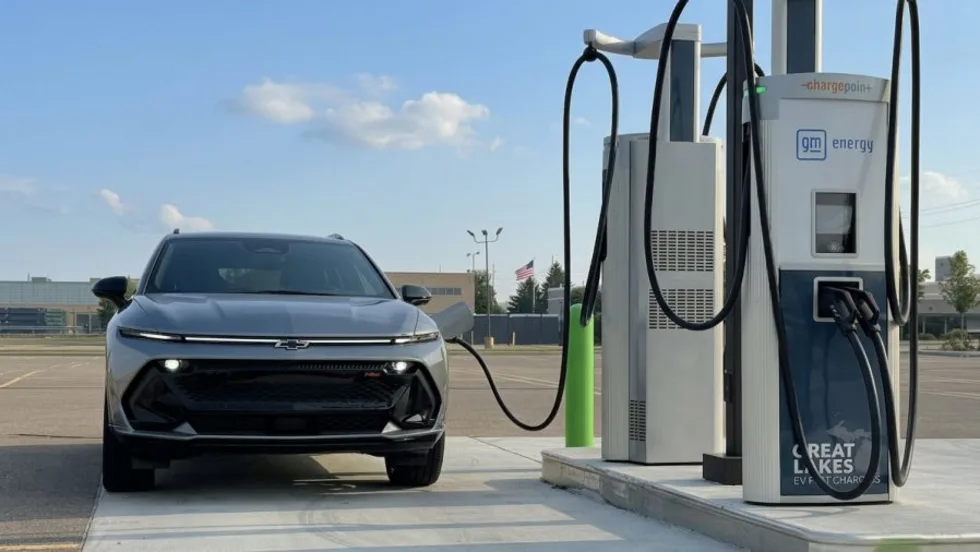
ChargePoint Now Available in Energy Pass
ChargePoint and additional planned charging network integrations were added to GM's Energy Pass.
Read More →

First Look: Slate Auto's Electric Fleet Pickup
Could an affordable, modular EV pickup make electrification more practical for fleets?
Read More →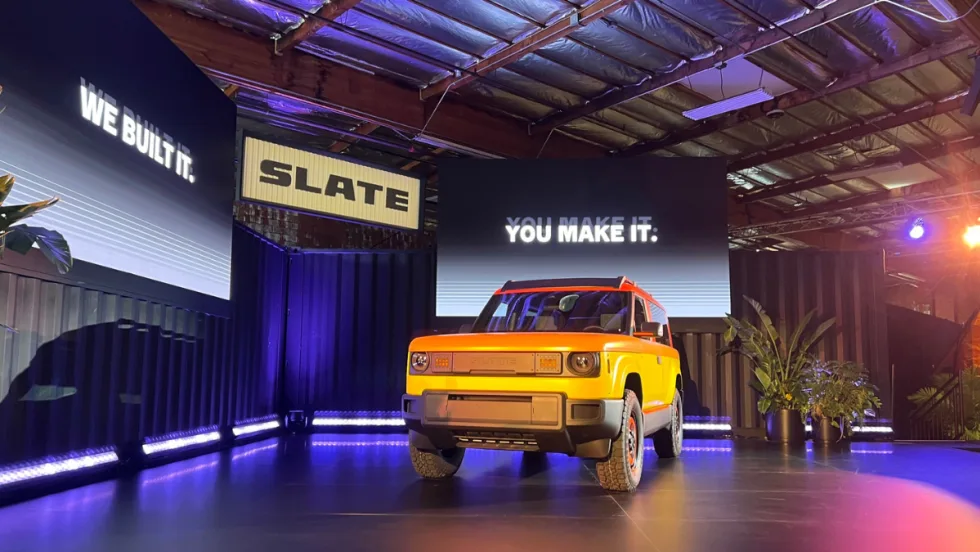
Slate Debuts Colorful, Unique EV Models
A recent media and client event, studded with electric vehicles dressed up on platforms, planted a new position for the manufacturer in the wider EV market. Fleets will find cost-saving advantages.
Read More →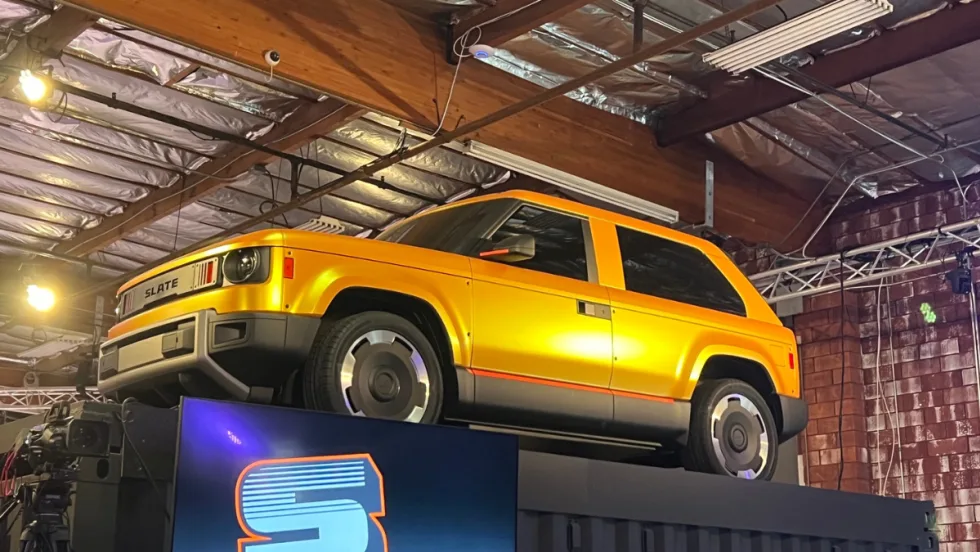
Slate Electric SUV, Pickup Switchable Model Aims For Light-Duty Fleets
Everything about this EV is counterintuitive and understated, making it stand out from the crowd.
Read More →
Inspiration Mobility Acquires Key Electrada Assets
Inspiration Mobility Group has acquired select assets of Electrada, adding the fleet electrification provider's team, technology, and charging infrastructure development capabilities to its energy management business.
Read More →