




Vivint Launches Fleet for New Solar Division
PROVO, UT – Home automation company Vivint launched a fleet for its new solar group within its energy division in October 2011. The new group and its fleet will focus on solar installation for residential customers across the U.S.
PROVO, UT – Home automation company Vivint launched a fleet for its new solar group within its energy division in October 2011. The new group and its fleet will focus on solar installation for residential customers across the U.S. Automotive Fleet spoke with the President of Vivint Solar, Tanguy Serra, about the new fleet.
Serra explained that the new fleet for its solar division is in a growth phase, with an eventual goal of 100 vehicles. He said the company sees huge potential for the solar market.
“We think of solar like broadband – current penetration is at 0.2% of US households, and we see it growing very fast,” Serra said. With this potential for growth comes the need to add properly outfitted vehicles to its fleet. The new solar group has a dedicated solar team that will handle installations and be driving its vehicles.
“We are expanding the fleet rapidly,” Serra said. “We have Isuzu box trucks and 2011 Chevrolet Silverado pickup trucks. We needed cars that could have ladder racks for the pickup trucks and be customized with our colors and the box trucks needed to carry a full day’s worth of installs.”
Serra said the company has outfitted its vehicles with racking systems in order to allow for tools, ladders, harnesses, and other equipment needed for installation.
Vivint has internal fleet managers and works with a leasing company, though Serra declined to specify which leasing company Vivint is working with. He said leasing provides Vivint with the flexibility to upgrade vehicles based on business needs.
In addition to the new fleet for its solar group, the company is working on reducing fuel costs and improving safety.
“We are in the process of changing some driving policies to improve our fuel usage and gain more MPGs for our overall fleet,” Serra said. “Going forward in the new year, I would like to implement new standards and driving habits through various methods, such as training, possibly telematics. We would like to be known as one of the safest fleets in America.”
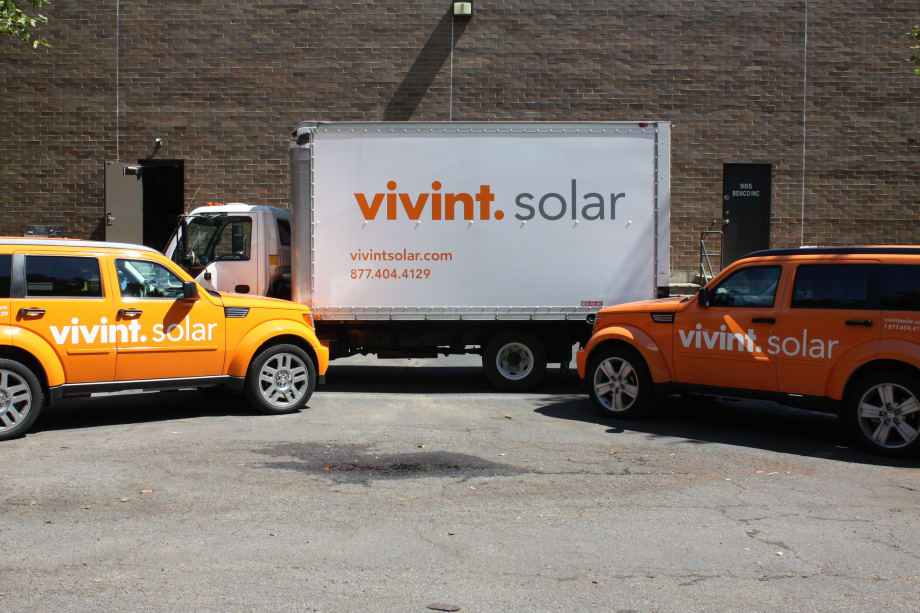
In 2011, Vivint had expanded its fleet by 330 vehicles, purchasing Dodge Nitros (shown above) for use by its field technicians.
By Greg Basich
More Operations

How to Handle Vehicle Offboarding
What do fleet managers need to do when a driver leaves?
Read More →
Fleet Manager’s Ultimate Playbook: Navigating the New Standard in OEM Connectivity
Rising operating costs, driver safety concerns, and unplanned downtime are putting unprecedented pressure on modern fleets. Discover how fleet managers use embedded OEM connectivity and real-time vehicle data to cut TCO, prevent downtime, and protect drivers without aftermarket telematics hardware.
Read More →
U.S. Bank Adds Verra Mobility Toll Management to Voyager Fleet Platform
The integration allows U.S. Bank Voyager fleet customers to manage toll payments and violations alongside fuel, EV charging and maintenance expenses.
Read More →
ADAS Prevents Crashes. But Repairs Cost More | AF News Recap
ADAS-equipped vehicles may crash less often, but they can cost more when they do. This week, we’re breaking down what that tradeoff means for fleets, plus Subaru’s first Forester Wilderness Hybrid, Nissan’s new e-POWER Rogue, and why Calstart has become Catalyst Mobility.
Read More →
Moventum Fleet Management Names Mark Iorillo Head of Sales
Iorillo brings nearly 20 years of fleet management and sales experience to the role, including previous positions at Element Fleet Management, CEI, Donlen and Ryder.
Read More →
Fleet Has a Talent Pipeline Problem. What Comes Next? | AF News Recap
Where will fleet’s next generation of leaders come from? This week, we’re looking at the industry’s talent pipeline, what certification can add to a fleet career, how to build an award-worthy track record, and the return of Automotive Fleet’s Personal Use Survey.
Read More →
Smith System Launches Driver Risk Management Program
Fleets have more driver data than ever, but identifying risky behavior doesn't necessarily correct it. Smith System's new Driver Risk Management program combines monitoring, training, and follow-up coaching to help fleets connect risk signals with driver intervention.
Read More →
Automotive Fleet Opens 2026 Personal Use Survey for Commercial Fleet Managers
Less than two weeks left! Commercial and corporate fleet managers are invited to share how their organizations handle company vehicle personal-use policies, charges, and driver eligibility.
Read More →
From AI Prompts to AI-Generated Safety Songs | AF News Recap
Can better prompts make AI more useful for fleet managers? This week, we’re breaking down smarter fleet analysis, an AI-assisted experiment that turned safety training into music, and what happened to fuel prices in August.
Read More →
How to Write Better AI Prompts for Fleet Analysis
Include these six elements in your fleet prompts to generate more relevant analysis and accurate answers.
Read More →