




Vivint Nearly Doubles Fleet Size With Addition of 330 Dodge Nitros
PROVO, UT - The company said in early July it started distributing the Dodge Nitros to the company’s field service technicians in 178 cities throughout the United States and Canada.
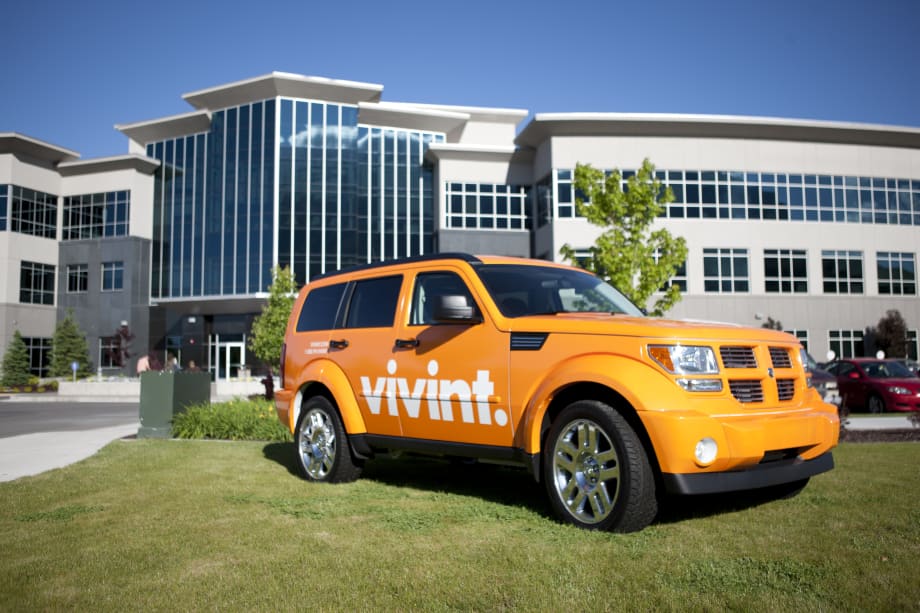
One of Vivint's new Dodge Nitro fleet vehicles.
One of Vivint's new Dodge Nitro fleet vehicles.
PROVO, UT – Home automation company Vivint is rolling out a new fleet of 330 Dodge Nitros to provide customer service to the company’s growing customer base.
Vivint’s fleet previously consisted of 350 Chevrolet HHRs (which the company rebranded in March), two Scion xBs, a single Chevrolet 16-ft. box truck, and two Isuzu 14-ft. box trucks. The 330 Dodge Nitros increase the company’s fleet size from 355 to a total of 685 vehicles, according to a company spokesperson.
The company said that in early July it started distributing the Dodge Nitros to the company’s field service technicians in 178 cities throughout the United States and Canada. The company employs more than 715 full-time, locally based service technicians across North America. All of the new vehicles are wrapped in the company’s orange color and branded with a white version of Vivint’s new logo. The company stated the Nitro's storage capacity and higher, SUV-style profile will help its technicians provide improved customer service in the regions it’s servicing.
Vivint also announced it recently received the “Gold Level Gartner and 1to1 Media CRM Excellence Award,” and the Mobile Enterprises “Best in Field Service Award” for enhancements to its field services processes. In June 2011, the company received two Consumers Digest Best Buy ratings based on features, performance, as well as the company’s reputation for customer service.
By Greg Basich
More Operations

How to Handle Vehicle Offboarding
What do fleet managers need to do when a driver leaves?
Read More →
Fleet Manager’s Ultimate Playbook: Navigating the New Standard in OEM Connectivity
Rising operating costs, driver safety concerns, and unplanned downtime are putting unprecedented pressure on modern fleets. Discover how fleet managers use embedded OEM connectivity and real-time vehicle data to cut TCO, prevent downtime, and protect drivers without aftermarket telematics hardware.
Read More →
U.S. Bank Adds Verra Mobility Toll Management to Voyager Fleet Platform
The integration allows U.S. Bank Voyager fleet customers to manage toll payments and violations alongside fuel, EV charging and maintenance expenses.
Read More →
ADAS Prevents Crashes. But Repairs Cost More | AF News Recap
ADAS-equipped vehicles may crash less often, but they can cost more when they do. This week, we’re breaking down what that tradeoff means for fleets, plus Subaru’s first Forester Wilderness Hybrid, Nissan’s new e-POWER Rogue, and why Calstart has become Catalyst Mobility.
Read More →
Moventum Fleet Management Names Mark Iorillo Head of Sales
Iorillo brings nearly 20 years of fleet management and sales experience to the role, including previous positions at Element Fleet Management, CEI, Donlen and Ryder.
Read More →
Fleet Has a Talent Pipeline Problem. What Comes Next? | AF News Recap
Where will fleet’s next generation of leaders come from? This week, we’re looking at the industry’s talent pipeline, what certification can add to a fleet career, how to build an award-worthy track record, and the return of Automotive Fleet’s Personal Use Survey.
Read More →
Smith System Launches Driver Risk Management Program
Fleets have more driver data than ever, but identifying risky behavior doesn't necessarily correct it. Smith System's new Driver Risk Management program combines monitoring, training, and follow-up coaching to help fleets connect risk signals with driver intervention.
Read More →
Automotive Fleet Opens 2026 Personal Use Survey for Commercial Fleet Managers
Less than two weeks left! Commercial and corporate fleet managers are invited to share how their organizations handle company vehicle personal-use policies, charges, and driver eligibility.
Read More →
From AI Prompts to AI-Generated Safety Songs | AF News Recap
Can better prompts make AI more useful for fleet managers? This week, we’re breaking down smarter fleet analysis, an AI-assisted experiment that turned safety training into music, and what happened to fuel prices in August.
Read More →
How to Write Better AI Prompts for Fleet Analysis
Include these six elements in your fleet prompts to generate more relevant analysis and accurate answers.
Read More →