




Vincentric Analyzes 2015 F-150 TCO
The jury is still out on total cost of ownership (TCO) for the 2015 F-150; however, fleet owners should not expect a high cost-to-own increase from the 2014 to 2015 F-150 models, according to Vincentric.


Photo of 2015 F-150 XL courtesy of Ford.

Photo of 2015 F-150 XL courtesy of Ford.
The jury is still out on total cost of ownership (TCO) for the 2015 F-150; however, fleet owners should not expect a high cost-to-own increase from the 2014 to 2015 F-150 models, according to an analysis from Vincentric.
Vincentric analyzed the ownership costs over three years and 60,000 miles for the regular cab, extended cab and crew cab models in rear-wheel drive at the XL trim level.
What they found was that fleets who own the F-150 XL extended cab and crew cab models should realize a cost savings over the 2014 model. Although owners of the regular cab truck may experience a slight increase in cost of ownership, the projected increase over the three years and 60,000 miles should be negligible.
While insignificant, the cost factors that have increased between models include fees and taxes, finance, insurance, repairs and maintenance.
Buyers of the 2015 F-150 will see a reduction in fuel costs based on improved fuel economy and reduced vehicle weight, according to Vincentric.
More Remarketing

Copart to Acquire ACV in $1.9 Billion Deal
The acquisition would expand Copart beyond its traditional salvage business into dealer-to-dealer wholesale remarketing while adding ACV’s vehicle data, inspection, and valuation technology.
Read More →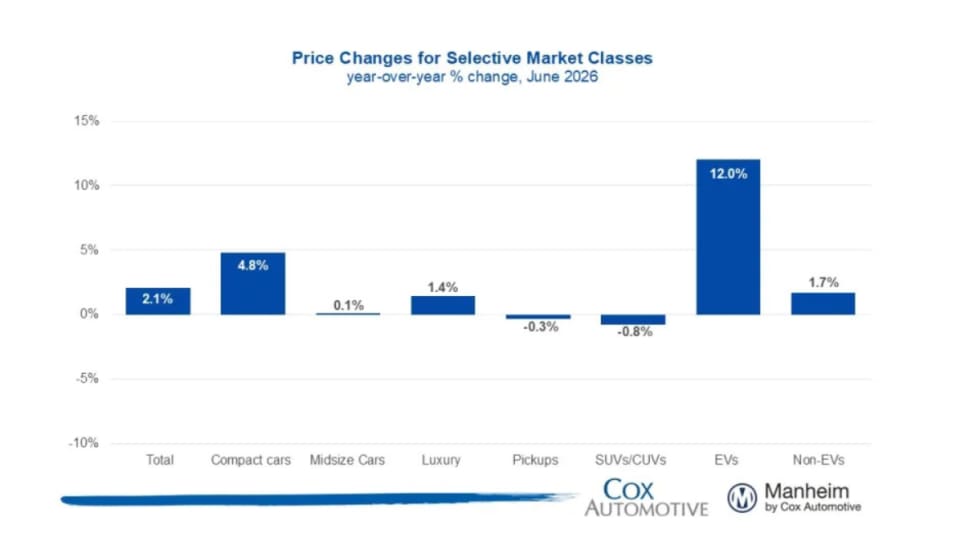
Manheim Index Shows Used-Vehicle Wholesale Prices Up 2.1% in June
The market is seeing stronger appreciation in older used vehicles this year, and the most affordable segments have been among the year’s best performers.
Read More →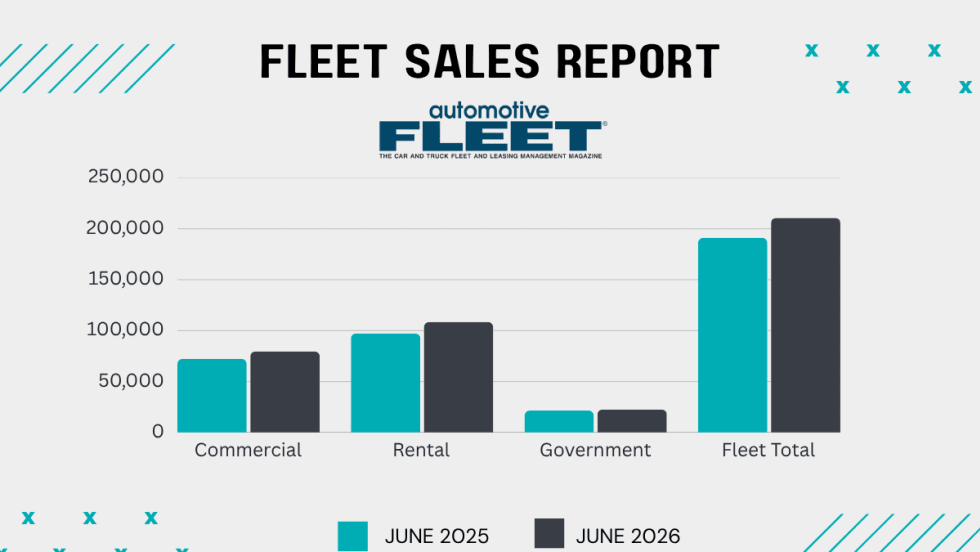
Commercial Fleet Sales Contribute To June, YTD Gains
The fleet sector has boosted its vehicle purchases at a reliable pace in the first half of this year compared with 1H 2025.
Read More →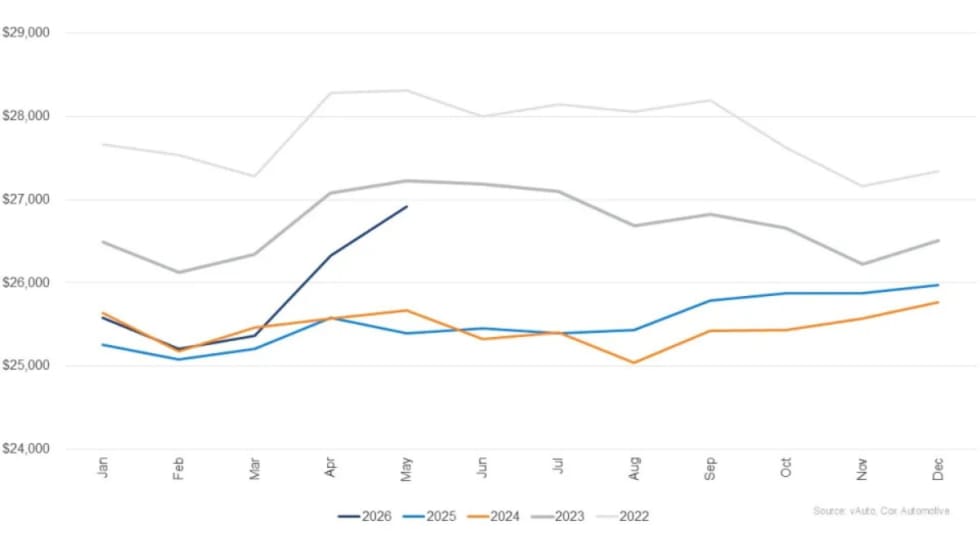
Used Vehicle Prices Climb Higher As Sales Pace Slows
The higher prices at used retail reflect strong wholesale values earlier in the spring, particularly for older, more affordable vehicles.
Read More →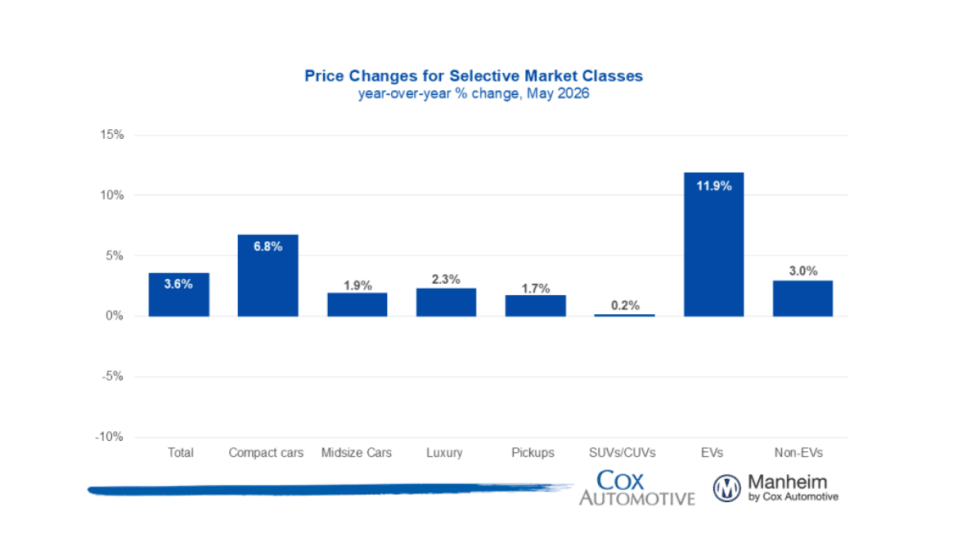
Wholesale Used Vehicle Market Sustains Moderate Rise In Values, Prices
Trends continue to normalize after a strong start to the year, as consumers contend with higher gas prices in the coming summer months.
Read More →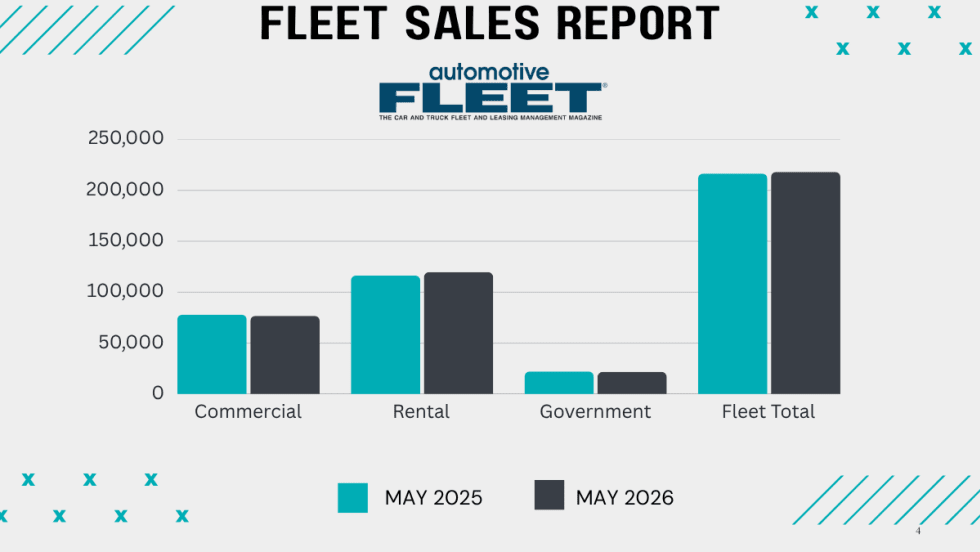
Commercial Fleet Sales Still Lead Sectors Despite May Mini Dip
The U.S. economy's continued growth and positive business investment are creating a favorable environment for fleet vehicle demand.
Read More →
How Connected Vehicle Data Is Lifting Fleet Resale Values
A vehicle health score could improve the value of fleet vehicles at remarketing. The path to a universal standard is forming, and fleets that understand the process early will be better positioned when it arrives.
Read More →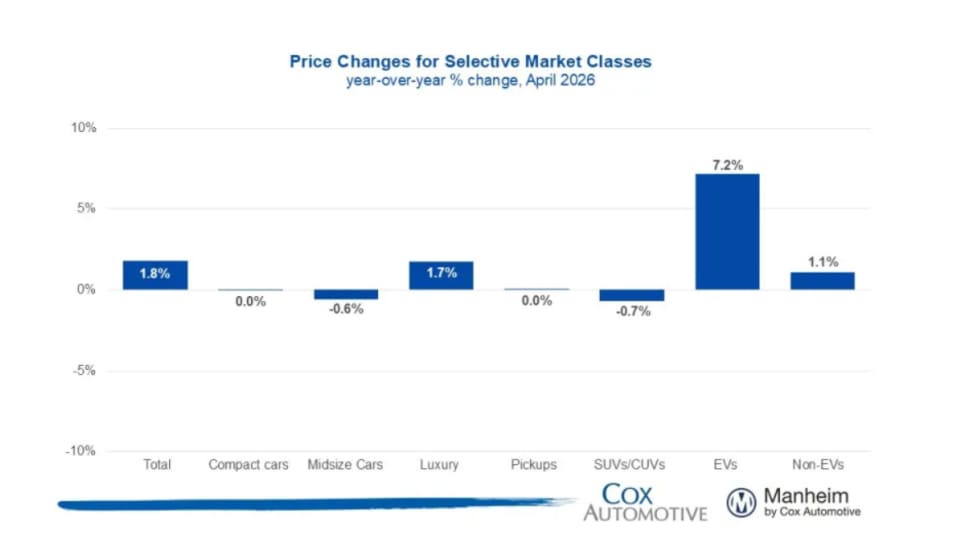
Wholesale Used Vehicle Prices Slightly Up In April
The Iranian conflict and rising gas prices inject much uncertainty into the future wholesale used vehicle markets, as higher gas prices soak up spendable income from vehicle buyers.
Read More →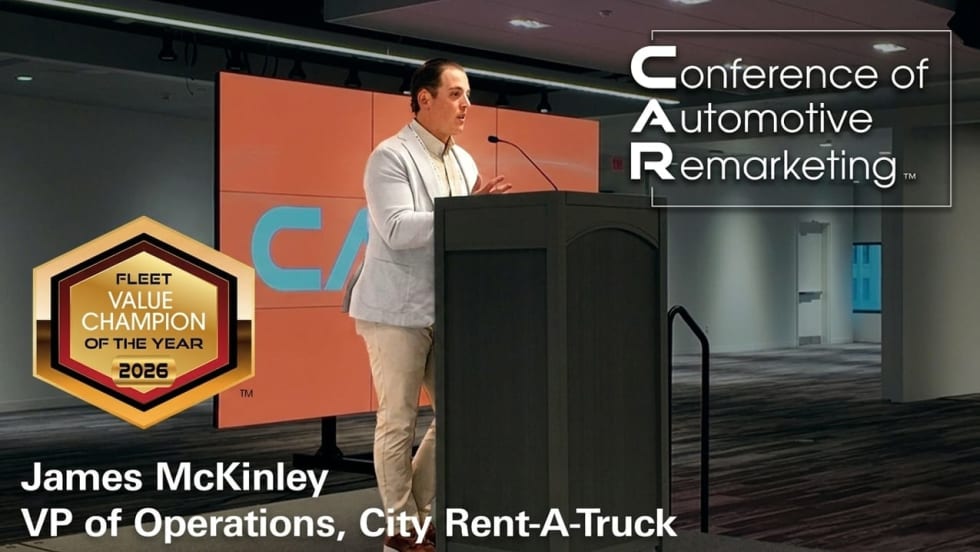
CAR2026: James McKinley Wins Value Champion of the Year
James McKinley of City Rent a Truck was named the inaugural Fleet Value Champion at the CAR Conference for his data-driven approach to fleet lifecycle management and vehicle remarketing.
Read More →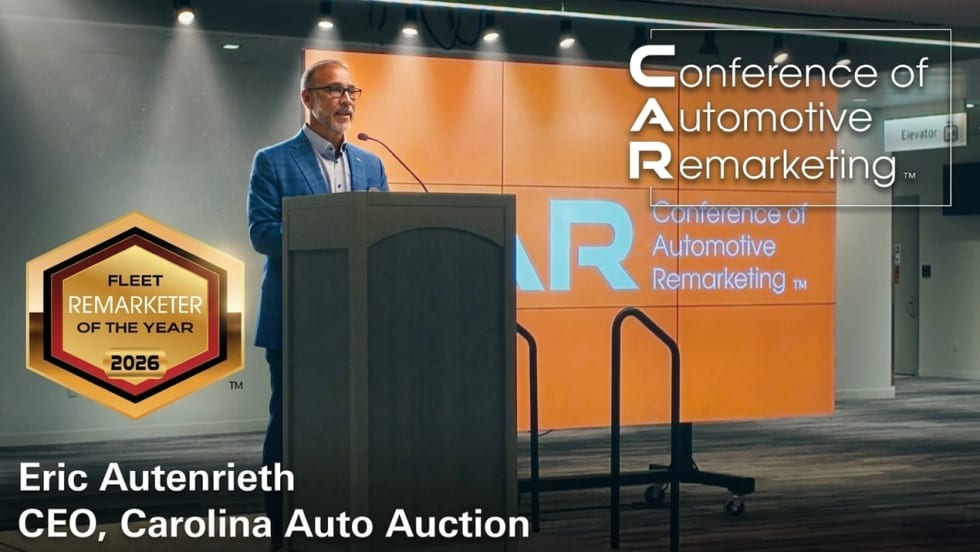
CAR2026: Eric Autenrieth Wins Remarketer of the Year
Eric Autenrieth was recognized at this year's CAR Conference as the Remarketer of the Year.
Read More →