




Video Tip: When Flash Floods Strike
AAA offers driver safety tips for emergency lash-flooding conditions.
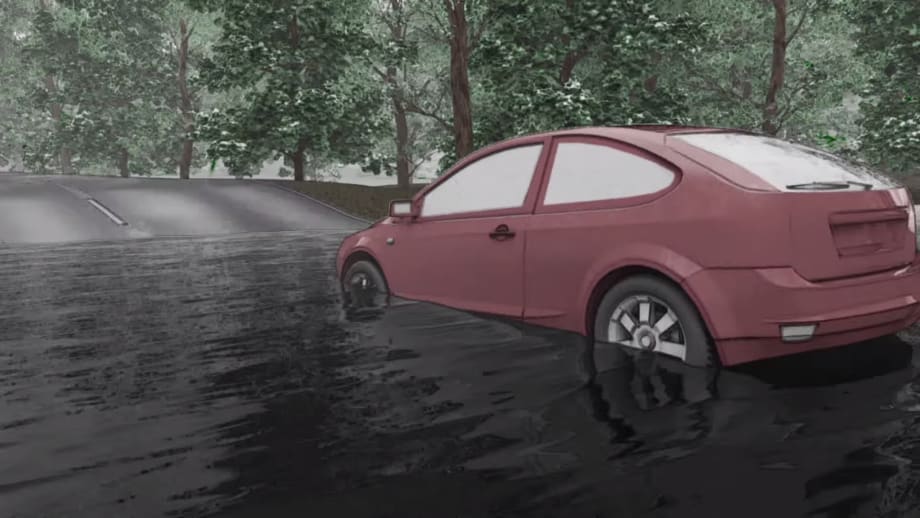
“The one thing I want people to understand is, we haven’t seen this level of rain in the Lowcountry in 1,000 years,” South Carolina Governor Nikki Haley said during a press conference on Sunday, Oct. 4.
Flash flooding in South Carolina and North Carolina had already claimed the lives of at least five people. Swift-water rescue teams were scrambling to come to the aid of hundreds of motorists stranded on flooded roads. About 600 members of the National Guard were also dispatched to flooded areas to carry out rescues.
Video footage of some dramatic rescues this past weekend provides a reminder of how dangerously powerful floodwaters can become during heavy rainfall. Now is a good time to remind fleet drivers that flash flooding can occur with little, if any, advance notice. Drivers need to take the proper precautions before and during such emergency conditions.
Here are some tips from AAA Oklahoma:
In heavy rain, reduce your speed and leave more space between you and the vehicle in front to account for greater stopping distances.
Look out for large or fast-moving vehicles creating spray, which reduces visibility.
Driving too fast through standing water could lead to tires losing contact with the road. If your steering suddenly feels light, you could be aquaplaning. To regain grip, ease off the accelerator, do not brake and allow your speed to fall until you gain full control of the steering again.
Do not attempt to drive through water if you are unsure of the depth – the edge of the curb is a good indicator.
Never attempt to drive through fast flowing water – you could easily get swept away.
If your vehicle becomes submerged, first of all stay calm. Remain buckled in your seat. If the water is substantially deep, the car should remain afloat 30 to 60 seconds -- long enough for you to escape.
In this situation, many people believe if they are wearing a seat belt they will not be able to unbuckle it and will be trapped in the vehicle. Not true, according to AAA. A seatbelt is designed for quick release, and without it there is nothing to hold you in place, nothing to keep your head from slamming into the steering wheel or dashboard. (Hitting water at speed is akin to hitting a wall.) If you were knocked unconscious, you would be helpless. You wouldn’t have a chance to save yourself, let alone help anyone else. If you and any passengers are wearing seatbelts, chances of survival are much greater.
Immediately unlock the doors and open the windows. Your car’s power accessories should continue working for at least a minute or so.
Unbuckle your seat belt (and those of children or other riders who need assistance) and exit through the open windows, swimming to safety in the direction of the current if you’re in deep water.
If the windows won’t open, try kicking out a side or rear window, though it won’t be easy.
You may want to think about carrying a small hammer or car window-breaking tool like a spring punch or hammer in the glove compartment for this purpose.
If you can’t leave via a window and water is entering the cabin, wait until the pressure is equalized on both sides of the door (usually when it’s as deep inside as it is outside) before attempting to open it.
To view a video from the U.S. National Weather Service warning about the dangers of driving through floodwaters, click on the photo or link below the headline.
To view video footage of motorist rescues in Columbia, S.C., click here.
More Safety

Nexar-Nauto Merger Aims to Give Fleets Better Safety Intelligence Through Larger Driving Dataset
Stefan Heck tells Automotive Fleet that combining more than 10 billion miles of driving history with Nexar's AI models will give fleets deeper insights into driver risk and roadway conditions than either company could provide independently.
Read More →
Don't Wait for a Crisis: 5 Ways to Build Mental Health Into Your Fleet Safety Program
For Suicide Prevention Month, fleet and safety leaders have an opportunity to put mental health where it belongs: at the center of workplace safety.
Read More →
How Camera Data Can Strengthen a Fleet’s Insurance Renewal
Insights from a commercial insurance carrier and a broker show how fleets can turn video telematic data, driver coaching, and improved claims results into a stronger case at insurance renewal.
Read More →
The Safest Fleets Aren’t the Ones with the Most Technology
You’ve made the telematics investment. Here’s how to capture the other half of its value and build the safest fleet on the road.
Read More →
Hidden in Plain Sight: Fleet Compliance Risks
Fleet compliance isn't just about having policies — it's about consistently enforcing them. This practical guide reveals six hidden compliance risks common in public sector and shared fleet operations and outlines proven strategies to improve visibility, accountability, and audit readiness
Read More →
NETS Sets 2026 Fleet Safety Benchmark Conference for Indianapolis
The Sept. 15–17 program will feature fleet benchmarking data, case studies, emerging technologies, and implementation strategies while running alongside the NSC Safety Congress & Expo.
Read More →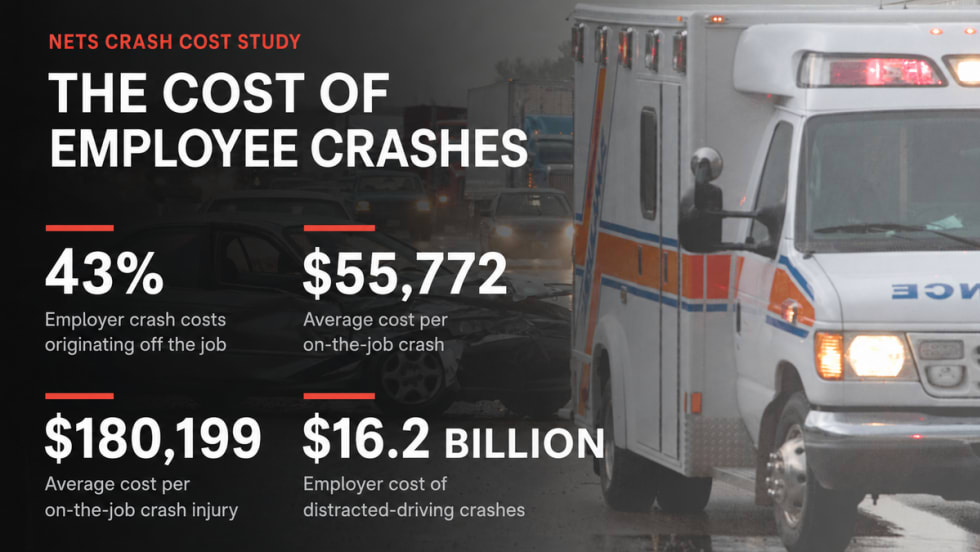
Off-the-Job Crashes Account for 43% of Employers’ $61.7 Billion Crash Burden
NETS quantifies costs dispersed across fleet, risk, HR, and other departments while providing new per-crash benchmarks for employers.
Read More →
Ram Recalls More Than 1.27 Million 1500 Pickups for Seat Belt Anchor Issue
The recall affects certain 2019-2026 Ram 1500 pickups that may have improperly attached second-row seat belt buckle anchors.
Read More →
How Better Visibility Cut Speeding Violations by 48%
Fleet leaders don't need more data, they need clearer visibility into what the data is saying. This case study explores how one utility replaced speeding-event counts with a single metric — miles driven in violation — to strengthen safety and significantly reduce speeding violations.
Read More →
Operation Safe Driver Week: Why the Industry's Oldest Safety Campaign Still Matters to Fleets
A look at how a 2007 enforcement initiative became one of the most consequential weeks on the fleet safety calendar, and what it means for your drivers in 2026.
Read More →