




Video: N.Y., Calif. More Eager for Autonomous Cars
A new online survey from Volvo Cars reveals regional differences in drivers’ willingness to trust future autonomous vehicle technology.
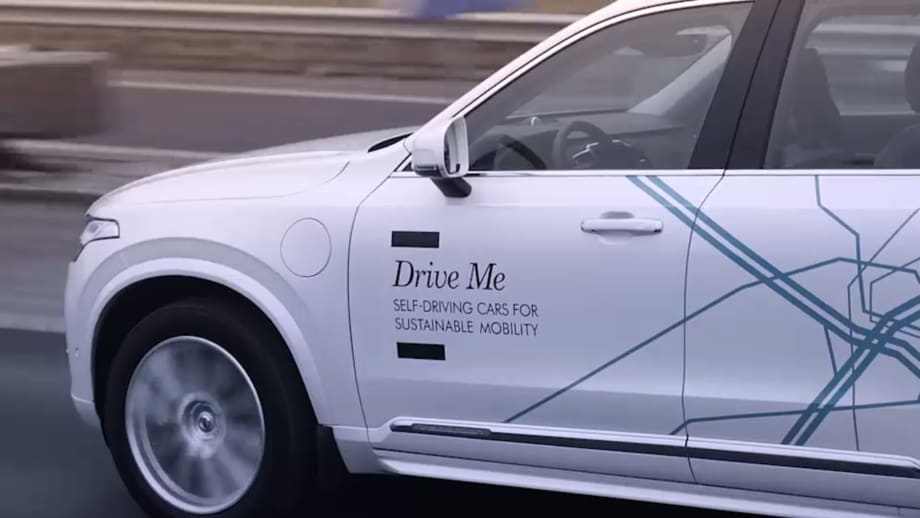
VIDEO: Volvo’s Drive Me Project
A total of 90% of New Yorkers and 86% of Californians feel that autonomous cars could make life easier, according to a new survey from Volvo.
Volvo Cars’ “Future of Driving” online survey has drawn nearly 50,000 responses worldwide, the company said.
Residents in Pennsylvania, Illinois, and Texas are less convinced than the average American about the safety benefits of autonomous driving. Only about half (52%) of Illinois respondents would trust an autonomous car to make decisions about safety, 10% less than the national average, according to survey results.
Similarly, only 62% of Pennsylvanians think that having more autonomous cars on the road will eliminate traffic accidents versus a national average of 68%. Additionally, 60% of Texans believe autonomous cars could keep their family safer compared to 69% of people across the nation, the survey indicated.
“The difference between states regarding the safety benefits of autonomous cars highlights why we need a federal framework for autonomous driving regulations,” said Lex Kerssemakers, president and CEO of Volvo Car USA.
Nationally, Americans are concerned about the pace at which lawmakers are responding to the prospect of autonomous cars. An overwhelming majority of respondents, 90%, believe governments and local authorities are slow to plan for autonomous cars, the Volvo survey found.
Across all states, a majority supported autonomous driving. However, 68% of people believe that driving manually is a luxury that must be preserved.
“Volvo believes that autonomous driving vehicles should give you the freedom to choose when you want to drive and when you want to delegate driving to the car,” said Kerssemakers. “The Future of Driving survey confirmed that consumers seek this freedom as autonomous driving technologies are introduced.”
The Future of Driving survey is just one of many consumer studies Volvo Cars has conducted about autonomous driving. The company’s autonomous driving pilot program, “Drive Me,” will put 100 consumers in autonomous driving vehicles beginning in 2017.
More Safety
NETS Sets 2026 Fleet Safety Benchmark Conference for Indianapolis
The Sept. 15–17 program will feature fleet benchmarking data, case studies, emerging technologies, and implementation strategies while running alongside the NSC Safety Congress & Expo.
Read More →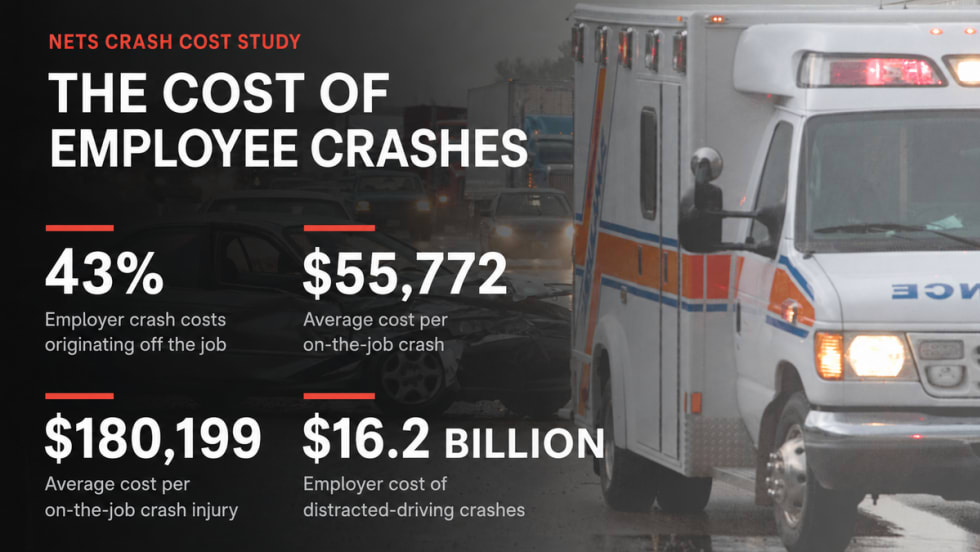
Off-the-Job Crashes Account for 43% of Employers’ $61.7 Billion Crash Burden
NETS quantifies costs dispersed across fleet, risk, HR, and other departments while providing new per-crash benchmarks for employers.
Read More →
Ram Recalls More Than 1.27 Million 1500 Pickups for Seat Belt Anchor Issue
The recall affects certain 2019-2026 Ram 1500 pickups that may have improperly attached second-row seat belt buckle anchors.
Read More →
Top 50 Executive Fleets
It is that time of year again! Time for the 2026 list of the Top 50 Executive Fleets, presented by Automotive Fleet and Volvo as part of its annual Fleet 500. Download now to see this year's list of companies!
Read More →
How Better Visibility Cut Speeding Violations by 48%
Fleet leaders don't need more data, they need clearer visibility into what the data is saying. This case study explores how one utility replaced speeding-event counts with a single metric — miles driven in violation — to strengthen safety and significantly reduce speeding violations.
Read More →
Operation Safe Driver Week: Why the Industry's Oldest Safety Campaign Still Matters to Fleets
A look at how a 2007 enforcement initiative became one of the most consequential weeks on the fleet safety calendar, and what it means for your drivers in 2026.
Read More →
Nexar-Nauto Merger Aims to Give Fleets Better Safety Intelligence Through Larger Driving Dataset
Stefan Heck tells Automotive Fleet that combining more than 10 billion miles of driving history with Nexar's AI models will give fleets deeper insights into driver risk and roadway conditions than either company could provide independently.
Read More →
From Silos to Solutions: Relationship Management for Safer Fleets
From telematics adoption and driver accountability to policy consistency and risk mitigation, this episode breaks down what it really takes to build a safer fleet culture without slowing business down.
Read More →
IIHS Launches First Commercial Vehicle Safety Evaluations
The Insurance Institute for Highway Safety has begun evaluating heavy-duty pickups and cargo vans for driver protection. Which models earned top marks?
Read More →
Reducing Risk by Eliminating Phone Use Behind the Wheel
Hosted with the cofounder of Lifesaver Mobile, this episode addresses phone use behind the wheel and how to design a driving environment that actually helps prevents accidents.
Read More →