




Video: NHTSA Campaign Highlights Tire Care
The federal agency, alarmed by the prevalence of tire-related crashes, seeks to educate the motoring public on how to ensure their vehicle’s tires are safe.
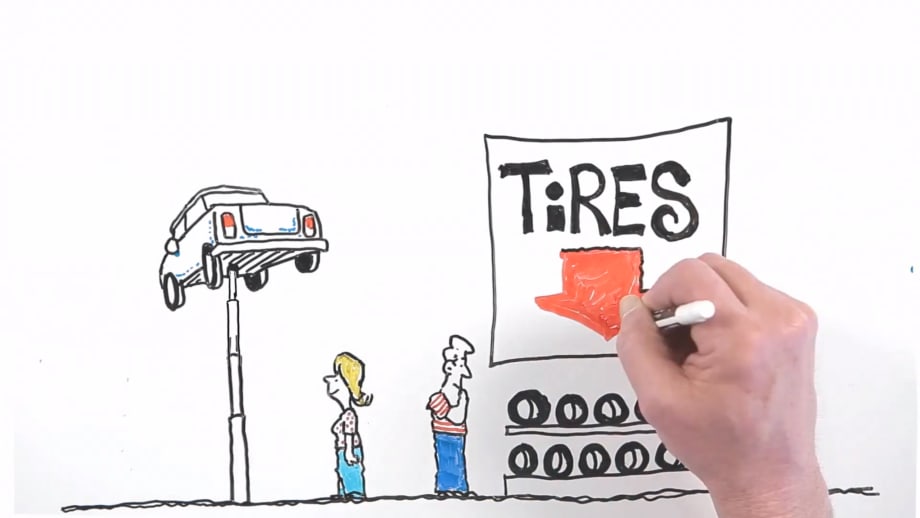
The U.S. Department of Transportation's National Highway Traffic Safety Administration (NHTSA) has launched a campaign aimed at informing motorists and retailers about choosing and caring for tires. The initiative is dubbed “TireWise.”
NHTSA estimates that tire-related crashes cause nearly 200 fatalities annually. There are about 11,000 tire-related crashes each year.
"Safety is our top priority, and following these simple guidelines will help prevent needless deaths and injuries every year," said U.S. Transportation Secretary Anthony Foxx. "This campaign will help consumers make more informed choices every step of the way when it comes to choosing and caring for their tires – keeping them safer and saving them money at the same time."
The TireWise campaign will address:
Tire Buying – how to select the right type, size and rating of tire
Tire Pressure – how to check tire pressure monthly. Proper tire inflation is critical to ensuring safety.
Tread wear – how to check tires for wear and other visual defects monthly. Don't exceed recommended tread-wear limits.
Tire Aging – how to check the age of your tires, when you should consider replacing them, how tires break down over time, the factors that can make tires prone to aging and failure, and what you can do to extend the service life of your tires.
Effects of High Temperatures – how to check tire pressure and conditions in hot climates. Warmer weather can contribute to tire aging and special attention should be given when driving in these areas.
Replacing Tires – how to learn when your tires were manufactured and follow the vehicle manufacturer's recommendation for replacement, regardless of actual miles on the tire. Tires can deteriorate over time even when not used frequently (for example passenger vans) or at all (spare tires).
To reach as many consumers as possible online and in stores, the TireWise campaign will be featured on SaferCar.gov. All of the content will also be made available to retailers and tire manufacturers across the U.S..
"Working with retailers and tire manufacturers allows us to reach the consumers at the time they are making these critical decisions, which is essential in building public awareness of tire-safety issues," said NHTSA Acting Administrator David Friedman. "Since the implementation of NHTSA's new tire standards, we've seen a significant decrease in tire-related fatalities, and we look forward to working with retailers, manufacturers, and other partners in the industry to continue improving traffic safety."
The retailer materials will include a "Life as a Tire" video that can be played while consumers are shopping for tires or waiting for them to be installed. There is also a "Congratulations on Your New Tire Purchase" form that retailers can fill out with customers. The form provides consumers with information on how to properly care for their tires, including registration so that customers receive a notification if their tires are recalled.
To view the “Life of a Tire” video, click on the photo or link at the top of this article.
Later this year, NHTSA's SaferCar mobile app for Apple and Android products will be updated so that users can sign up for tire recall alerts for their specific tires and also submit tire complaints from their mobile devices. New tire recall information is currently available by following NHTSA on Twitter and Facebook or by signing-up on the SaferCar.gov website for RSS feed and email alerts.
More Safety
Tips for Driving Safely on Halloween Night
This video features a reminder from the Connecticut Department of Transportation (DOT) and the Connecticut Police Chiefs Association, urging drivers to prioritize safety this Halloween.
Read More →
IIHS Crash Avoidance Tests Reveal Safety Gaps in Cargo Vans and Work Trucks
New crash-avoidance ratings from the Insurance Institute for Highway Safety reveal inconsistent performance among commercial vehicles, with several popular cargo vans and heavy-duty pickups struggling to avoid collisions with other vehicles and pedestrians.
Read More →
What’s Next for Fleet? Safety, AI & Industry Recognition | AF News Recap
Could your company's culture be encouraging distracted driving? This week, we're exploring how workplace expectations affect driver safety, what AI, EVs, and autonomous vehicles could mean for the future of fleet management, and how fleet professionals can strengthen their award nominations.
Read More →
Does Your Fleet's Culture Encourage Distracted Driving?
What happens when the people responsible for enforcing safety rules are the ones setting the wrong example? The answer may reveal why some of the biggest risks to fleet drivers have little to do with what's written in the employee handbook.
Read More →
Fleet Manager’s Ultimate Playbook: Navigating the New Standard in OEM Connectivity
Rising operating costs, driver safety concerns, and unplanned downtime are putting unprecedented pressure on modern fleets. Discover how fleet managers use embedded OEM connectivity and real-time vehicle data to cut TCO, prevent downtime, and protect drivers without aftermarket telematics hardware.
Read More →
From Driver Well-Being to EV Charging | AF News Recap
Mental health belongs in the fleet safety conversation. This week, we’re looking at five ways fleets can support employee well-being before a crisis, plus Holman’s expansion in Mexico, new one-day Fleet Forward passes, and why EV charging demand is outpacing infrastructure growth.
Read More →
Nexar-Nauto Merger Aims to Give Fleets Better Safety Intelligence Through Larger Driving Dataset
Stefan Heck tells Automotive Fleet that combining more than 10 billion miles of driving history with Nexar's AI models will give fleets deeper insights into driver risk and roadway conditions than either company could provide independently.
Read More →
Don't Wait for a Crisis: 5 Ways to Build Mental Health Into Your Fleet Safety Program
For Suicide Prevention Month, fleet and safety leaders have an opportunity to put mental health where it belongs: at the center of workplace safety.
Read More →
How Camera Data Can Strengthen a Fleet’s Insurance Renewal
Insights from a commercial insurance carrier and a broker show how fleets can turn video telematic data, driver coaching, and improved claims results into a stronger case at insurance renewal.
Read More →
The Safest Fleets Aren’t the Ones with the Most Technology
You’ve made the telematics investment. Here’s how to capture the other half of its value and build the safest fleet on the road.
Read More →