




Video: Google Self-Driving Prototypes to Hit Public Roads
The pod-like prototype cars, which use the same software as Google’s self-driving Lexus RX450h fleet, this summer will undergo testing on public roads near Google headquarters in Mountain View, Calif.
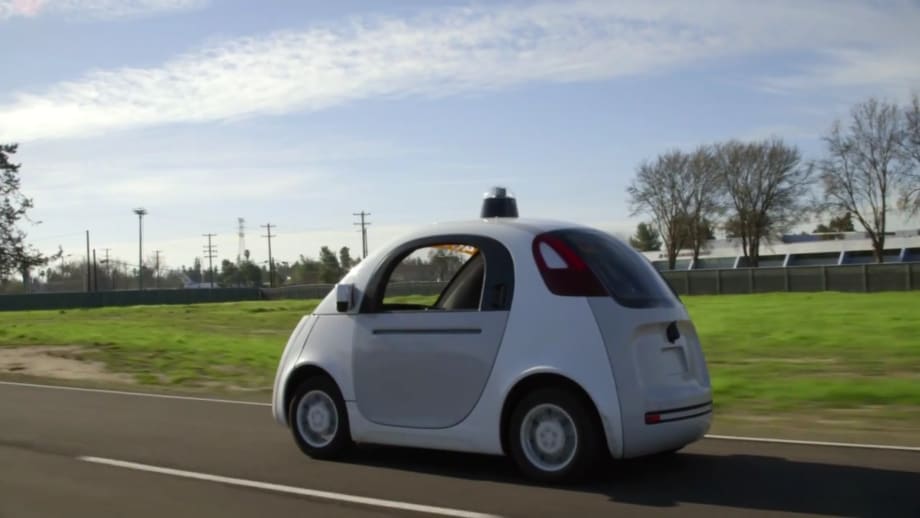
VIDEO: Google's Self-Driving Project Takes the Next Step
Google will begin testing a few of its self-driving car prototypes on public roads in Mountain View, Calif., this summer, the company announced.
The pod-like autonomous vehicles will all have drivers aboard, said Chris Urmson, director of the Google self-driving car project, on the company’s official blog.
The prototypes will use the same software as Google’s self-driving Lexus RX450h fleet, which has logged nearly a million autonomous miles on roads since the project’s start. There have been a few minor crashes, but all have stemmed from human error – not shortcomings in the autonomous vehicle technology, according to Google.
Google has run the new prototypes through rigorous testing at the company’s facilities, Urmson said, to ensure “our software and sensors work as they’re supposed to on this new vehicle.”
Don’t expect to see the prototypes zipping down the freeway any time soon, however.
“Each prototype’s speed is capped at a neighborhood-friendly 25mph, and during this next phase of our project we’ll have safety drivers aboard with a removable steering wheel, accelerator pedal, and brake pedal that allow them to take over driving if needed,” Urmson said. “We’re looking forward to learning how the community perceives and interacts with the vehicles, and to uncovering challenges that are unique to a fully self-driving vehicle – e.g., where it should stop if it can’t stop at its exact destination due to construction or congestion.”
In the next few years, Google will run small pilot programs using the prototypes to continue advancing the technology and to learn what drivers want from autonomous vehicles.
To view a Google video about the self-driving car project, click on the photo or link below the headline.
More Safety

NETS Sets 2026 Fleet Safety Benchmark Conference for Indianapolis
The Sept. 15–17 program will feature fleet benchmarking data, case studies, emerging technologies, and implementation strategies while running alongside the NSC Safety Congress & Expo.
Read More →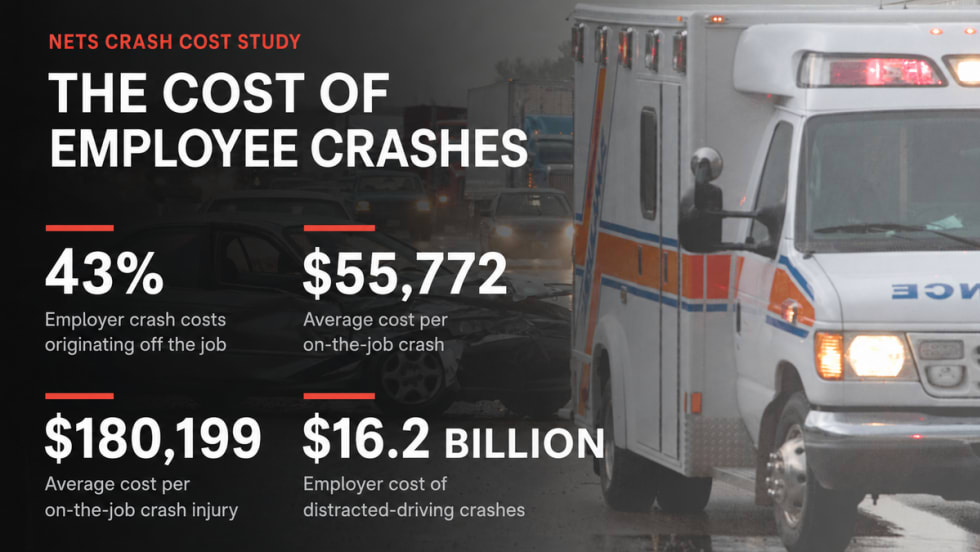
Off-the-Job Crashes Account for 43% of Employers’ $61.7 Billion Crash Burden
NETS quantifies costs dispersed across fleet, risk, HR, and other departments while providing new per-crash benchmarks for employers.
Read More →
Ram Recalls More Than 1.27 Million 1500 Pickups for Seat Belt Anchor Issue
The recall affects certain 2019-2026 Ram 1500 pickups that may have improperly attached second-row seat belt buckle anchors.
Read More →
Top 50 Executive Fleets
It is that time of year again! Time for the 2026 list of the Top 50 Executive Fleets, presented by Automotive Fleet and Volvo as part of its annual Fleet 500. Download now to see this year's list of companies!
Read More →
How Better Visibility Cut Speeding Violations by 48%
Fleet leaders don't need more data, they need clearer visibility into what the data is saying. This case study explores how one utility replaced speeding-event counts with a single metric — miles driven in violation — to strengthen safety and significantly reduce speeding violations.
Read More →
Operation Safe Driver Week: Why the Industry's Oldest Safety Campaign Still Matters to Fleets
A look at how a 2007 enforcement initiative became one of the most consequential weeks on the fleet safety calendar, and what it means for your drivers in 2026.
Read More →
Nexar-Nauto Merger Aims to Give Fleets Better Safety Intelligence Through Larger Driving Dataset
Stefan Heck tells Automotive Fleet that combining more than 10 billion miles of driving history with Nexar's AI models will give fleets deeper insights into driver risk and roadway conditions than either company could provide independently.
Read More →
From Silos to Solutions: Relationship Management for Safer Fleets
From telematics adoption and driver accountability to policy consistency and risk mitigation, this episode breaks down what it really takes to build a safer fleet culture without slowing business down.
Read More →
IIHS Launches First Commercial Vehicle Safety Evaluations
The Insurance Institute for Highway Safety has begun evaluating heavy-duty pickups and cargo vans for driver protection. Which models earned top marks?
Read More →
Reducing Risk by Eliminating Phone Use Behind the Wheel
Hosted with the cofounder of Lifesaver Mobile, this episode addresses phone use behind the wheel and how to design a driving environment that actually helps prevents accidents.
Read More →