




Video: Feds, States Crack Down on Impaired Driving
Police tighten enforcement during the holiday season, and agencies begin studying ignition interlock best practices.
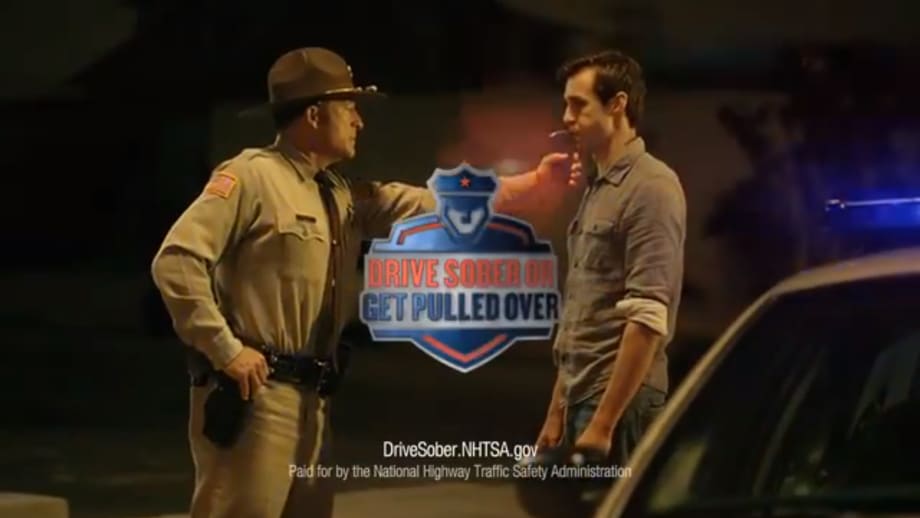
A scene from a NHTSA public service announcement.
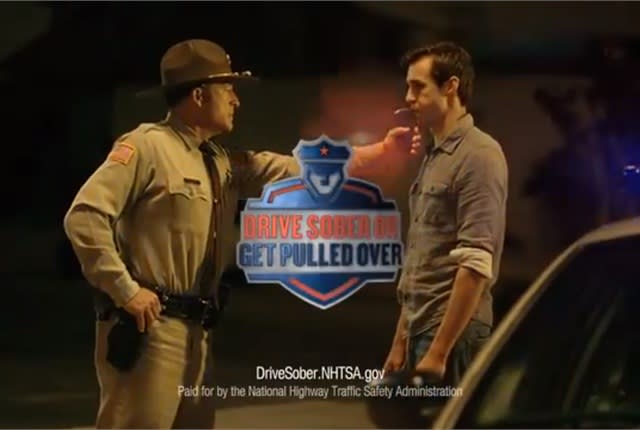
A scene from a NHTSA public service announcement.
The Governors Highway Safety Association (GHSA) recently joined federal and state law enforcement officials to kick off the national Drive Sober or Get Pulled Over initiative. The annual campaign, which runs through Jan. 1, combines high-visibility enforcement with paid advertising and grassroots outreach to detect and deter drunk driving.
“We’ve made tremendous strides in changing the social norms associated with drinking and driving, but the problem is far from solved,” said Jonathan Adkins, GHSA deputy executive director. “Alcohol-impaired driving claimed 10,322 lives last year, an increase of 4.6 percent compared with 2011. That’s an alarming statistic and one we’re committed to address.”
States are employing a variety of measures to address the problem, including calling for ignition interlock laws for all first-time offenders, GHSA said.
Currently, 18 states have enacted ignition interlock laws, and GHSA continues to encourage other states to follow their lead. To assist in this effort, GHSA is partnering with the National Highway Traffic Safety Administration and the Centers for Disease Control on a long-term study to assess state ignition interlock best practices. The findings are expected to be available in early 2014.
GHSA also supports efforts to develop and test new in-car technology known as DADDS (Driver Alcohol Detection System for Safety). The system uses sensors installed in a vehicle’s passenger compartment to measure blood-alcohol content by breath or touch to ensure a driver is below the legal .08 threshold for impairment.
While the technology holds promise for saving thousands of lives annually, the research is still in the early phase of development, GHSA said. In the meantime, states are relying on enforcement and education tactics to remind the public about the dangers of impaired driving. These include:
The California Office of Traffic Safety (OTS) is launching a new public awareness effort to promote designated driving called DDVIP. A smartphone app directs designated drivers to maps showing the location and descriptions of nearby bars that have agreed to offer free, non-alcoholic drinks and other incentives to designated sober drivers. A dedicated DDVIP Facebook page along with Twitter, Instagram and other social and broadcast media are being used to promote the program. OTS is also urging motorists to “Report Drunk Drivers - Call 911!” through 600 digital freeway message signs. Additionally, 39 special multi-agency DUI Task Force Strike Teams, hundreds of local DUI saturation patrols and special warrant/probation sweeps will be deployed during the holidays.
The Maryland Highway Safety Office (MHSO) will partner with local media outlets to host “wet demo” workshops to illustrate how alcohol impacts a person’s ability to safely operate a motor vehicle. The MHSO also funds a full-time DUI enforcement team known as SPIDRE (State Police Impaired Driving Enforcement Effort). These seven troopers are assigned to areas with a high incidence of impaired driving crashes. The troopers work with local police to strengthen their enforcement capabilities, particularly during holiday periods. The state will also honor the victims of impaired driving crashes at its 10th annual Maryland Remembers Ceremony and highlight the impact that impaired driving has on those left behind.
In New York, the Governor’s Traffic Safety Committee (GTSC) is joining with the New York State STOP-DWI Association and local and state police for the annual Holiday STOP-DWI Enforcement crackdown. The initiative uses saturation patrols, sobriety checkpoints and underage drinking bar sweeps to remove impaired drivers from the road. The state is also running television and radio commercials to draw attention to both drunk and drugged driving.
Both the North Dakota and Oklahoma Highway Safety Offices are promoting the merits of being a designated driver. Paid advertisements in North Dakota include the message Don’t Forget TODD (TODesignate a Driver), while Oklahoma law enforcement officials appear in public service announcements airing statewide to stress the importance of designating a non-drinking driver.
The Tennessee Governor's Highway Safety Office (GHSO) and Middle Tennessee Law Enforcement agencies announced a 50-county enforcement campaign to encourage Tennesseans to make safe choices when driving on Tennessee roadways. Law enforcement will step up traffic safety initiatives throughout the holiday season.
The Vermont Governor’s Highway Safety Program (GHSP) is mobilizing law enforcement to saturate the state with impaired driving enforcement. Last year, more than 80 percent of police agencies participated in the statewide holiday DUI campaign. To bolster participation, the GHSP is providing a heat map to law enforcement showing the locations of impaired driving crashes and arrests. A DUI Task Force is also being deployed to run saturation patrols in key geographic areas around the state.
The Washington Traffic Safety Commission (WTSC) has developed WAdrivetozero.com to engage state residents in adopting a zero roadway deaths goal. A video explains Washington State’s goal of target zero. The website features safety tips for holiday partygoers and hosts, and features a link to printable designated driver gift cards. WTSC is also using broadcast and online media to target men 18 to 34 years of age with impaired driving messages, and is distributing coasters to bars and restaurants.
More Safety

Nexar-Nauto Merger Aims to Give Fleets Better Safety Intelligence Through Larger Driving Dataset
Stefan Heck tells Automotive Fleet that combining more than 10 billion miles of driving history with Nexar's AI models will give fleets deeper insights into driver risk and roadway conditions than either company could provide independently.
Read More →
Don't Wait for a Crisis: 5 Ways to Build Mental Health Into Your Fleet Safety Program
For Suicide Prevention Month, fleet and safety leaders have an opportunity to put mental health where it belongs: at the center of workplace safety.
Read More →
How Camera Data Can Strengthen a Fleet’s Insurance Renewal
Insights from a commercial insurance carrier and a broker show how fleets can turn video telematic data, driver coaching, and improved claims results into a stronger case at insurance renewal.
Read More →
The Safest Fleets Aren’t the Ones with the Most Technology
You’ve made the telematics investment. Here’s how to capture the other half of its value and build the safest fleet on the road.
Read More →
Hidden in Plain Sight: Fleet Compliance Risks
Fleet compliance isn't just about having policies — it's about consistently enforcing them. This practical guide reveals six hidden compliance risks common in public sector and shared fleet operations and outlines proven strategies to improve visibility, accountability, and audit readiness
Read More →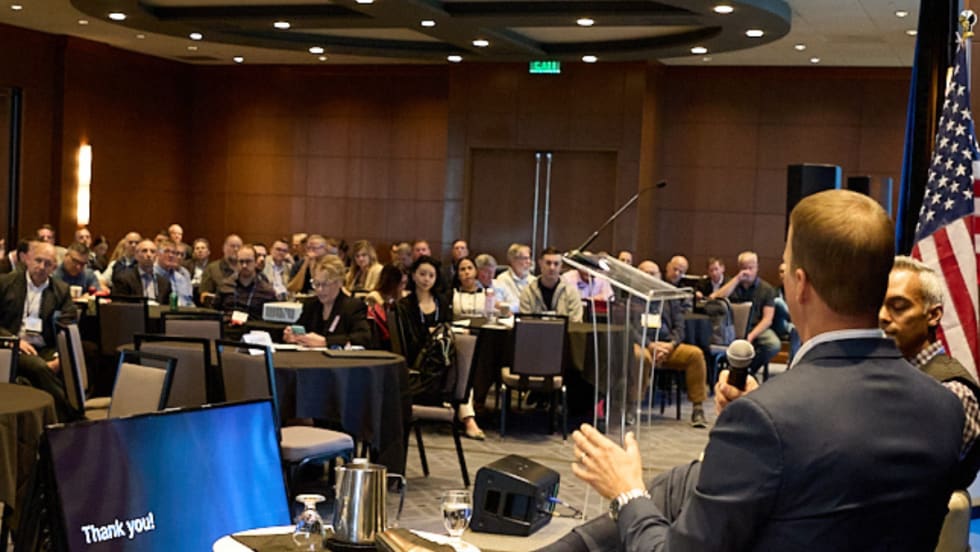
NETS Sets 2026 Fleet Safety Benchmark Conference for Indianapolis
The Sept. 15–17 program will feature fleet benchmarking data, case studies, emerging technologies, and implementation strategies while running alongside the NSC Safety Congress & Expo.
Read More →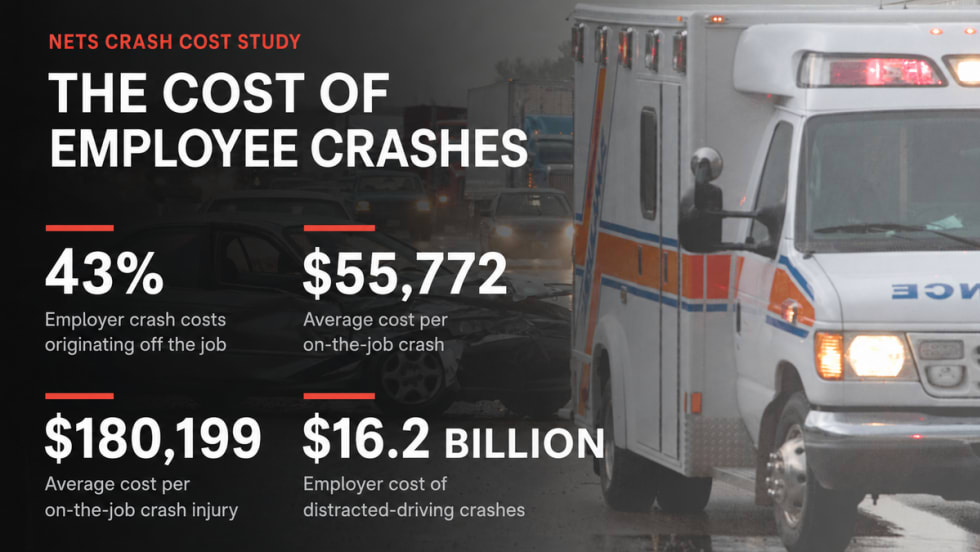
Off-the-Job Crashes Account for 43% of Employers’ $61.7 Billion Crash Burden
NETS quantifies costs dispersed across fleet, risk, HR, and other departments while providing new per-crash benchmarks for employers.
Read More →
Ram Recalls More Than 1.27 Million 1500 Pickups for Seat Belt Anchor Issue
The recall affects certain 2019-2026 Ram 1500 pickups that may have improperly attached second-row seat belt buckle anchors.
Read More →
How Better Visibility Cut Speeding Violations by 48%
Fleet leaders don't need more data, they need clearer visibility into what the data is saying. This case study explores how one utility replaced speeding-event counts with a single metric — miles driven in violation — to strengthen safety and significantly reduce speeding violations.
Read More →
Operation Safe Driver Week: Why the Industry's Oldest Safety Campaign Still Matters to Fleets
A look at how a 2007 enforcement initiative became one of the most consequential weeks on the fleet safety calendar, and what it means for your drivers in 2026.
Read More →