




Video: Driving on Wet Leaves
The autumn brings with it apple picking, stunning fall foliage, and both spooky and satiating holidays. However, autumn also means wet leaves on the roadways and lots of traffic.

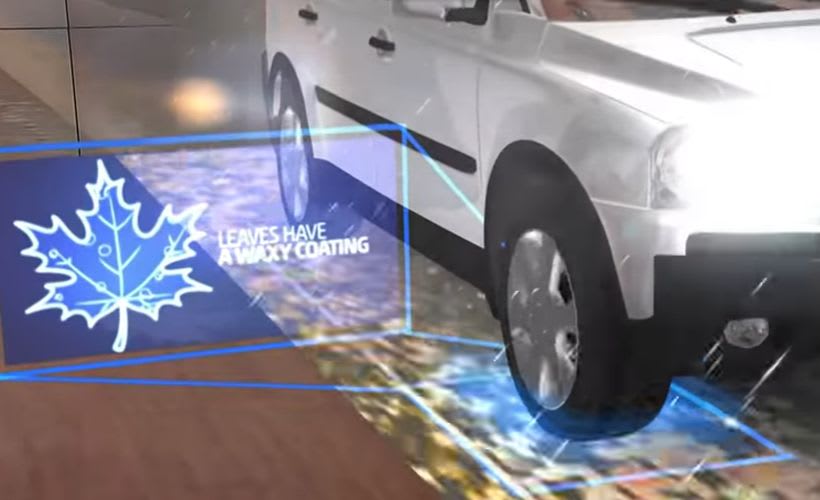
Wet leaves on the roadways and increased traffic can create certain dangers for drivers in the autumn season.
Screenshot via the Weather Channel.
The autumn brings with it apple picking, stunning fall foliage, and both spooky and satiating holidays. However, autumn also means wet leaves on the roadways and lots of traffic, as leaf peepers set out on fall excursions.
As with any of the four seasons, there are specific steps drivers can take to ensure their safety on the roads in autumn. Experts offer the following advice:
Beware of Wet Leaves
Rain and fallen leaves can make for a dangerous combination on the road, resulting in a slippery condition that is similar to driving on ice. In addition to having a significant impact of stopping distance, wet leaf- covered roads can obscure curves, ditches and potholes—so proceed with caution.
Allow More than Twice the Stopping Distance
On those wet leafy roads, it’s imperative to understand that stopping will be extremely difficult. In fact, a car moving at 40mph on a dry road will ordinarily take about 60 feet or four car lengths to come to a full stop. Add wet leaves to that road and the same car traveling at 40 mph will require 150 feet—or 10 full car lengths—to come to a full stop.
Get Ready for Glare
In the fall, the sun rises later and sets earlier in the day, so glare can be a greater problem than at other times of the year. Keep sunglasses handy and make sure your visors are clutter-free and ready to be utilized.
Clean, Check, and Use Headlights
In the fall, dusk comes early and you are likely to be driving at that hour more often—so make sure to use your headlights. In addition, get your headlights cleaned and checked for proper alignment. Dirt and misalignment can reduce the distance a driver can detect objects by up to 30%.
Be Extra Alert for Pedestrians
Because the days are shorter, more joggers, cyclists and children may be out and about at dusk—and more difficult to detect with the changing light at that hour—so be extra alert for their presence.
Check Your Tires
Tires expand and contract with changes in the weather, so stay on top of your tire pressure and make sure they have ample tread.
Maintain Windshield Wipers
It is also imperative to ensure that your wipers are in good condition for autumn rain showers. Experts suggest replacing them every six months.
The Weather Channel has a video about ways to stay safe on the roads this fall.
More Safety

Nexar-Nauto Merger Aims to Give Fleets Better Safety Intelligence Through Larger Driving Dataset
Stefan Heck tells Automotive Fleet that combining more than 10 billion miles of driving history with Nexar's AI models will give fleets deeper insights into driver risk and roadway conditions than either company could provide independently.
Read More →
Don't Wait for a Crisis: 5 Ways to Build Mental Health Into Your Fleet Safety Program
For Suicide Prevention Month, fleet and safety leaders have an opportunity to put mental health where it belongs: at the center of workplace safety.
Read More →
How Camera Data Can Strengthen a Fleet’s Insurance Renewal
Insights from a commercial insurance carrier and a broker show how fleets can turn video telematic data, driver coaching, and improved claims results into a stronger case at insurance renewal.
Read More →
The Safest Fleets Aren’t the Ones with the Most Technology
You’ve made the telematics investment. Here’s how to capture the other half of its value and build the safest fleet on the road.
Read More →
Hidden in Plain Sight: Fleet Compliance Risks
Fleet compliance isn't just about having policies — it's about consistently enforcing them. This practical guide reveals six hidden compliance risks common in public sector and shared fleet operations and outlines proven strategies to improve visibility, accountability, and audit readiness
Read More →
NETS Sets 2026 Fleet Safety Benchmark Conference for Indianapolis
The Sept. 15–17 program will feature fleet benchmarking data, case studies, emerging technologies, and implementation strategies while running alongside the NSC Safety Congress & Expo.
Read More →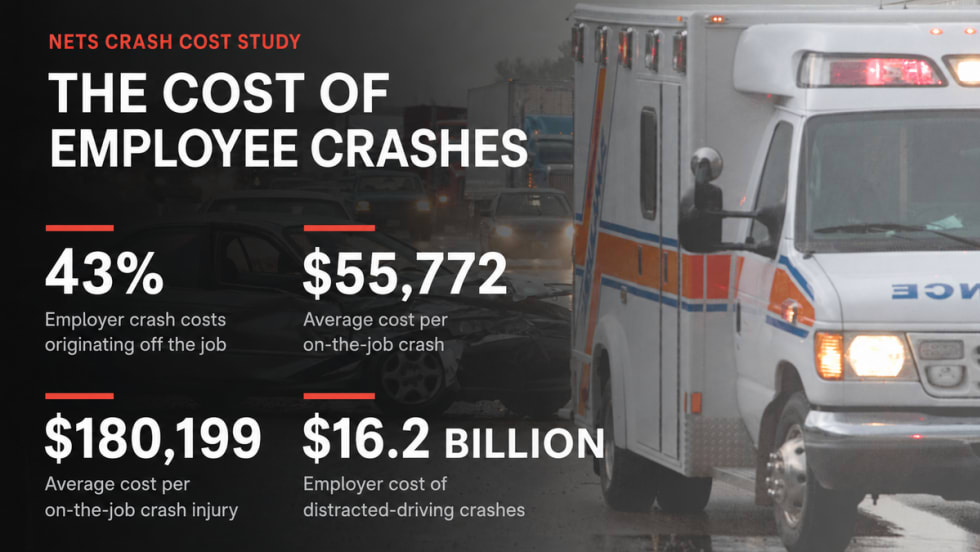
Off-the-Job Crashes Account for 43% of Employers’ $61.7 Billion Crash Burden
NETS quantifies costs dispersed across fleet, risk, HR, and other departments while providing new per-crash benchmarks for employers.
Read More →
Ram Recalls More Than 1.27 Million 1500 Pickups for Seat Belt Anchor Issue
The recall affects certain 2019-2026 Ram 1500 pickups that may have improperly attached second-row seat belt buckle anchors.
Read More →
How Better Visibility Cut Speeding Violations by 48%
Fleet leaders don't need more data, they need clearer visibility into what the data is saying. This case study explores how one utility replaced speeding-event counts with a single metric — miles driven in violation — to strengthen safety and significantly reduce speeding violations.
Read More →
Operation Safe Driver Week: Why the Industry's Oldest Safety Campaign Still Matters to Fleets
A look at how a 2007 enforcement initiative became one of the most consequential weeks on the fleet safety calendar, and what it means for your drivers in 2026.
Read More →