




Video: Driver Texting Ban Proposed for Texas
State Rep. Tom Craddick again introduces a bill prohibiting texting while driving, despite stated opposition from Texas Gov.-Elect Greg Abbott.
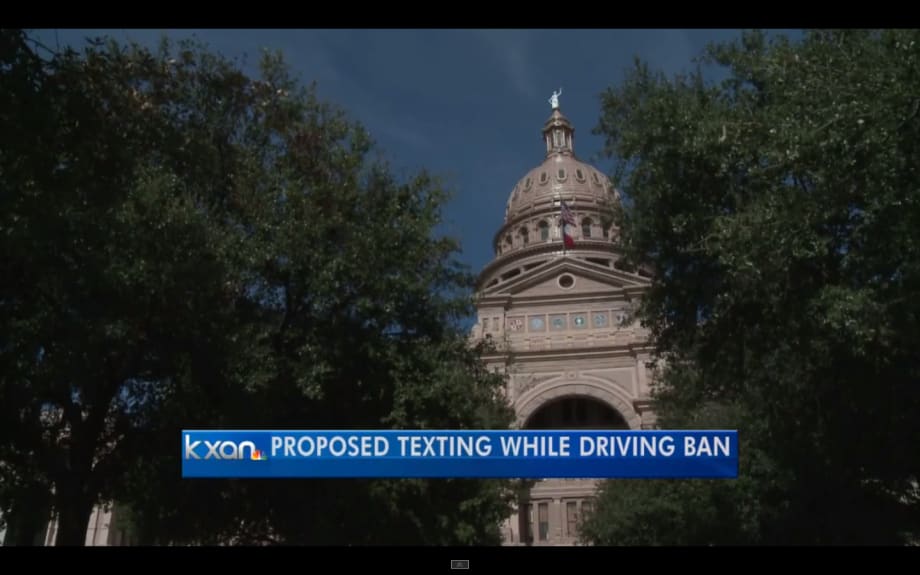
Despite two previous failed attempts, Texas State Rep. Tom Craddick last week again filed proposed legislation aimed at banning texting while driving in the state.
This is the third time Craddick has introduced a bill that would make texting while driving illegal statewide. In 2013, he introduced a similar bill that ultimately died in the Senate Transportation Committee. Back in 2011, legislators passed such a ban but Gov. Rick Perry vetoed the bill.
Opponents of such regulation have argued it would infringe on the privacy of drivers and would be largely unenforceable. Greg Abbott, Texas governor-elect, has already said he opposes such a bill. Like Perry, he has characterized it as an attempt to micromanage the behavior of adult drivers.
The next Texas legislative session doesn’t convene until Jan. 13, but Nov. 10 was the first day legislators could file bills for the upcoming session.
Like the two previous bills, House Bill 80 is named the Alex Brown Memorial Act to honor a Texas teenage girl who died in a single-vehicle crash in 2009 because she took her eyes off the road to text while driving to school.
"Like the Browns, families who have lost a loved one know all too well the dangers of texting while driving," Craddick said. "Not only can crashes cost a life, but texting crashes cost all Texas taxpayers an estimated $1.3 billion in medical care, emergency services, vehicle repairs, insurance premiums and lost productivity and wages."
In 2013, nearly one in five crashes in Texas involved driver distraction, according to the Texas Department of Transportation. There were 95,267 traffic crashes in Texas that involved distracted driving. These crashes resulted in 19,994 serious injuries and 507 deaths.
“Like driving drunk, texting while driving is a dangerous habit that is not just risking the driver's life, it is risking the lives of other drivers, passengers and pedestrians alike," Craddick said. "Writing a text, updating Facebook or checking your email messages is not worth injuring yourself or someone else."
Though Texas currently has no statewide ban for all drivers, the state has several laws in place that regulate texting while driving. State law bans texting while driving for drivers under 18. Additionally, school bus drivers are prohibited from using a cell phone while driving with children on the bus, and drivers cannot use a cell phone or other handheld wireless device in an active school zone where signs are present.
About 38 Texas cities have adopted a local ordinance banning texting while driving, along with a handful that ban any type of handheld cell phone use.
Craddick’s bill would prohibit reading, typing or sending a text while driving. The ban would also cover electronic text-based communication such as e-mails and instant messaging. A first offense would carry a fine of $25-$99. Penalties for subsequent offenses would climb to $100-$200.
To view a KXAN News report on the bill, click on the photo or link above.
More Safety

Nexar-Nauto Merger Aims to Give Fleets Better Safety Intelligence Through Larger Driving Dataset
Stefan Heck tells Automotive Fleet that combining more than 10 billion miles of driving history with Nexar's AI models will give fleets deeper insights into driver risk and roadway conditions than either company could provide independently.
Read More →
Don't Wait for a Crisis: 5 Ways to Build Mental Health Into Your Fleet Safety Program
For Suicide Prevention Month, fleet and safety leaders have an opportunity to put mental health where it belongs: at the center of workplace safety.
Read More →
How Camera Data Can Strengthen a Fleet’s Insurance Renewal
Insights from a commercial insurance carrier and a broker show how fleets can turn video telematic data, driver coaching, and improved claims results into a stronger case at insurance renewal.
Read More →
The Safest Fleets Aren’t the Ones with the Most Technology
You’ve made the telematics investment. Here’s how to capture the other half of its value and build the safest fleet on the road.
Read More →
Hidden in Plain Sight: Fleet Compliance Risks
Fleet compliance isn't just about having policies — it's about consistently enforcing them. This practical guide reveals six hidden compliance risks common in public sector and shared fleet operations and outlines proven strategies to improve visibility, accountability, and audit readiness
Read More →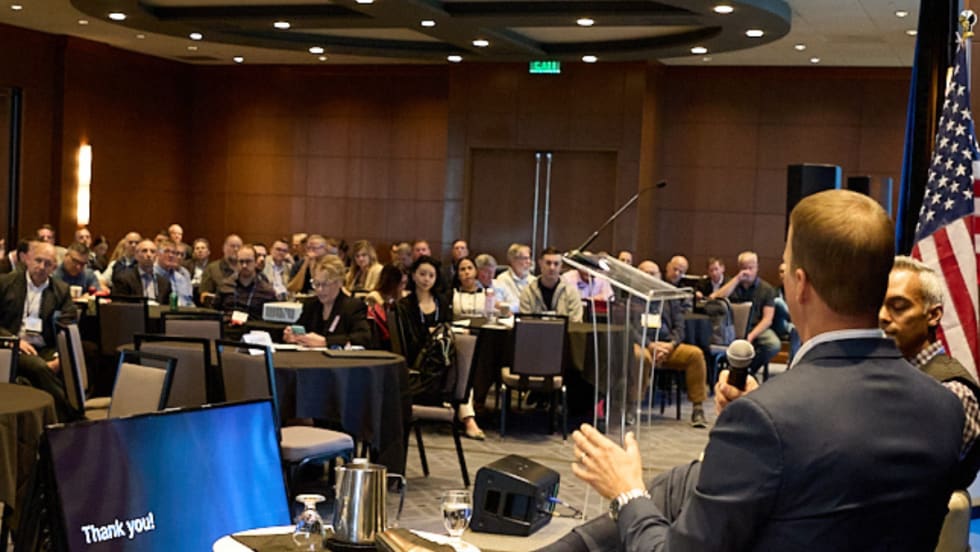
NETS Sets 2026 Fleet Safety Benchmark Conference for Indianapolis
The Sept. 15–17 program will feature fleet benchmarking data, case studies, emerging technologies, and implementation strategies while running alongside the NSC Safety Congress & Expo.
Read More →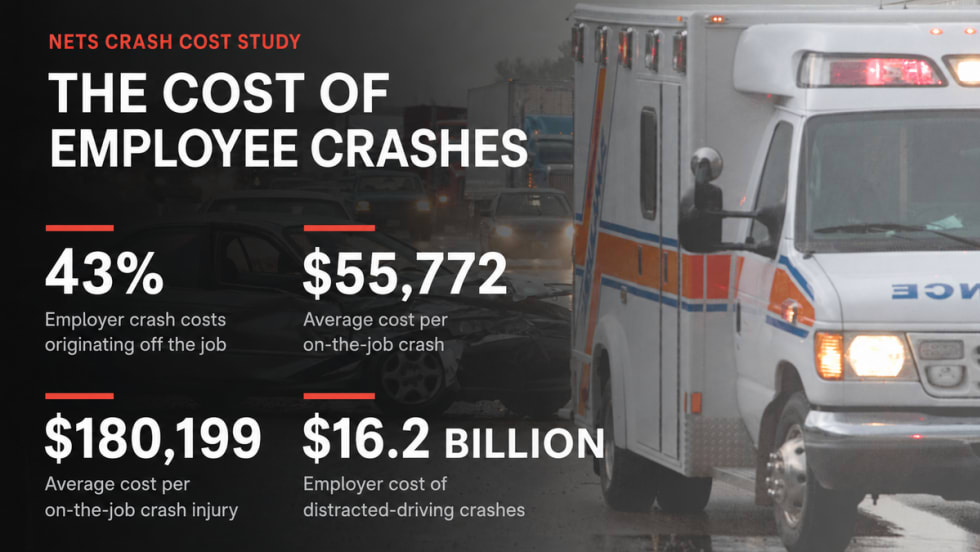
Off-the-Job Crashes Account for 43% of Employers’ $61.7 Billion Crash Burden
NETS quantifies costs dispersed across fleet, risk, HR, and other departments while providing new per-crash benchmarks for employers.
Read More →
Ram Recalls More Than 1.27 Million 1500 Pickups for Seat Belt Anchor Issue
The recall affects certain 2019-2026 Ram 1500 pickups that may have improperly attached second-row seat belt buckle anchors.
Read More →
How Better Visibility Cut Speeding Violations by 48%
Fleet leaders don't need more data, they need clearer visibility into what the data is saying. This case study explores how one utility replaced speeding-event counts with a single metric — miles driven in violation — to strengthen safety and significantly reduce speeding violations.
Read More →
Operation Safe Driver Week: Why the Industry's Oldest Safety Campaign Still Matters to Fleets
A look at how a 2007 enforcement initiative became one of the most consequential weeks on the fleet safety calendar, and what it means for your drivers in 2026.
Read More →