




Verizon to Add 300 CNG Vans to Calif. Truck Fleets
HEMET, CA - The 300 new vans being retrofitted by Steelweld Equipment Co. will be used in Southern California by Verizon technicians who install and repair broadband, TV, and voice communications services for the company's residential and small-business customers.
HEMET, CA - Verizon's first major introduction of environmentally-friendly compressed natural gas (CNG) vehicles to its truck fleets in California is being led by workers at the Hemet facility of Steelweld Equipment Co., a woman-owned business headquartered in St. Clair, Mo.
Verizon has contracted with Steelweld to convert 300 gasoline-powered Ford E-250 cargo vans to CNG, a move that will reduce vehicle carbon emissions by 480 tons per year, according to the telecommunications company. On average, CNG engines emit 23-percent less carbon dioxide than comparable gasoline-powered vans.
The 300 new vans being retrofitted by Steelweld will be used in Southern California by Verizon technicians who install and repair broadband, TV, and voice communications services for the company's residential and small-business customers.
"These new CNG vans aren't the first alternative fuel vehicles we've deployed in California, but they constitute one of our largest introductions to date," said Margaret Serjak, Verizon's operations president in California.
The 300 vans are among the more than 1,600 alternative energy vehicles that Verizon plans to add to its nationwide fleet this year. The total also includes 470 vehicles powered by biodiesel and flex-fuel (E85) and will increase to more than 1,800 the number of alternative energy vehicles in Verizon's fleet by the end of 2010. The program is expected to help reduce the fleet's CO2 emissions by more than 2,400 metric tons annually.
In addition to replacing traditional fuel vehicles with cleaner, lower-carbon alternatives, Verizon employees have been reducing CO2 emissions by cutting engine idling times. Since 2008, Verizon employees have conserved more than 2.7 million gallons of fuel in this manner, the equivalent amount of greenhouse gas emitted by about 4,580 vehicles annually.
On the other side of the country, Verizon also recently announced the addition of more than 260 hybrid vehicles to its New Jersey fleet this year as part of its ongoing commitment to conserving fuel, reducing greenhouse gas emissions, and contributing to improved air quality in the communities it serves across the Garden State.
Verizon New Jersey officials, joined by Bob Martin, commissioner of the New Jersey Department of Environmental Protection (DEP), made the announcement Sept. 30 at the company's corporate center in Basking Ridge.
The new vehicles - part of the 1,600 alternative-energy vehicles Verizon plans to add to its fleet across the country this year - will include Toyota hybrid sedans, Chevrolet hybrid pickup trucks and unique, new "mild hybrid" aerial fiber splicing trucks.
The Chevrolet hybrid pickups will be used by FiOS and traditional telephone customer-service technicians and are expected to reduce CO2 emissions by 43 percent over the vans they will replace.
Verizon is ranked No. 3 on Automotive Fleet's 2010 Top 300 Commercial Fleets listing.
Related stories:
More Green Fleet

EV Charging Use Is Outpacing Infrastructure Growth
ChargePoint’s 2026 Charging Forward Report points to rising charger use, higher-powered charging, commercial vehicle electrification, and energy-management technology. Here’s what fleets should know.
Read More →
Merchants Fleet Reports 290M EV Miles as Fleets Navigate Changing Electrification Market
From millions in operating savings to hundreds of millions of EV miles, Merchants Fleet’s latest report reveals what’s working and what’s changing in fleet electrification.
Read More →
The EV Breakdown Nobody's Talking About: Why Most Electric Vehicle Roadside Calls Aren't Mechanical Failures
Here's why EV breakdowns are widely misunderstood.
Read More →
ChargePoint Now Available in Energy Pass
ChargePoint and additional planned charging network integrations were added to GM's Energy Pass.
Read More →

First Look: Slate Auto's Electric Fleet Pickup
Could an affordable, modular EV pickup make electrification more practical for fleets?
Read More →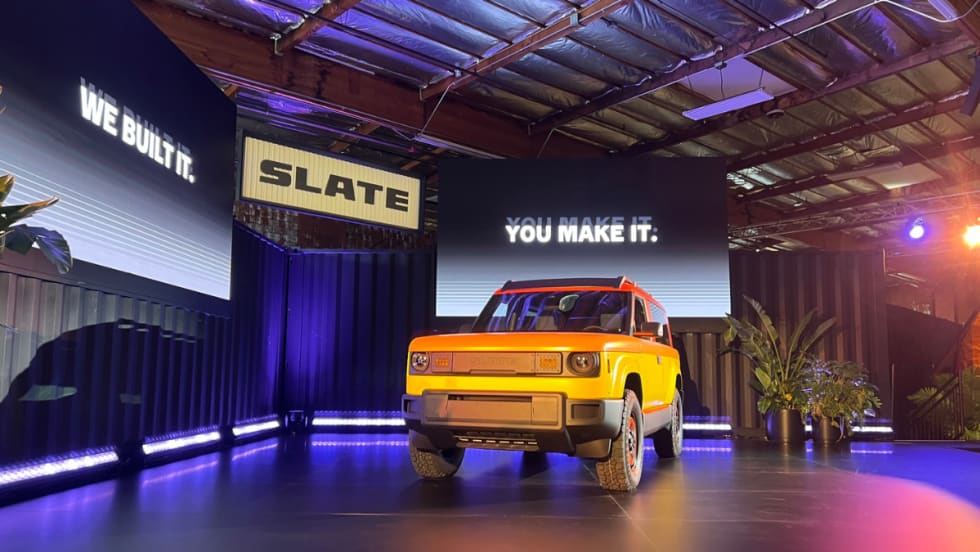
Slate Debuts Colorful, Unique EV Models
A recent media and client event, studded with electric vehicles dressed up on platforms, planted a new position for the manufacturer in the wider EV market. Fleets will find cost-saving advantages.
Read More →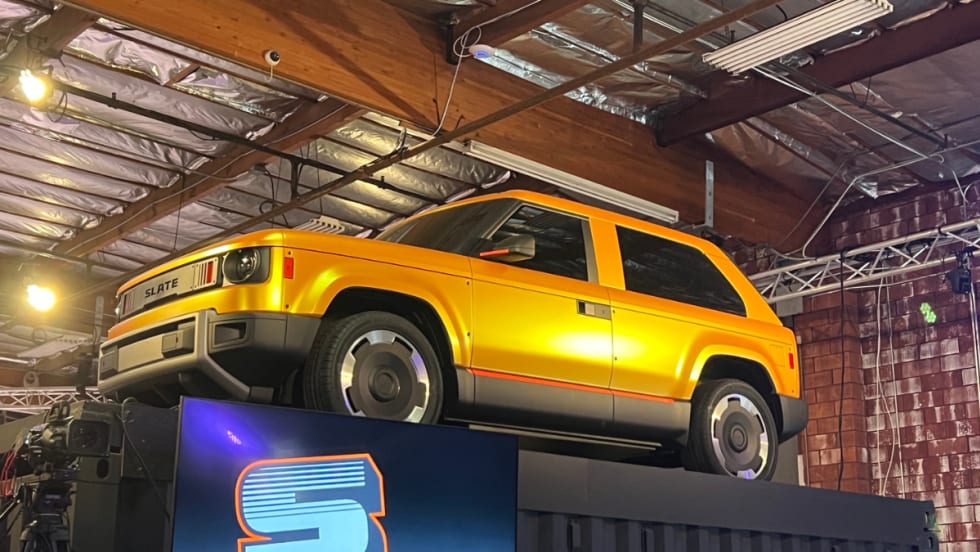
Slate Electric SUV, Pickup Switchable Model Aims For Light-Duty Fleets
Everything about this EV is counterintuitive and understated, making it stand out from the crowd.
Read More →
Inspiration Mobility Acquires Key Electrada Assets
Inspiration Mobility Group has acquired select assets of Electrada, adding the fleet electrification provider's team, technology, and charging infrastructure development capabilities to its energy management business.
Read More →
Turning Connected Vehicle Data Into Decisions That Matter
Fleet leaders have more data than ever, but turning that data into clear, actionable decisions remains a challenge. This white paper shows how leading organizations are using connected vehicle data to improve safety, reduce costs, and optimize fleet performance. Learn how to turn insight into action across your fleet.
Read More →