




Verizon Converting 501 New Ford E-Series Vans to Run on Natural Gas
DEARBORN, MI - Verizon, expects to save 1.62 metric tons of CO2 each year by adding 501 Ford E-250 cargo vans upfitted with clean-burning compressed natural gas (CNG) engine packages versus conventional gas models.
DEARBORN, MI - Verizon, a global leader in delivering broadband and other wireless and wireline communications services, expects to save 1.62 metric tons of CO2 each year by adding 501 Ford E-250 cargo vans upfitted with clean-burning compressed natural gas (CNG) engine packages versus conventional gas models.
Verizon's purchase and upfitting of the 2010 Ford E-250 vans is part of the company's comprehensive sustainability effort designed to conserve energy, reduce greenhouse gas emissions and contribute to improved air quality in the communities it serves, according to Ken McKenney, Sustainable Fleet-Technical Engineering Lead for Verizon.
"Verizon's fleet team is constantly on the watch for new, lower-carbon technology," McKenney said. "CNG is a leading alternative fuel choice right now, so converting these cargo vans to run on the cleaner-burning fuel helps us cut CO2 emissions and fuel consumption. We will continue to find ways to increase the efficiency of our fleet."
Cargo vans represent the single largest group of vehicles in Verizon's vehicle fleet. They are primarily used by technicians who install and maintain phones and FiOS TV and Internet services for homes and businesses. The CNG-equipped Ford E-250 vans will be used in key Verizon markets throughout the country that have retail infrastructures in place for fueling.
The vehicles are being converted to CNG by BAF, a wholly owned subsidiary of Clean Energy Fuels Corp.
"Verizon's deployment of natural gas-fueled vehicles sets a powerful example for fleet operators across America to emulate," said John Bacon, president of BAF. "Use of natural gas for fleets is a trend that is rapidly gaining momentum in many U.S. industry sectors. Because it is abundant and renewable, and cleaner and cheaper than gasoline or diesel fuel, natural gas can carry us forward to a sustainable future."
The BAF CNG vehicle upfits for Verizon will be completed at Steelweld Equipment Company in Hemet, Calif., and Temple, Texas, and at North American Equipment Upfitters in Hooksett, N.H. Both Steelweld and North American Equipment Upfitters are women-owned businesses and participants in Verizon's Supplier Diversity program. Verizon purchased the vans from Ukiah Ford in Ukiah, Calif., a minority-owned business.
Verizon's sustainability program is multifaceted. In addition to replacing more than 1,100 traditional fuel vehicles with cleaner, lower-carbon alternatives and increasing its use of biodiesel and flex-fuel (E85) to power 470 vehicles, Verizon employees have been reducing CO2 emissions by cutting engine idle times. Since 2008, drivers of Verizon vehicles have conserved more than 2.7 million gallons of fuel, the equivalent amount of greenhouse gases emitted by about 4,580 vehicles annually.
More Green Fleet

Merchants Fleet Reports 290M EV Miles as Fleets Navigate Changing Electrification Market
From millions in operating savings to hundreds of millions of EV miles, Merchants Fleet’s latest report reveals what’s working and what’s changing in fleet electrification.
Read More →
The EV Breakdown Nobody's Talking About: Why Most Electric Vehicle Roadside Calls Aren't Mechanical Failures
Here's why EV breakdowns are widely misunderstood.
Read More →
ChargePoint Now Available in Energy Pass
ChargePoint and additional planned charging network integrations were added to GM's Energy Pass.
Read More →
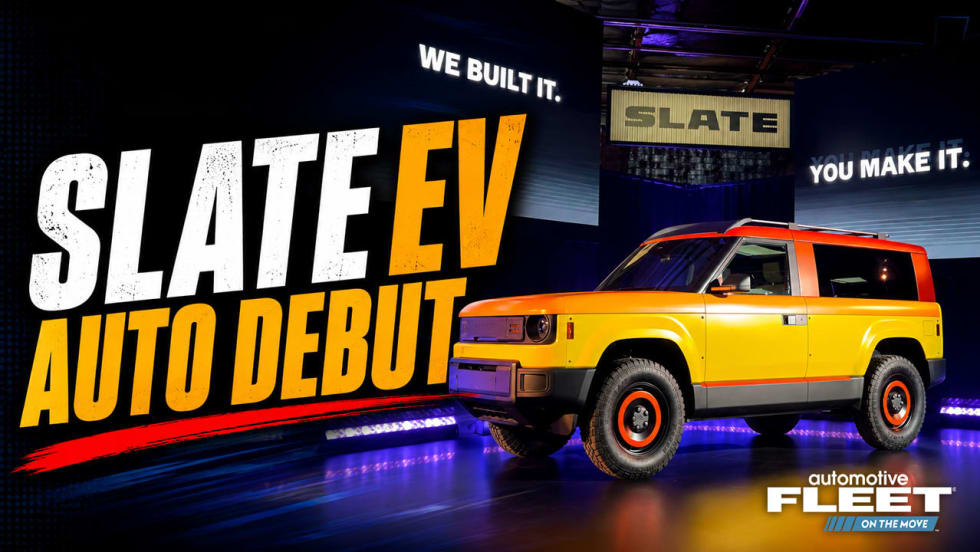
First Look: Slate Auto's Electric Fleet Pickup
Could an affordable, modular EV pickup make electrification more practical for fleets?
Read More →
Slate Debuts Colorful, Unique EV Models
A recent media and client event, studded with electric vehicles dressed up on platforms, planted a new position for the manufacturer in the wider EV market. Fleets will find cost-saving advantages.
Read More →
Slate Electric SUV, Pickup Switchable Model Aims For Light-Duty Fleets
Everything about this EV is counterintuitive and understated, making it stand out from the crowd.
Read More →
Inspiration Mobility Acquires Key Electrada Assets
Inspiration Mobility Group has acquired select assets of Electrada, adding the fleet electrification provider's team, technology, and charging infrastructure development capabilities to its energy management business.
Read More →
Turning Connected Vehicle Data Into Decisions That Matter
Fleet leaders have more data than ever, but turning that data into clear, actionable decisions remains a challenge. This white paper shows how leading organizations are using connected vehicle data to improve safety, reduce costs, and optimize fleet performance. Learn how to turn insight into action across your fleet.
Read More →
Are You Tracking Your Fleet's True Total Cost of Ownership?
Bobit Business Media surveyed 190 fleet professionals and found that while most fleets are tracking costs, fragmented systems and data gaps are keeping true TCO visibility out of reach. With rising pressure to control spend in an increasingly volatile environment, the gap between what fleets think they know and what the data actually shows is wider than you might expect. See how your peers are managing costs today and where the industry still has room to improve.
Read More →