




The number of vehicles recalled rose more than 25 percent in 2007, but the biggest recalls mostly involved older models, the Detroit News reported. Overall, 14.2 million vehicles were recalled this year, compared to 11.2 million in 2006. But that's still well below the 30.8 million recalled in 2004, according to preliminary figures from the National Highway Traffic Safety Administration. This year's increase can be attributed largely to a jump at Ford Motor Co., which recalled 5.5 million vehicles this year, the Detroit News reported. About 4.8 million of those were from 2004 and earlier model years. Most were recalled for the cruise control deactivation switch the automaker has been dealing with for years. The other top five automakers saw their recall numbers decline. GM recalled 537,992 vehicles as of Dec. 21, a 61 percent drop from 1.37 million in 2006. Honda Motor Co. saw a 54 percent decrease to 547,215 vehicles, from 1.19 million in 2006. Chrysler LLC and Toyota Motor Corp. also recalled fewer vehicles. Volkswagen of America recalled 1.5 million vehicles, mostly by expanding recalls of parts used in multiple vehicles.
Vehicle Recalls Up More than 25 Percent in 2007
The number of vehicles recalled rose more than 25 percent in 2007, but the biggest recalls mostly involved older models, the Detroit News reported.
More Safety

Reducing Risk by Eliminating Phone Use Behind the Wheel
Distracted driving remains one of the most persistent risks in fleet operations. New approaches focus on removing mobile device use entirely while adding real-time safety support.
Read More →
Distracted Driving in the Age of Smart Tech – Part 2
As distraction risks evolve, fleets are turning to smarter, more connected technologies to better understand what’s happening behind the wheel. Part 2 explores how these tools are helping identify risky behaviors and improve visibility across operations.
Read More →
Data Rights, Risks, and Responsibilities After a Crash
What fleets capture to improve safety can also expose them in litigation, forcing leaders to rethink how data is managed, stored, and shared.
Read More →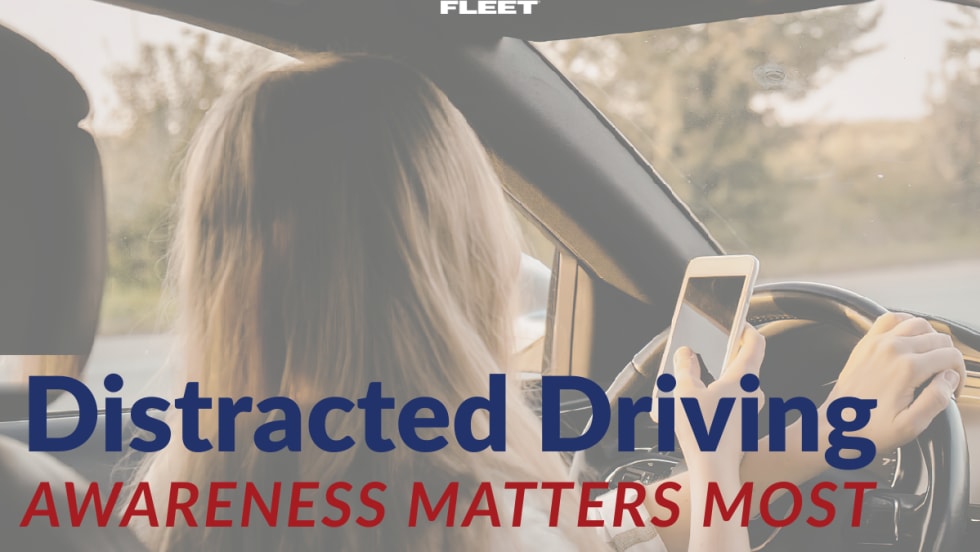
From Distraction to Detection: Strengthening Awareness in Fleet Drivers
Distracted driving is often measured by what we can see—phones in hand, eyes off the road. But what about the distractions we can’t? A recent incident raises a bigger question about awareness, attention, and why subtle risks so often go unnoticed.
Read More →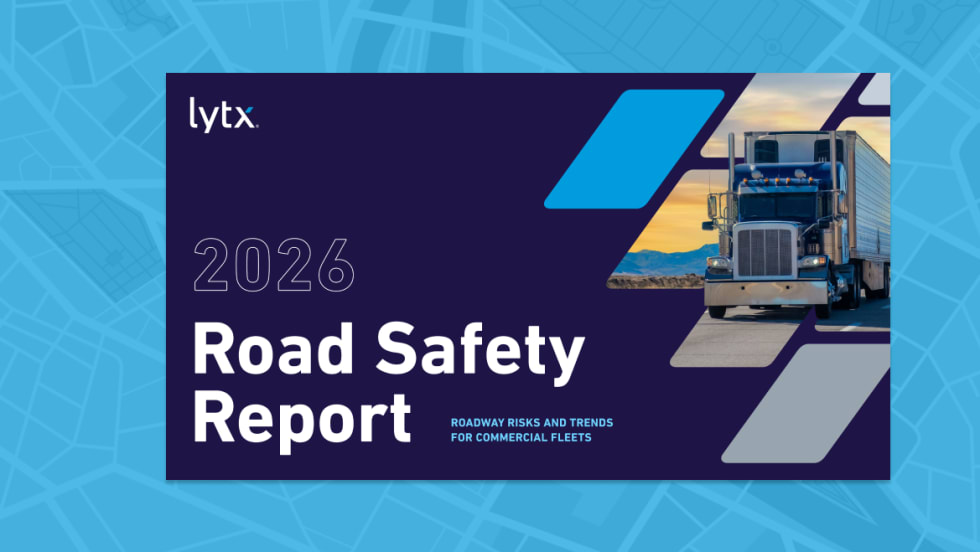
Lytx 2026 Road Safety Report
While serious crashes are declining, a rise in minor incidents and ongoing risk hotspots underscore the need for continued fleet safety investment.
Read More →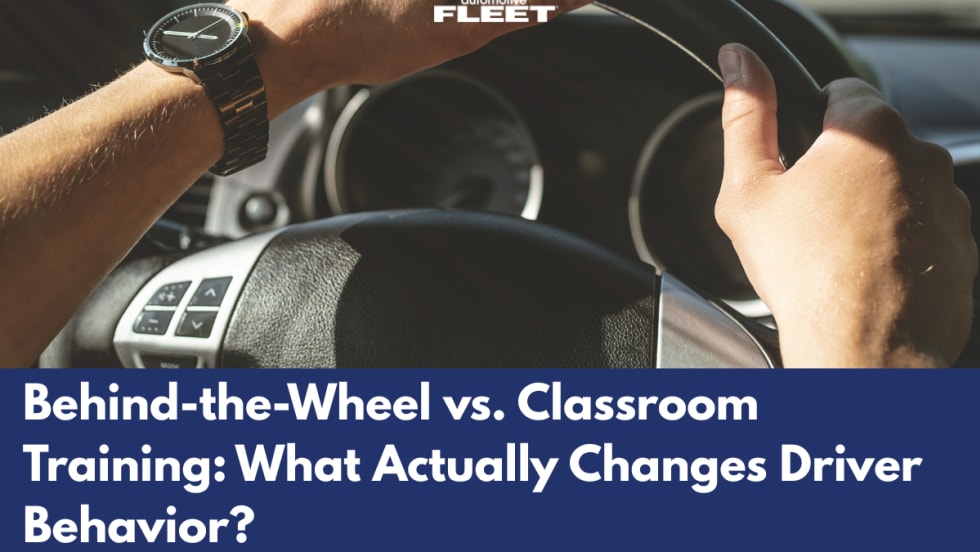
Behind-the-Wheel vs. Classroom Training: What Actually Changes Driver Behavior?
Fleets have more driver data than ever, so why isn't behavior changing? Training requires more than reports and coaching — it requires real-world practice.
Read More →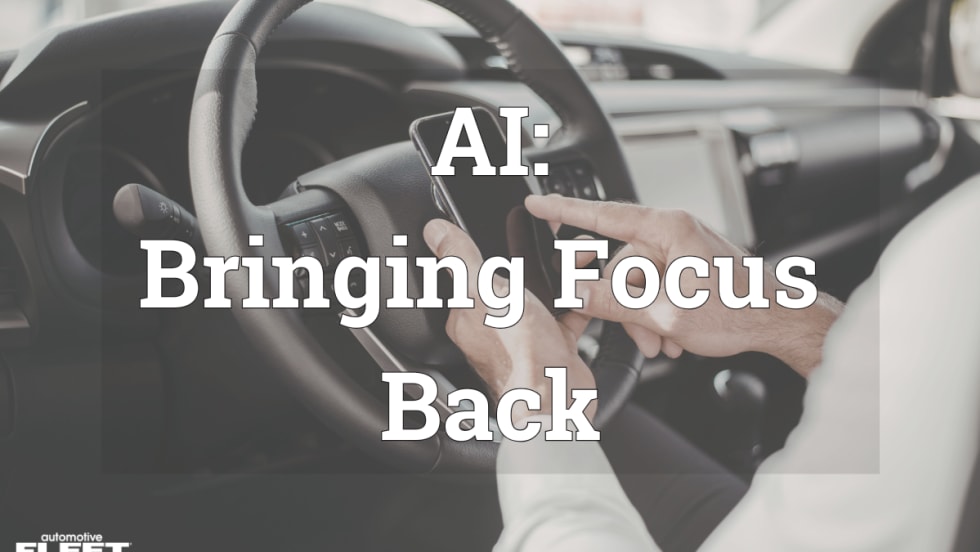
Distracted Driving in the Age of Smart Tech – Part 1
A two-part conversation with Stefan Heck on how AI is transforming the fight against distracted driving. As fleets adopt smarter tools, the focus shifts from reacting to preventing risk. In Part 1, we look at where AI is making an impact for fleets today.
Read More →
Pedestrian Safety Starts With the Driver
More people on foot means more risk for drivers. These pedestrian safety tips can help prevent serious injuries and keep everyone safer on the road.
Read More →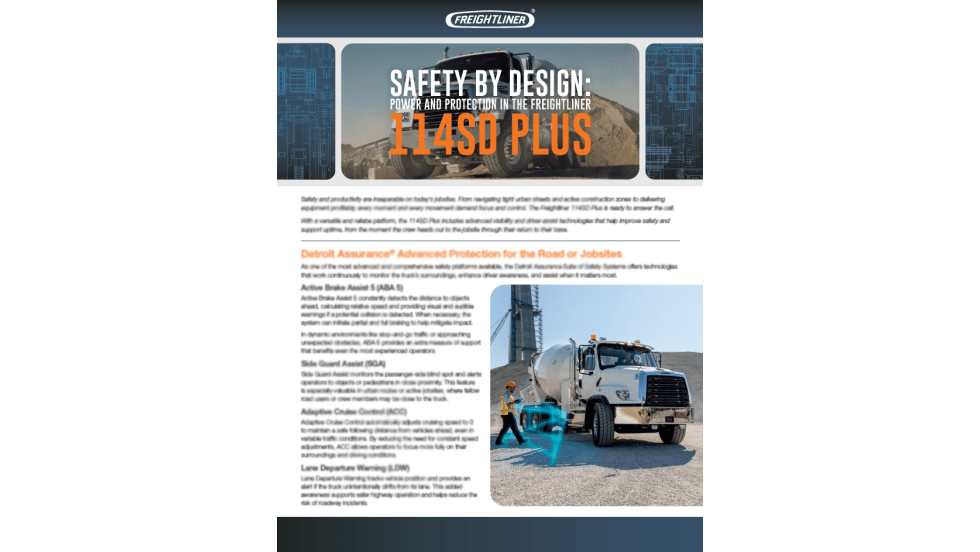
Safety by Design: Power and Protection in the Freightliner 114SD Plus
Fleet managers are under pressure to reduce accidents, control costs, and improve operational efficiency. See how advanced vehicle safety technologies are helping fleets operate smarter and safer.
Read More →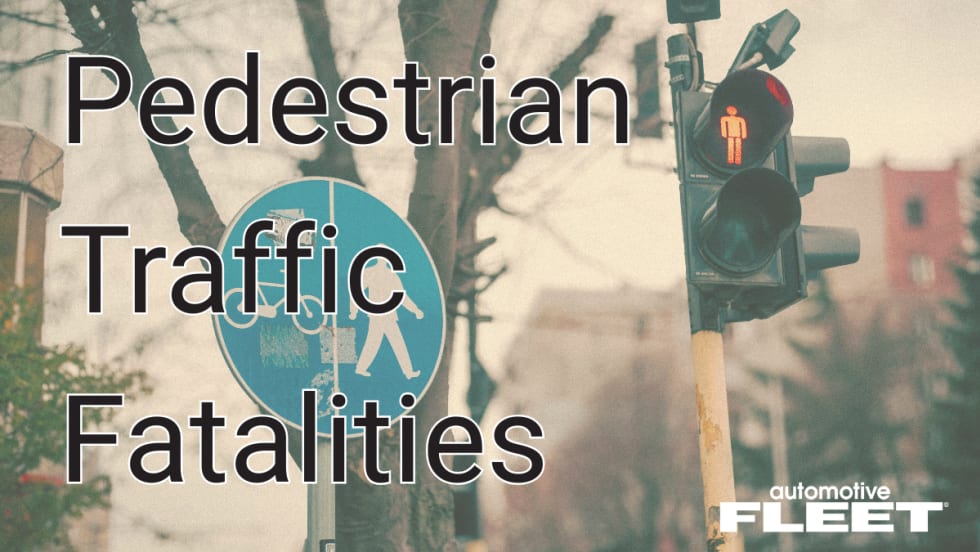
Pedestrian Deaths Drop in First Half of 2025, Marking Largest Decline in Years
An 11% drop in pedestrian fatalities in early 2025 signals progress in U.S. road safety, but elevated death rates and ongoing risks underscore the need for continued action from fleets and policymakers.
Read More →