




Valvoline Offers Oil for Natural Gas, Diesel, and Gasoline Engines
Valvoline says its new Premium Blue One Solution 9200 is the first engine oil approved for use in natural gas, diesel, and gasoline engines.
March 7, 2018


Valvoline's Premium Blue One Solution 9200 engine oil is approved for use in natural gas, diesel, and gasoline engines. Image: Valvoline
2 min to read

Valvoline's Premium Blue One Solution 9200 engine oil is approved for use in natural gas, diesel, and gasoline engines.Image: Valvoline
Valvoline says its new Premium Blue One Solution 9200 is the first engine oil approved for use in natural gas, diesel, and gasoline engines.
“The purpose of Premium Blue One Solution is to dramatically simplify the fill process for fleet managers, enabling one proven product to be used across a number of engine applications,” said David Young, vice president of Valvoline Heavy Duty, in an announcement at the Technology & Maintenance Council’s annual meeting in Atlanta, Georgia.
Valvoline Premium Blue One Solution was initially developed as part of Valvoline’s close relationship with Cummins Westport, which has introduced a new series of low-emission natural gas engines.
The resulting engine oil is available in 10W-30 and 15W-40 SAE viscosity grades. Valvoline says it offers excellent oxidation resistance and TBN retention to support long oil life. At the same time, Valvoline says, it offers outstanding wear protection and superior deposit protection compared to industry requirements. And the viscosity shear stability is “amazing,” says Roger England, technical director. As a result, Valvoline says oil drain intervals will be able to be extended.
Valvoline Premium Blue One Solution meets API API CK-4 diesel category and API SN gasoline requirements. It’s endorsed by Cummins and meets the new Cummins CES 20092 spec for natural gas engines, as well as CES 20086 and CES 20085 approvals. It also meets Mack EOS-4.5, Volvo VDS-4.5, and Detroit Diesel DFS 93K222 specs.
“While there were previously oils in the marketplace that could be used in diesel and gas engines, there was not one approved across all fuel types – until now,” Young added.
England told HDT that the ability to develop a single oil for the three types of engines was made possible by changes in engine combustion technology. As today’s engines have been designed to be more efficient, he explained, they run hotter and at higher pressures – which present oil challenges similar to those faced by oils for natural gas engines.
Pricing is still being finalized, but the oil will be priced similar to other natural gas oils, which is higher than typical diesel oils.
More Maintenance

Sponsored•October 1, 2026
Fleet Manager’s Ultimate Playbook: Navigating the New Standard in OEM Connectivity
Rising operating costs, driver safety concerns, and unplanned downtime are putting unprecedented pressure on modern fleets. Discover how fleet managers use embedded OEM connectivity and real-time vehicle data to cut TCO, prevent downtime, and protect drivers without aftermarket telematics hardware.
Read More →
How Can Fleet Managers Tell Which Repairs Require Closer Review?
Fleetio’s Brianna Perry demonstrates how Service Advisor evaluates maintenance requests, identifies pricing anomalies, and provides the context fleet managers need to focus their attention on potential problems.
Read More →
Why Roadside Assistance Belongs in a Fleet Risk Strategy
Roadside assistance is more than a tow. See how the right partner can protect drivers, uncover fleet trends, and strengthen your risk strategy.
Read More →
Sponsored•August 7, 2026
Hidden in Plain Sight: Fleet Compliance Risks
Fleet compliance isn't just about having policies — it's about consistently enforcing them. This practical guide reveals six hidden compliance risks common in public sector and shared fleet operations and outlines proven strategies to improve visibility, accountability, and audit readiness
Read More →
How Maintenance Costs Compare Across 27 Fleet Vehicles
Vincentric’s three-year, 60,000-mile projections reveal wide differences for both scheduled and unscheduled maintenance among selected vehicle categories. Projected maintenance visits also play a factor.
Read More →
The EV Breakdown Nobody's Talking About: Why Most Electric Vehicle Roadside Calls Aren't Mechanical Failures
Here's why EV breakdowns are widely misunderstood.
Read More →
How Stellantis Plans to Get Ahead of Fleet Downtime
Keeping fleet vehicles on the road has become as important as buying them. Darren Bradshaw of Mopar North America explains how connected vehicle data, AI, and proactive service strategies are helping Stellantis reduce downtime and move closer to predictive maintenance.
Read More →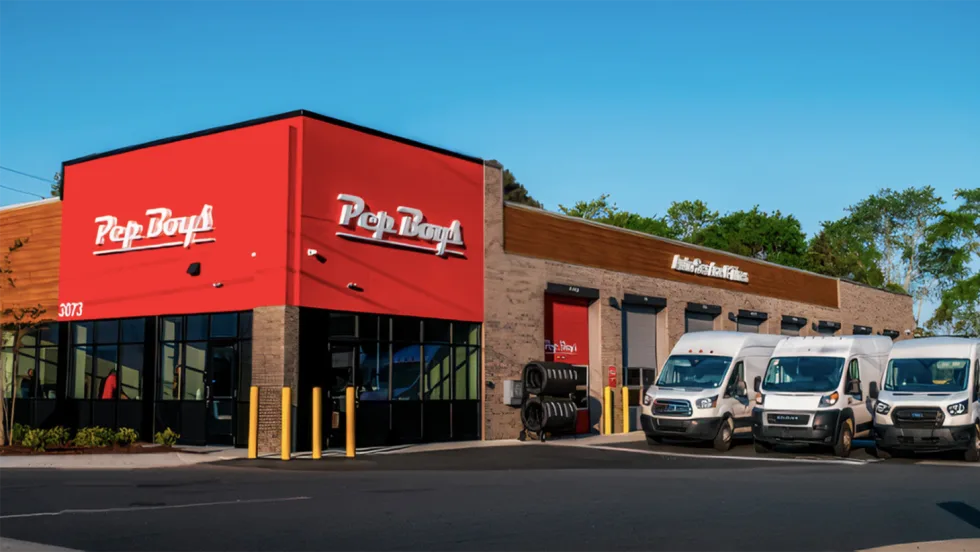
Merchants Fleet Expands Maintenance Network with Pep Boys
Merchants Fleet has expanded its relationship with Pep Boys, increasing the service provider's role within its national maintenance network. The move is intended to enhance maintenance coordination and support commercial fleets through Pep Boys' nationwide footprint.
Read More →
The Two Biggest Summer Downtime Threats for Fleets
A conversation with a maintenance expert reveals the two most common summer maintenance pains and how to prevent them.
Read More →
From Marine Corps Motor Pool to Managing 460 Fleet Vehicles
Cesar Ayala of O’Connell Landscape Maintenance shares how he transitioned from the Marine Corps to managing a 460-vehicle fleet—and the real-world challenges of maintenance, compliance, and driver management in California.
Read More →