





Want More? Creating Data That Can Help Drive Electric Fleet Vehicles
Utilimarc EV Consortium Delivers Real-World EV Performance Data for Fleets
The Consortium pools vast amounts of operational and charging data from member fleets onto its platform, allowing them to make data-driven decisions as they expand on electrification efforts.
February 1, 2024
The Utilimarc Electric Vehicle Consortium emphasizes a data-driven methodology, pooling vast amounts of operational and charging data from member fleets onto its platform.
Photo: Utilimarc/Canva/Automotive Fleet
2 min to read
Utilimarc has introduced its Electric Vehicle Consortium (EVC), a meeting of minds designed to bring real-world EV performance data to fleet managers.
Designed for Fleet Managers, with Data from Real Fleets
Utilimarc has designed the EVC to extract data on tangible, day-to-day operational performance of EVs in a fleet setting.
"The industry has been lacking real-world data that is immensely critical to operations today," Utilimarc President Mike Nowak said. "There are a lot of mandates and orders to electrify, and fleet managers need to be able to know more about the performance and evaluation of this new technology."
At the center of the consortium is a community of fleet managers and analysts fostering hands-on learning opportunities and collaborative discussion surrounding EV data.
The EVC's latest findings provide organizations and industry stakeholders with EV performance metrics from other fleets to help them make decisions.
“Being part of the Utilimarc EV Consortium has allowed us to benchmark our fleet electrification strategy, giving us insight into performance across sectors nationwide," Arizona Public Service CompanyTransportation Strategy & Planning Leader Cresencio Celaya told Automotive Fleet.
Key focal areas include:
Maintenance cost comparisons
Utilization patterns
Charging infrastructure efficiency
Sustainability goals progression
The Consortium, which has 18 members and counting as of Feb. 1, allows members to support and learn from each other via quarterly meetings, roundtable discussions, and best-practice presentations.

The Consortium provides a space for members to support and learn from each other via quarterly meetings, roundtable discussions, and best-practice presentations.
Photo: Utilimarc
Together, members seek to answer questions like these:
How do maintenance costs and downtime hours differ between EVs and ICE vehicles?
What is the average amount of time and miles between charges for my electric sedans and pickup trucks?
What is the average cost in maintaining my electric sedans and pickup trucks?
As the Consortium gains new members, the collected data will grow, allowing for greater insights.
Data-Driven Analytics
The Consortium emphasizes a data-driven methodology, pooling vast amounts of operational and charging data from member fleets onto its platform.
This approach ensures a more substantial, non-biased, and statistically reliable data set, enabling more accurate and actionable insights for fleet managers trying to become more proactive in advancing their electrification and sustainability strategies for their organizations.
The Consortium supports data from a variety of fleet and asset management software systems.
Data is currently collected on light-duty vehicles and will expand to medium- and heavy-duty vehicles once they become more universally available and consortium members add them to their fleets.
The data collected includes vehicle inventory data, fuel data, work order data, telematics data, charging station data, and more.
More Green Fleet
Sponsored•October 1, 2026
New Propane Autogas Program Offers Fleet Compensation
Qualified commercial fleets can receive $7,500 per eligible propane autogas vehicle and up to $10,000 for new refueling site prep. Learn how the program works and see whether your fleet qualifies.
Read More →
EV Charging Use Is Outpacing Infrastructure Growth
ChargePoint’s 2026 Charging Forward Report points to rising charger use, higher-powered charging, commercial vehicle electrification, and energy-management technology. Here’s what fleets should know.
Read More →
Merchants Fleet Reports 290M EV Miles as Fleets Navigate Changing Electrification Market
From millions in operating savings to hundreds of millions of EV miles, Merchants Fleet’s latest report reveals what’s working and what’s changing in fleet electrification.
Read More →
The EV Breakdown Nobody's Talking About: Why Most Electric Vehicle Roadside Calls Aren't Mechanical Failures
Here's why EV breakdowns are widely misunderstood.
Read More →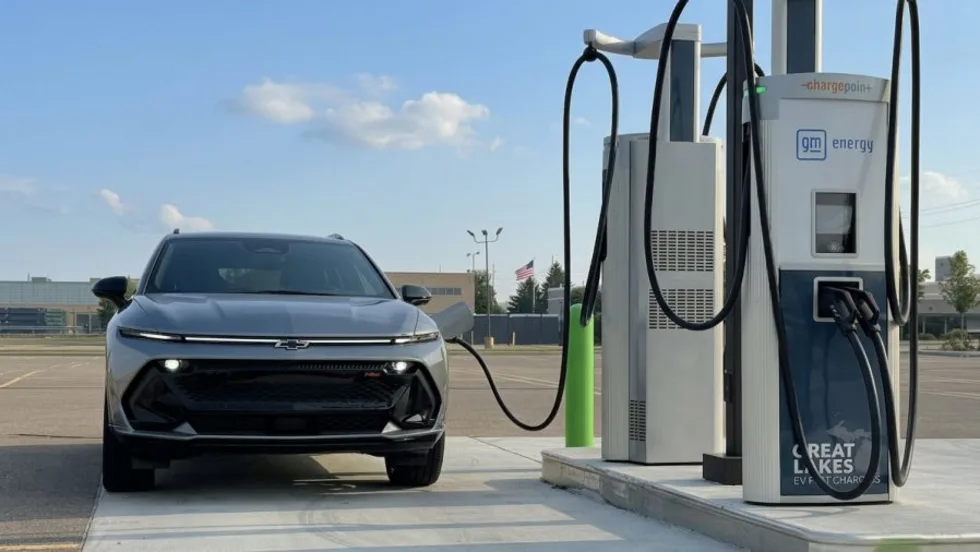
ChargePoint Now Available in Energy Pass
ChargePoint and additional planned charging network integrations were added to GM's Energy Pass.
Read More →

First Look: Slate Auto's Electric Fleet Pickup
Could an affordable, modular EV pickup make electrification more practical for fleets?
Read More →
Slate Debuts Colorful, Unique EV Models
A recent media and client event, studded with electric vehicles dressed up on platforms, planted a new position for the manufacturer in the wider EV market. Fleets will find cost-saving advantages.
Read More →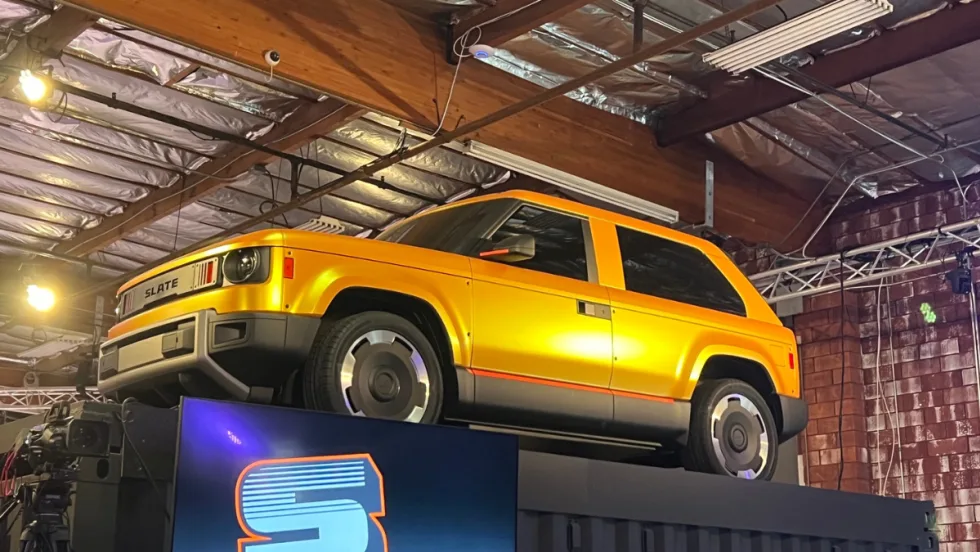
Slate Electric SUV, Pickup Switchable Model Aims For Light-Duty Fleets
Everything about this EV is counterintuitive and understated, making it stand out from the crowd.
Read More →
Inspiration Mobility Acquires Key Electrada Assets
Inspiration Mobility Group has acquired select assets of Electrada, adding the fleet electrification provider's team, technology, and charging infrastructure development capabilities to its energy management business.
Read More →