




UPS Wants to Reduce Emissions by 12% in 8 Years
UPS plans to reduce emissions from global ground operations 12% by 2025 as part of new sustainability goals, the delivery company said in its latest Corporate Sustainability Report.
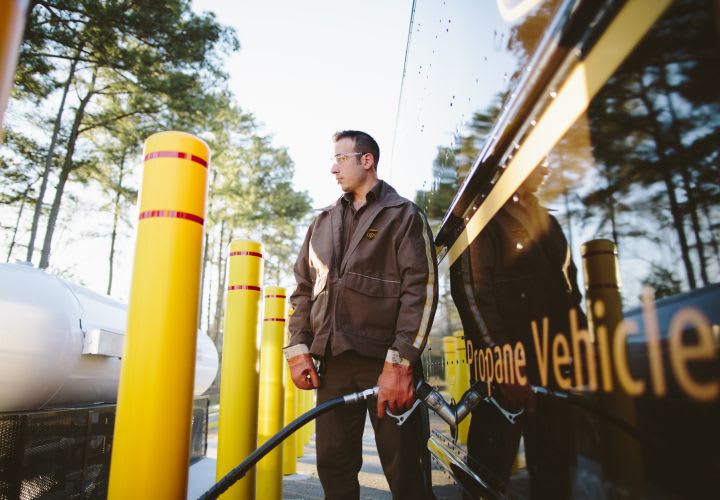
Photo courtesy of UPS.
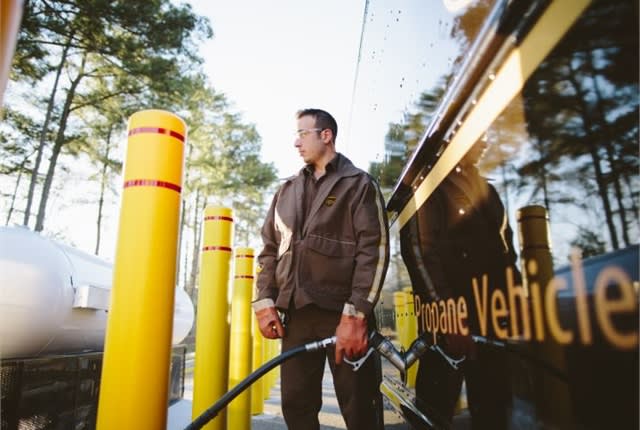
Photo courtesy of UPS.
UPS plans to reduce emissions from global ground operations 12% by 2025 as part of new sustainability goals, the delivery company said in its latest Corporate Sustainability Report.
The company decided on its goal using a methodology approved by the Science Based Targets Initiative, a group that champions science-based sustainability efforts aimed at improving a company’s profitability and competitiveness.
“Because of our size and scale, we know our commitments can shape markets, advance technologies, and be a catalyst for infrastructure investments,” said David Abney, UPS chairman and CEO. “We rely on the ingenuity of our employees, suppliers and technology partners to help us reach goals that will transform the shipping industry and spur innovation.”
By 2020, the company plans to choose alternative fuel or advanced technology vehicles for one out of every four vehicles it purchases. That will help the company meet another goal to make 40% of all ground fuel used come from sources other than conventional gasoline or diesel by 2025, up from 19.6% in 2016.
UPS has already launched several green initiatives and currently operates more than 8,300 alternative fuel and advanced technology vehicles globally. The company’s fleet uses a variety of vehicle types to achieve its green goals including, electric, hybrid electric, hydraulic hybrid, compressed natural gas, liquefied natural gas, propane, and lightweight composite body vehicles.
Since 2009, UPS says that it has invested more than $750 million in alternative fuel and advanced technology vehicles and fueling stations globally.
UPS also has a goal that 25% of the electricity it consumes will come from renewable energy sources by 2025, a significant increase from 0.2% in 2016.
More Green Fleet
EV Charging Use Is Outpacing Infrastructure Growth
ChargePoint’s 2026 Charging Forward Report points to rising charger use, higher-powered charging, commercial vehicle electrification, and energy-management technology. Here’s what fleets should know.
Read More →
Merchants Fleet Reports 290M EV Miles as Fleets Navigate Changing Electrification Market
From millions in operating savings to hundreds of millions of EV miles, Merchants Fleet’s latest report reveals what’s working and what’s changing in fleet electrification.
Read More →
The EV Breakdown Nobody's Talking About: Why Most Electric Vehicle Roadside Calls Aren't Mechanical Failures
Here's why EV breakdowns are widely misunderstood.
Read More →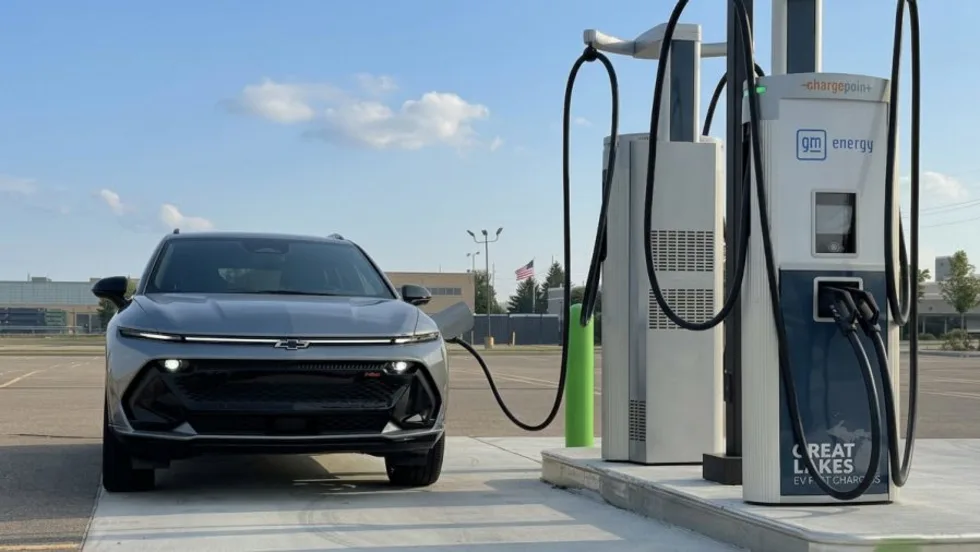
ChargePoint Now Available in Energy Pass
ChargePoint and additional planned charging network integrations were added to GM's Energy Pass.
Read More →

First Look: Slate Auto's Electric Fleet Pickup
Could an affordable, modular EV pickup make electrification more practical for fleets?
Read More →
Slate Debuts Colorful, Unique EV Models
A recent media and client event, studded with electric vehicles dressed up on platforms, planted a new position for the manufacturer in the wider EV market. Fleets will find cost-saving advantages.
Read More →
Slate Electric SUV, Pickup Switchable Model Aims For Light-Duty Fleets
Everything about this EV is counterintuitive and understated, making it stand out from the crowd.
Read More →
Inspiration Mobility Acquires Key Electrada Assets
Inspiration Mobility Group has acquired select assets of Electrada, adding the fleet electrification provider's team, technology, and charging infrastructure development capabilities to its energy management business.
Read More →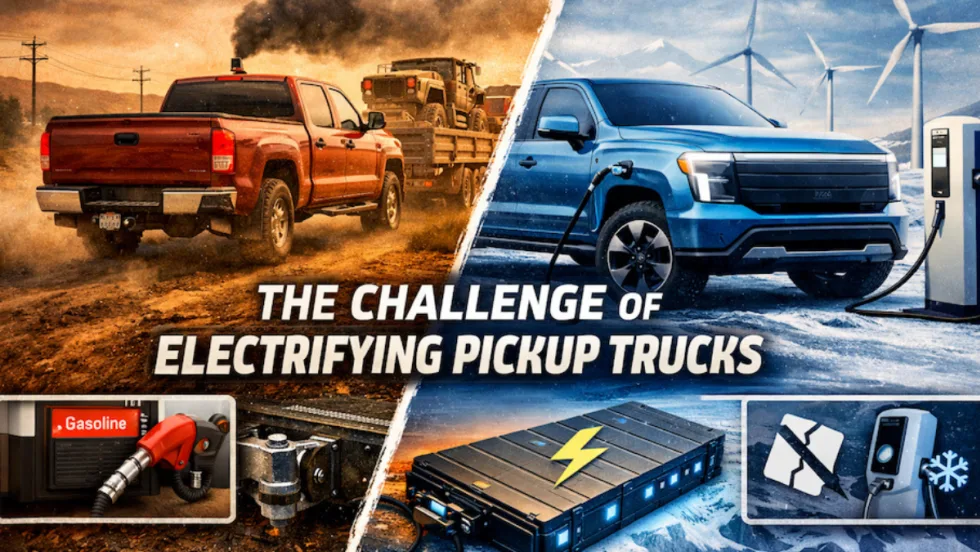
Why America’s Most Popular Vehicle is So Hard to Electrify
Turning America’s favorite workhorse electric means balancing range, payload, charging infrastructure, and price, an equation automakers are still trying to solve.
Read More →