




UPS to Deploy Hydrogen Fuel Cell Truck in California
UPS will begin using a medium-duty delivery truck that uses gaseous hydrogen to power an electric battery and motor in Sacramento, California, with an eye toward expanding use of the alternative fuel after a successful test.
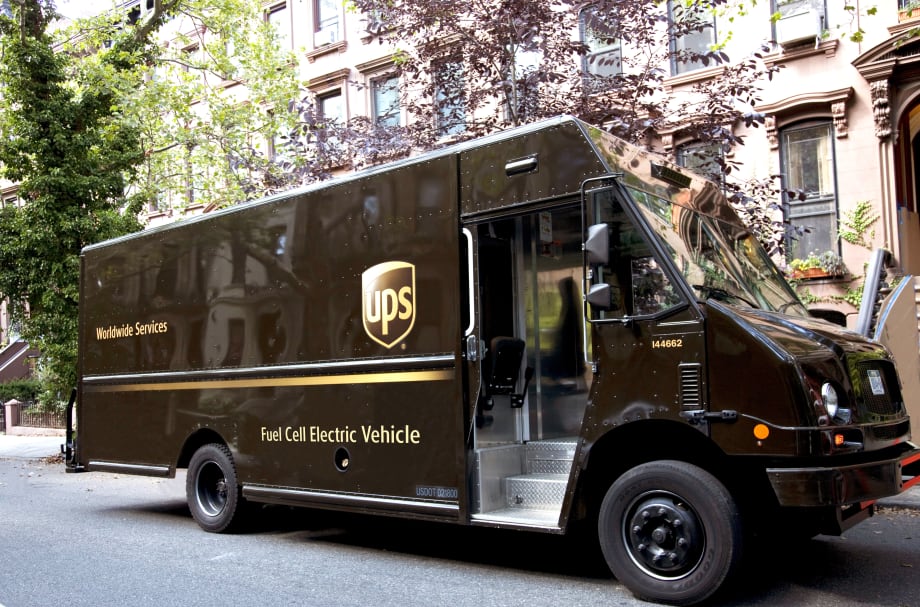
Photo courtesy of UPS.
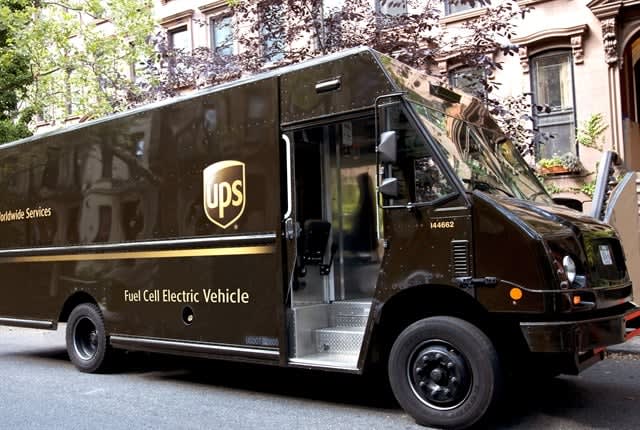
Photo courtesy of UPS.
UPS will begin using a medium-duty delivery truck that uses gaseous hydrogen to power an electric battery and motor in Sacramento, California, with an eye toward expanding use of the alternative fuel after a successful test.
The delivery company announced it will begin testing a prototype truck to determine whether the zero-emission fueling technology could be more widely adopted across the fleet. UPS still needs to validate its design and core performance requirements for at least 5,000 hours, said Mike Britt, director of maintenance and engineering for international operations of UPS. If the test is successful, UPS plans to add 16 additional trucks built on a Class 6 chassis.
"The challenge we face with fuel cell technology is to ensure the design can meet the unique operational demands of our delivery vehicles on a commercial scale," said Mark Wallace, UPS senior vice president, global engineering and sustainability. "This project is an essential step to test the zero tailpipe emissions technology and vehicle on the road for UPS and the transportation industry."
To develop the truck, UPS partnered with Unique Electric Systems, a vehicle modifier that integrated various components of the hydrogen fuel cell powertrain. Unlike fuel cell auxiliary power units, the vehicle uses the 32-kilowatt-per-hour fuel cell to generate electricity to propel the vehicle. The system uses an electric motor from Nidec, fuel cell stack from Hydrogenics, 45 kilowatt-per-hour battery from Valance, and tanks from Luxfer that can support up to 10 kilograms of fuel.
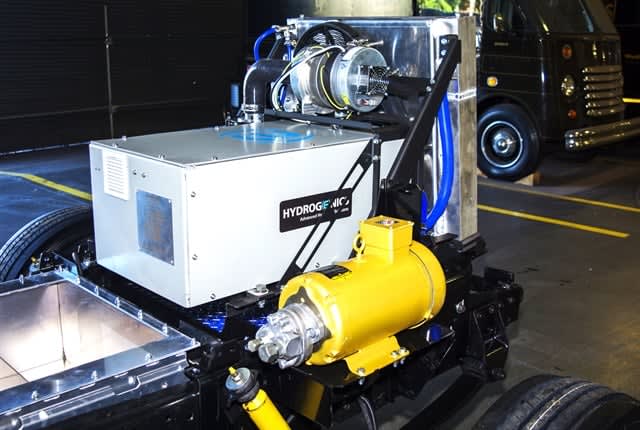
Photo of the Hydogenics fuel cell stack courtesy of UPS.
The truck can carry about 10,000 pounds of payload and travel a range of up to 125 miles, said Scott Philippi, automotive maintenance and engineering manager for UPS.
UPS developed the vehicle in a partnership that also included the U.S. Department of Energy's Center for Transportation and the Environment and the University of Texas’ Center for Electromechanics.
More Green Fleet
New Propane Autogas Program Offers Fleet Compensation
Qualified commercial fleets can receive $7,500 per eligible propane autogas vehicle and up to $10,000 for new refueling site prep. Learn how the program works and see whether your fleet qualifies.
Read More →
EV Charging Use Is Outpacing Infrastructure Growth
ChargePoint’s 2026 Charging Forward Report points to rising charger use, higher-powered charging, commercial vehicle electrification, and energy-management technology. Here’s what fleets should know.
Read More →
Merchants Fleet Reports 290M EV Miles as Fleets Navigate Changing Electrification Market
From millions in operating savings to hundreds of millions of EV miles, Merchants Fleet’s latest report reveals what’s working and what’s changing in fleet electrification.
Read More →

The EV Breakdown Nobody's Talking About: Why Most Electric Vehicle Roadside Calls Aren't Mechanical Failures
Here's why EV breakdowns are widely misunderstood.
Read More →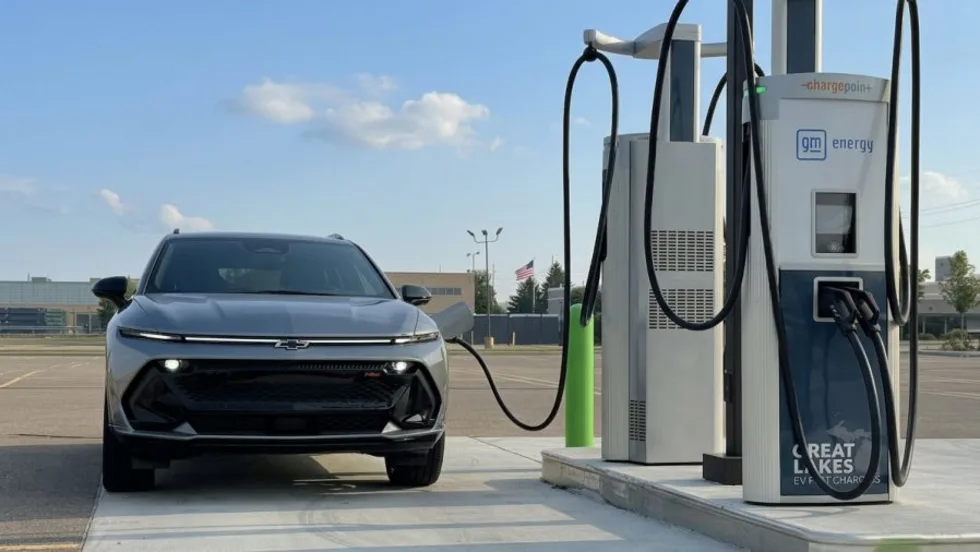
ChargePoint Now Available in Energy Pass
ChargePoint and additional planned charging network integrations were added to GM's Energy Pass.
Read More →

First Look: Slate Auto's Electric Fleet Pickup
Could an affordable, modular EV pickup make electrification more practical for fleets?
Read More →
Slate Debuts Colorful, Unique EV Models
A recent media and client event, studded with electric vehicles dressed up on platforms, planted a new position for the manufacturer in the wider EV market. Fleets will find cost-saving advantages.
Read More →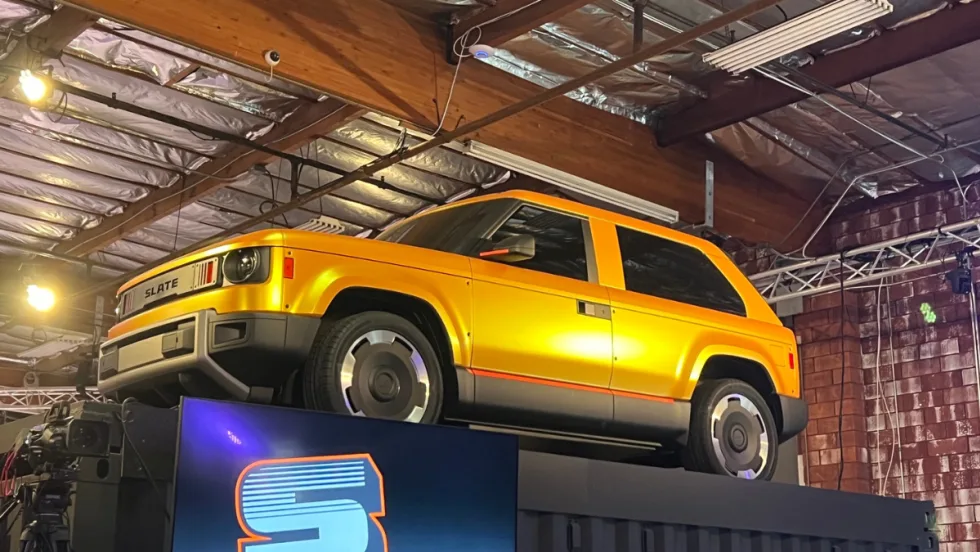
Slate Electric SUV, Pickup Switchable Model Aims For Light-Duty Fleets
Everything about this EV is counterintuitive and understated, making it stand out from the crowd.
Read More →
Inspiration Mobility Acquires Key Electrada Assets
Inspiration Mobility Group has acquired select assets of Electrada, adding the fleet electrification provider's team, technology, and charging infrastructure development capabilities to its energy management business.
Read More →