




UPS Canada Helps Expand Global Green Fleet
MISSISSAUGA, ON – UPS Canada will be rolling out 139 additional cleaner-burning, propane delivery trucks. The majority of these vehicles will be deployed in Quebec, Ontario, and Alberta, and the rest distributed between British Columbia, Saskatchewan, and Manitoba.
MISSISSAUGA, ON – UPS Canada will be rolling out 139 additional cleaner-burning, propane delivery trucks. The majority of these vehicles will be deployed in Quebec, Ontario, and Alberta, and the rest distributed between British Columbia, Saskatchewan, and Manitoba.
The propane vehicles are joining roughly 600 propane trucks already operating in Canada. The addition of these vehicles means more than a third of UPS Canada’s 2,000 package delivery vehicles will run on low-carbon fuel.
“UPS Canada has been a leader in deploying alternative fuel vehicles since 1985,” said UPS Canada vice president of Automotive, Steve Clark. “This deployment demonstrates UPS’ continued commitment to running our business in a responsible manner.
The 139 new propane trucks are expected to reduce UPS’s carbon dioxide emissions by a total of 254 metric tons per year, the equivalent weight of 80 UPS trucks. This would be a 35 percent improvement compared to conventional gas engines. Additionally, particulate matter emitted from vehicles will be virtually eliminated.
In the 1980s, the propane trucks currently in UPS Canada’s fleet were converted from gasoline and diesel to run on alternative fuels. The new trucks are now originally manufactured for alternative fuel use.
The UPS propane vehicles will run on liquefied petroleum gas (LPG) provided at eight onsite fuelling stations at UPS facilities in Canada. LPG is derived from petroleum during oil or natural gas processing and is cleaner-burning than regular gasoline.
UPS’s global alternative-fuel fleet now stands at 1,629 vehicles, the largest private fleet in the transportation industry, and includes compressed natural gas, liquefied natural gas, propane, electric, and hybrid electric vehicles. UPS is also working with the U.S. Environmental Protection Agency on a hydraulic hybrid delivery vehicle.
While continuing to develop its alternative fuel fleet, UPS has already invested more than $15 million in the effort, the company has also purchased and is operating nearly 20,000 low-emission conventional vehicles. These vehicles have regular gas and diesel-powered engines but employ the very latest technology and manufacturing techniques to reduce emissions as much as possible.
More Green Fleet
EV Charging Use Is Outpacing Infrastructure Growth
ChargePoint’s 2026 Charging Forward Report points to rising charger use, higher-powered charging, commercial vehicle electrification, and energy-management technology. Here’s what fleets should know.
Read More →
Merchants Fleet Reports 290M EV Miles as Fleets Navigate Changing Electrification Market
From millions in operating savings to hundreds of millions of EV miles, Merchants Fleet’s latest report reveals what’s working and what’s changing in fleet electrification.
Read More →
The EV Breakdown Nobody's Talking About: Why Most Electric Vehicle Roadside Calls Aren't Mechanical Failures
Here's why EV breakdowns are widely misunderstood.
Read More →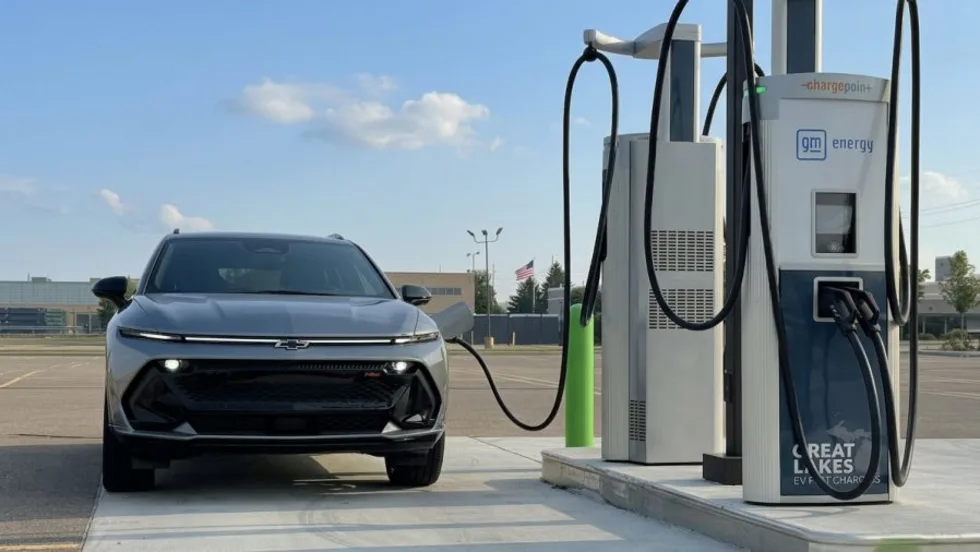
ChargePoint Now Available in Energy Pass
ChargePoint and additional planned charging network integrations were added to GM's Energy Pass.
Read More →

First Look: Slate Auto's Electric Fleet Pickup
Could an affordable, modular EV pickup make electrification more practical for fleets?
Read More →
Slate Debuts Colorful, Unique EV Models
A recent media and client event, studded with electric vehicles dressed up on platforms, planted a new position for the manufacturer in the wider EV market. Fleets will find cost-saving advantages.
Read More →
Slate Electric SUV, Pickup Switchable Model Aims For Light-Duty Fleets
Everything about this EV is counterintuitive and understated, making it stand out from the crowd.
Read More →
Inspiration Mobility Acquires Key Electrada Assets
Inspiration Mobility Group has acquired select assets of Electrada, adding the fleet electrification provider's team, technology, and charging infrastructure development capabilities to its energy management business.
Read More →
Turning Connected Vehicle Data Into Decisions That Matter
Fleet leaders have more data than ever, but turning that data into clear, actionable decisions remains a challenge. This white paper shows how leading organizations are using connected vehicle data to improve safety, reduce costs, and optimize fleet performance. Learn how to turn insight into action across your fleet.
Read More →