




University Students Build Biodiesel Extended-Range EV
SAN DIEGO - The U.S. Department of Energy (DOE) and General Motors challenged university engineering students from across North America to re-engineer a GM-donated vehicle to minimize the vehicle's fuel consumption and emissions, while maintaining its utility, safety, and performance.
SAN DIEGO- Students from Mississippi State University (MSU) placed first in the 2010 EcoCAR: The NeXt Challengefinals in San Diego May 27 after designing and building a biodiesel extended-range electric vehicle (EREV).
MSU beat out 15 other universities to win first place in Year Two Finals of the three-year competition.
Sponsored by the U.S. Department of Energy (DOE) and General Motors, the competition challenges university engineering students from across North America to re-engineer a GM-donated vehicle to minimize the vehicle's fuel consumption and emissions, while maintaining its utility, safety, and performance.
Virginia Tech earned second place with an ethanol-powered EREV design and Penn State came in third place building a biodiesel EREV vehicle.
During the second year of the EcoCAR competition, the teams utilized cutting-edge automotive engineering processes, such as Hardware in the Loop (HIL) simulation, to move their designs into the physical vehicles. Once the vehicles were built and rolled out of their respective Green Garages - or design and construction shops - they went through a series of safety and technical tests at GM's Desert Proving Grounds in Yuma, Ariz., similar to those conducted on production vehicles. Each of the cars was evaluated based on the ability to decrease fuel consumption and greenhouse gas emissions, and maintain consumer acceptability in the areas of performance, utility, and safety.
The Mississippi State EcoCAR team chose to design an EREV hybrid with a 21.3 kWh A123Systems battery pack, which provides an electric range of 60 miles and is equipped with a 1.3L GM turbodiesel engine and 75 kW UQM generator in a series plug-in configuration. During testing, the vehicle's fuel economy stood out, achieving 118 miles per gallon gas equivalent (combined city/highway cycle). In addition to the overall winner's award, Mississippi State won nine additional awards, including performance events in auto-cross and acceleration.
Addition information about the EcoCAR program is available at www.ecocarchallenge.org.
More Green Fleet
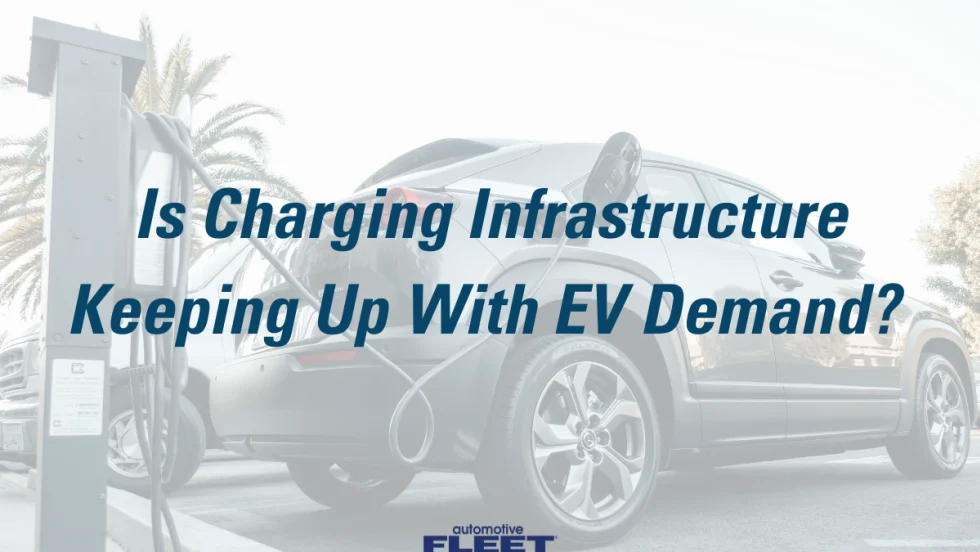
EV Charging Use Is Outpacing Infrastructure Growth
ChargePoint’s 2026 Charging Forward Report points to rising charger use, higher-powered charging, commercial vehicle electrification, and energy-management technology. Here’s what fleets should know.
Read More →
Merchants Fleet Reports 290M EV Miles as Fleets Navigate Changing Electrification Market
From millions in operating savings to hundreds of millions of EV miles, Merchants Fleet’s latest report reveals what’s working and what’s changing in fleet electrification.
Read More →
The EV Breakdown Nobody's Talking About: Why Most Electric Vehicle Roadside Calls Aren't Mechanical Failures
Here's why EV breakdowns are widely misunderstood.
Read More →
ChargePoint Now Available in Energy Pass
ChargePoint and additional planned charging network integrations were added to GM's Energy Pass.
Read More →
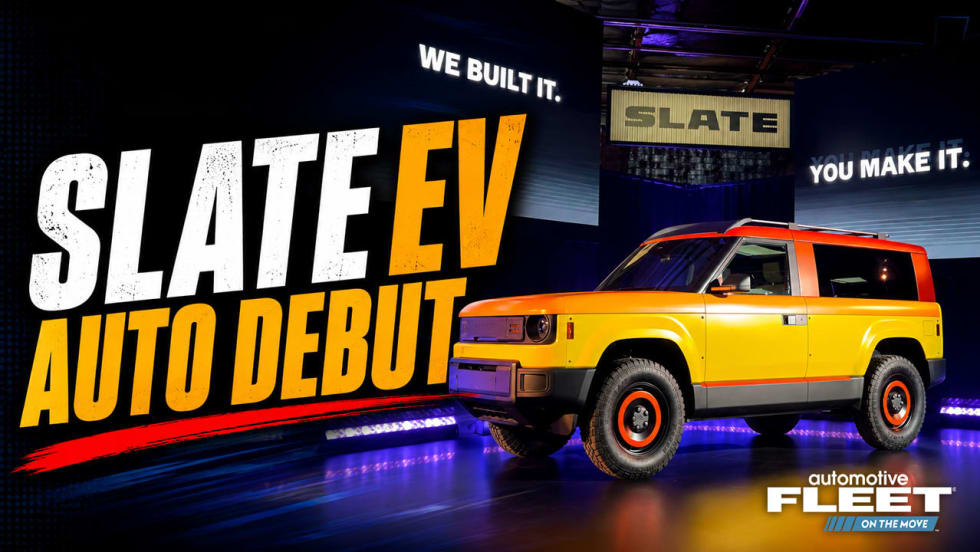
First Look: Slate Auto's Electric Fleet Pickup
Could an affordable, modular EV pickup make electrification more practical for fleets?
Read More →
Slate Debuts Colorful, Unique EV Models
A recent media and client event, studded with electric vehicles dressed up on platforms, planted a new position for the manufacturer in the wider EV market. Fleets will find cost-saving advantages.
Read More →
Slate Electric SUV, Pickup Switchable Model Aims For Light-Duty Fleets
Everything about this EV is counterintuitive and understated, making it stand out from the crowd.
Read More →
Inspiration Mobility Acquires Key Electrada Assets
Inspiration Mobility Group has acquired select assets of Electrada, adding the fleet electrification provider's team, technology, and charging infrastructure development capabilities to its energy management business.
Read More →
Turning Connected Vehicle Data Into Decisions That Matter
Fleet leaders have more data than ever, but turning that data into clear, actionable decisions remains a challenge. This white paper shows how leading organizations are using connected vehicle data to improve safety, reduce costs, and optimize fleet performance. Learn how to turn insight into action across your fleet.
Read More →