




Union Pacific Safety Program Seeks to Reduce Vehicle-Train Collisions
LIVONIA, LA --- Union Pacific kicked off its 2009 Louisiana public safety awareness efforts at railroad crossings in Oakdale, Tioga, Ball and Avondale. Drivers speeding through red flashing lights to beat approaching trains were surprised when they crossed the railroad and found special agents from Union Pacific’s police department waiting to issue them citations.
LIVONIA, LA --- Union Pacific kicked off its 2009 Louisiana public safety awareness efforts at railroad crossings in Oakdale, Tioga, Ball and Avondale. Drivers speeding through red flashing lights to beat approaching trains were surprised when they crossed the railroad and found special agents from Union Pacific's police department waiting to issue them citations for violating motor vehicle laws.
Drivers are required by law to stop when railroad warnings are activated, and 94 percent of all crossing accidents are caused by risky driver behavior, according to the U.S. Department of Transportation.
The operation is part of Union Pacific's efforts to help increase public safety awareness and decrease the number of vehicle-train crossing collisions in Louisiana through the company's Crossing Accident and Reduction Enforcement (CARE) program. Agents target grade crossings having a high number of motorists who ignore railroad warning signals.
"We saw drivers speeding up and going around the crossing gates when the railroad warning signals were activated," said Jim Herring, Union Pacific special agent and public safety officer. "These risks could have tragic consequences, so we ask motorists to follow the law by heeding railroad warnings for their own safety."
Drivers often put themselves and their passengers in harm's way by ignoring railroad warnings, such as crossing signs, bells, lights and gates. Motor vehicle laws require drivers to treat x-shaped railroad crossing signs as yield signs and stop at least 15 feet from the nearest rail at crossings when warning signals indicate a train is approaching.
Union Pacific hosted 20 CARE events last year and has even more planned for 2009. Police and sheriff's departments from across Louisiana are scheduled to participate in operations that have local police officers riding on Union Pacific locomotives to observe motorist behavior at railroad crossings. When motorists ignore railroad warnings, these officers dispatch agents in patrol cars parked at nearby crossings to issue citations and remind motorists to obey railroad warnings for their own safety.
Union Pacific offers the following safety tips to help drivers as they approach railroad tracks and trains:
-- Always expect a train and look both ways before crossing railroad tracks.
-- Wait for trains and do not attempt to beat approaching trains.
-- Avoid getting trapped on the railroad tracks by ensuring there is enough room on the other side for your vehicle to completely clear the tracks.
-- Watch for vehicles, such as school buses and commercial trucks that must stop at railroad crossings.
-- If your vehicle stalls at a crossing, get passengers out and escort them far from the area, even if trains are not coming through. Call the emergency notification number posted on or near the crossing or notify local law enforcement.
More Safety
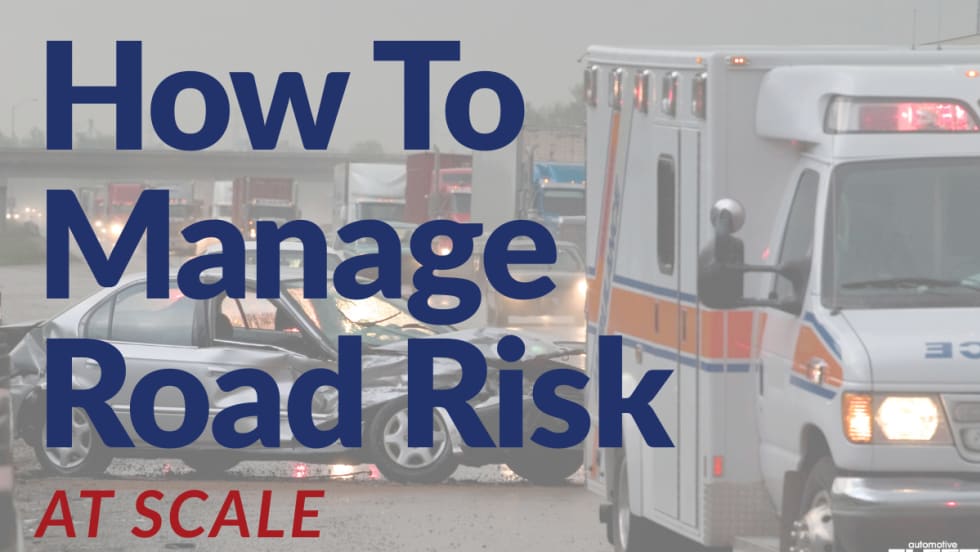
Managing Road Risk at Scale: Why Fleet Safety Needs a Data-Driven Framework
Insights from the FIA Road and Driver Safety Indexes reveal how to manage road risk on a larger scale.
Read More →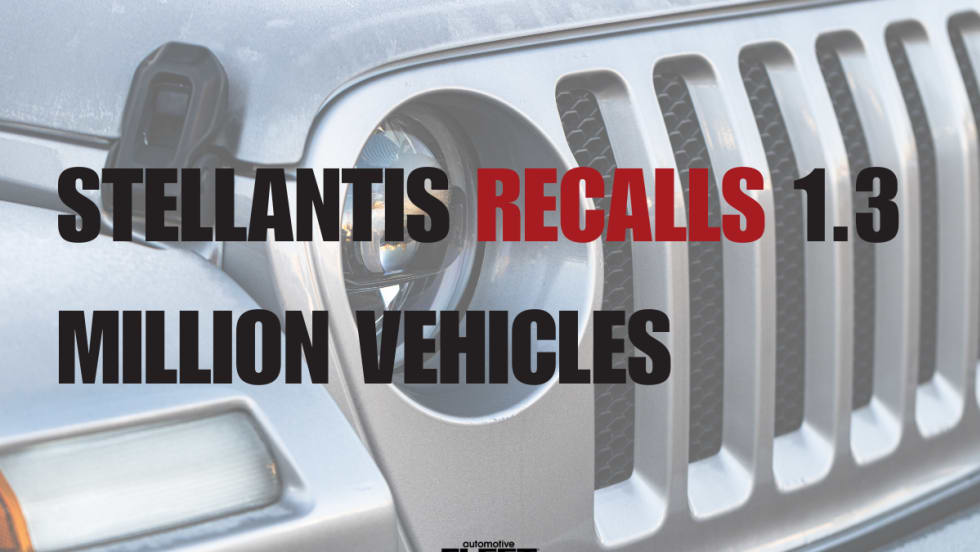
Stellantis Recalls 1.3 Million Jeep Vehicles Worldwide Over Fire Risk
Stellantis is recalling more than 1.3 million Jeep Wrangler and Gladiator models worldwide over a fire risk linked to power steering pump wiring.
Read More →
Coaching Is Not Training, Even When AI Is Doing It
AI-powered safety platforms can detect risky behaviors and deliver immediate feedback. But effective driver development still requires a foundation of training followed by coaching that reinforces those skills.
Read More →
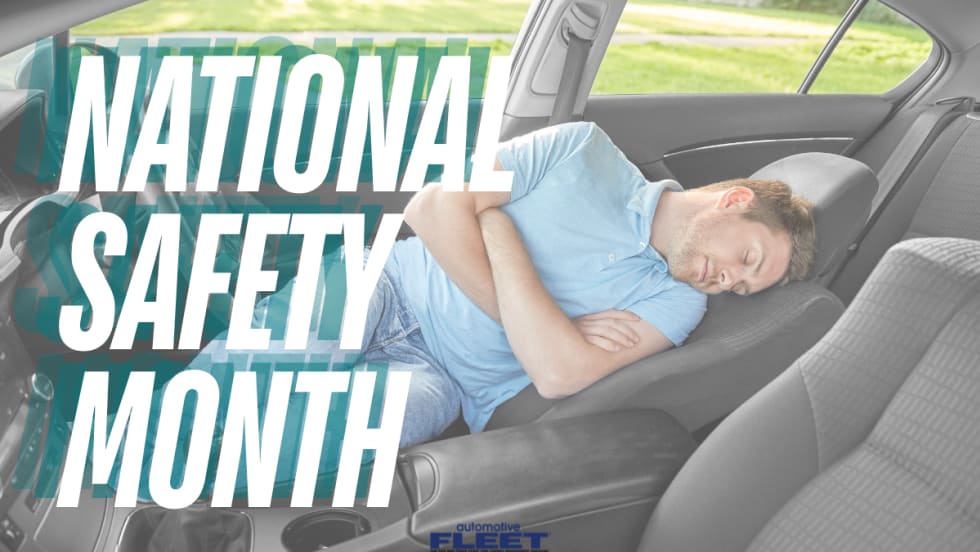
How Emotions Behind the Wheel Can Affect Fleet Safety
During National Safety Month, fleets are encouraged to look beyond distracted driving and recognize how stress, fatigue, and emotional well-being influence driver performance and crash risk.
Read More →
Nominations Open for 2026 Fleet Safety Award
Nominations have officially opened for the 2026 Fleet Safety Award Winner.
Read More →
Turning Connected Vehicle Data Into Decisions That Matter
Fleet leaders have more data than ever, but turning that data into clear, actionable decisions remains a challenge. This white paper shows how leading organizations are using connected vehicle data to improve safety, reduce costs, and optimize fleet performance. Learn how to turn insight into action across your fleet.
Read More →
Cameras, Safety and Insurance: From Reactive Claims to Real-time Prevention
Commercial auto remains one of the most challenging and costly lines of coverage for fleet operators and insurers alike. Learn more about how to effectively address these issues from Onur Aksan, Enterprise Business Development Executive, Geotab.
Read More →
NAFA Fleet Safety Symposium to Collocate With 2026 Fleet Forward Conference
The daylong certificate program will precede the Fleet Forward Conference at the Gaylord National Harbor in Maryland.
Read More →
The Distractions You Can’t Turn Off: What Drivers Face Outside the Vehicle
Fleet drivers face constant visual, cognitive, and environmental interruptions the moment they hit the road. From roadside chaos to mental fatigue and digital overload, today’s biggest driving risks often come from outside the vehicle itself.
Read More →
FLASH Weather AI Launches First Deep-Learning Hail Prediction Model With High-Resolution Forecasting
FLASH Weather AI has launched a first-of-its-kind hail prediction model capable of forecasting hail size and arrival time at 1-kilometer resolution up to 55 minutes ahead, giving fleets and insurers critical time to prepare for severe storms.
Read More →