




TRW to Provide Electronic Stability Control for MINI Cooper, Saab 9-3
LIVONIA, Mich. --- TRW Automotive Holdings Corp., a provider of active and passive safety systems, is supplying its Electronic Stability Control (ESC) system to several new vehicles, including the MINI Cooper and Cooper S hardtops, the Saab 9-3, and various General Motors heavy-duty pickup trucks.
LIVONIA, Mich. --- TRW Automotive Holdings Corp., a provider of active and passive safety systems, is supplying its Electronic Stability Control (ESC) system to several new vehicles, including the MINI Cooper and Cooper S hardtops, the Saab 9-3, and various General Motors heavy-duty pickup trucks. With the new vehicles being added this year, TRW will be supplying ESC technology to more than 40 different models produced by more than a dozen automakers around the world. These range from small compact cars to large pickup trucks and 15-passenger vans. "By offering a wide range of systems and feature functions, TRW's ESC can fit virtually every light vehicle need," said Josef Pickenhahn, vice president of brake engineering for TRW Automotive. "With standard, high-performance and premium systems available, TRW can provide vehicle manufacturers with the desired level of cost and technology to fit the specific character and needs of their vehicles. As we continue to develop and add functionality to TRW ESC systems, this technology plays a crucial role in the evolution of next-generation active safety systems." An active safety system, ESC assists drivers in maintaining the lateral stability of the vehicle during difficult driving situations such as oversteer and understeer. By monitoring vehicle velocity information and driver inputs, ESC can proactively apply brake pressure to the appropriate wheels and, if necessary, cut engine throttle, to reduce the possibility of a loss of driver control. TRW's ESC technology allows for a range of active and passive safety integration opportunities, including integration with: -- Adaptive Cruise Control to enable pre-crash and emergency braking functions, using short- or long-range radar sensors or video sensors for Electronically Controlled Deceleration or full brake pressure for Emergency Brake Assist -- Electrically Powered Steering to provide Steering Torque Control function, which helps steer drivers in the correct direction to avoid skidding and sliding and can reduce braking distances and -- Regenerative braking through TRW's Slip Control Boost system for hybrid vehicles. Other TRW ESC enhancements include systems such as trailer brake stabilization that helps improve vehicle dynamics when towing significant loads, and dynamic rear proportioning that helps to balance braking without the need for separate proportioning valves.
More Safety
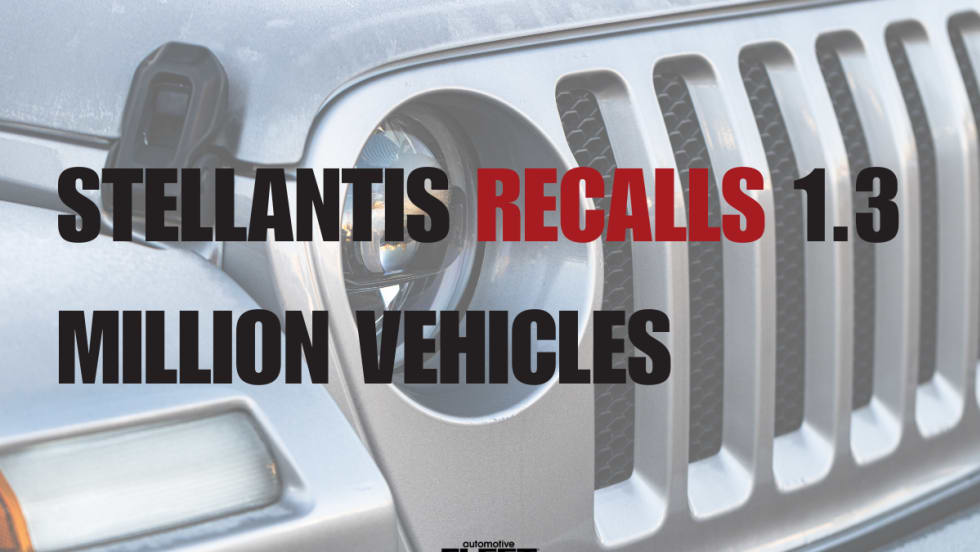
Stellantis Recalls 1.3 Million Jeep Vehicles Worldwide Over Fire Risk
Stellantis is recalling more than 1.3 million Jeep Wrangler and Gladiator models worldwide over a fire risk linked to power steering pump wiring.
Read More →
Coaching Is Not Training, Even When AI Is Doing It
AI-powered safety platforms can detect risky behaviors and deliver immediate feedback. But effective driver development still requires a foundation of training followed by coaching that reinforces those skills.
Read More →
How Emotions Behind the Wheel Can Affect Fleet Safety
During National Safety Month, fleets are encouraged to look beyond distracted driving and recognize how stress, fatigue, and emotional well-being influence driver performance and crash risk.
Read More →

Nominations Open for 2026 Fleet Safety Award
Nominations have officially opened for the 2026 Fleet Safety Award Winner.
Read More →
Turning Connected Vehicle Data Into Decisions That Matter
Fleet leaders have more data than ever, but turning that data into clear, actionable decisions remains a challenge. This white paper shows how leading organizations are using connected vehicle data to improve safety, reduce costs, and optimize fleet performance. Learn how to turn insight into action across your fleet.
Read More →
Cameras, Safety and Insurance: From Reactive Claims to Real-time Prevention
Commercial auto remains one of the most challenging and costly lines of coverage for fleet operators and insurers alike. Learn more about how to effectively address these issues from Onur Aksan, Enterprise Business Development Executive, Geotab.
Read More →
NAFA Fleet Safety Symposium to Collocate With 2026 Fleet Forward Conference
The daylong certificate program will precede the Fleet Forward Conference at the Gaylord National Harbor in Maryland.
Read More →
The Distractions You Can’t Turn Off: What Drivers Face Outside the Vehicle
Fleet drivers face constant visual, cognitive, and environmental interruptions the moment they hit the road. From roadside chaos to mental fatigue and digital overload, today’s biggest driving risks often come from outside the vehicle itself.
Read More →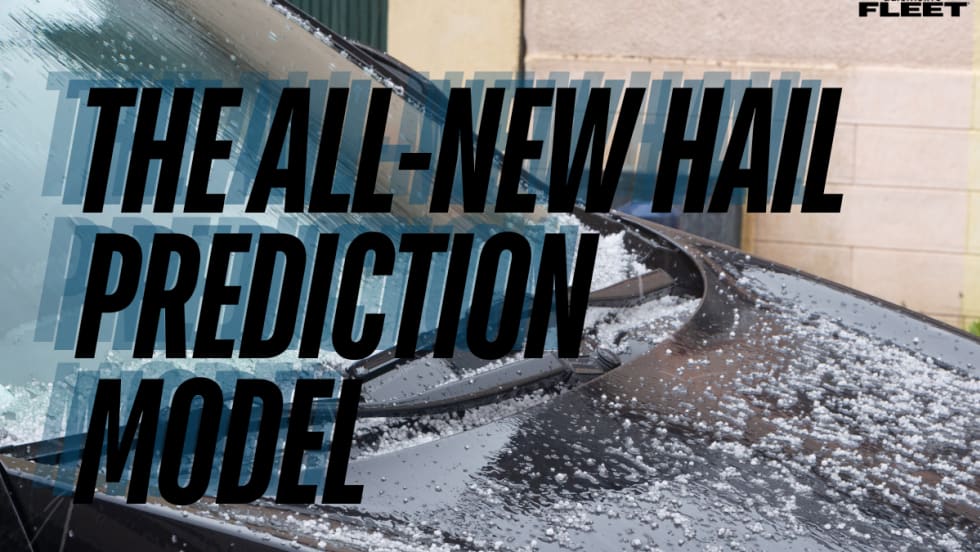
FLASH Weather AI Launches First Deep-Learning Hail Prediction Model With High-Resolution Forecasting
FLASH Weather AI has launched a first-of-its-kind hail prediction model capable of forecasting hail size and arrival time at 1-kilometer resolution up to 55 minutes ahead, giving fleets and insurers critical time to prepare for severe storms.
Read More →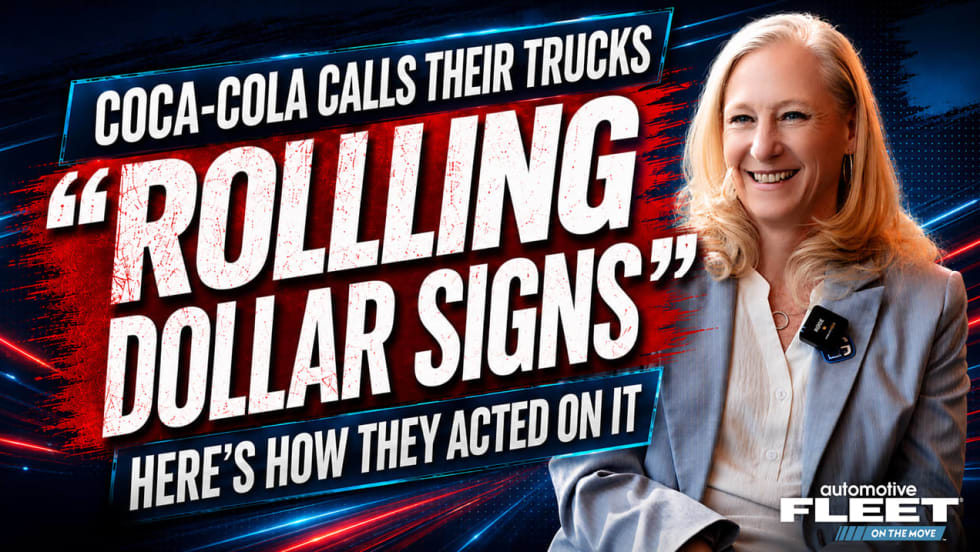
How Coca-Cola United Protects Its Fleet from Growing Legal Risk
As litigation risk rises, vehicles are increasingly targeted. This Coca-Cola bottler shares how it’s reducing exposure through driver training, technology, and a proactive risk management approach.
Read More →