




Truck Research Explores Energy, Emission Impacts of Weight Classes
ARLINGTON, Va. --- The American Transportation Research Institute and truck engine manufacturer Cummins Inc. last week released updated research on the energy and emissions impacts of operating commercial vehicles at various weight classes.
ARLINGTON, Va. --- The American Transportation Research Institute and truck engine manufacturer Cummins Inc. last week released updated research on the energy and emissions impacts of operating commercial vehicles at various weight classes. The research confirms potential fuel efficiency improvements achievable through the operation of higher productivity vehicles, the groups said. These efficiency improvements also yield environmental improvements.
The research uses computer modeling that reflects the operation of trucks with engines meeting current EPA engine emission standards.
"With engine manufacturers striving to make cleaner, more efficient engines, this study highlights how efficiencies can also be gained through operational changes," said Tim Solso, Cummins chairman and CEO and a member of the ATRI Board of Directors.
In addition to investigating the operation of higher productivity vehicles at gross vehicle weights greater than the current federal limit, the updated study also investigated the operation of longer combination vehicles hauling low-density freight. For nearly every vehicle configuration studied, operating at higher weights allowed freight payloads to be increased at a greater rate than the additional fuel required to move the heavier load.
"As we look for ways to reduce congestion and greenhouse gas emissions, without sacrificing the supply chain efficiencies that the trucking industry supports, higher productivity vehicles should be considered as a viable part of an overarching solution," said Douglas G. Duncan, president and CEO of FedEx Freight and chairman of the ATRI Board of Directors.
More Green Fleet

EV Charging Use Is Outpacing Infrastructure Growth
ChargePoint’s 2026 Charging Forward Report points to rising charger use, higher-powered charging, commercial vehicle electrification, and energy-management technology. Here’s what fleets should know.
Read More →
Merchants Fleet Reports 290M EV Miles as Fleets Navigate Changing Electrification Market
From millions in operating savings to hundreds of millions of EV miles, Merchants Fleet’s latest report reveals what’s working and what’s changing in fleet electrification.
Read More →
The EV Breakdown Nobody's Talking About: Why Most Electric Vehicle Roadside Calls Aren't Mechanical Failures
Here's why EV breakdowns are widely misunderstood.
Read More →
ChargePoint Now Available in Energy Pass
ChargePoint and additional planned charging network integrations were added to GM's Energy Pass.
Read More →

First Look: Slate Auto's Electric Fleet Pickup
Could an affordable, modular EV pickup make electrification more practical for fleets?
Read More →
Slate Debuts Colorful, Unique EV Models
A recent media and client event, studded with electric vehicles dressed up on platforms, planted a new position for the manufacturer in the wider EV market. Fleets will find cost-saving advantages.
Read More →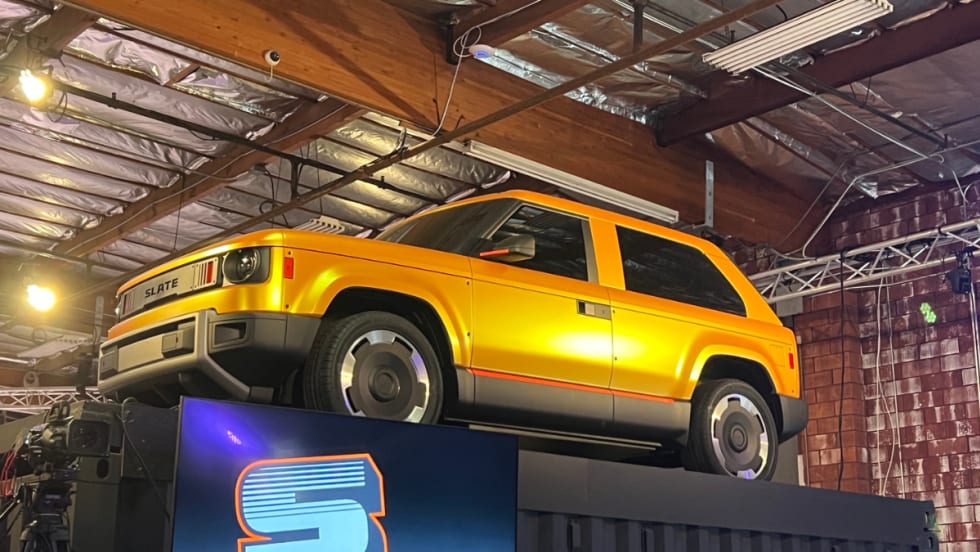
Slate Electric SUV, Pickup Switchable Model Aims For Light-Duty Fleets
Everything about this EV is counterintuitive and understated, making it stand out from the crowd.
Read More →
Inspiration Mobility Acquires Key Electrada Assets
Inspiration Mobility Group has acquired select assets of Electrada, adding the fleet electrification provider's team, technology, and charging infrastructure development capabilities to its energy management business.
Read More →
Turning Connected Vehicle Data Into Decisions That Matter
Fleet leaders have more data than ever, but turning that data into clear, actionable decisions remains a challenge. This white paper shows how leading organizations are using connected vehicle data to improve safety, reduce costs, and optimize fleet performance. Learn how to turn insight into action across your fleet.
Read More →