




Traffic Fatalities Fall 3 Percent in U.S.
Newly released data from the National Highway Traffic Safety Administration reveals a 3.1-percent decrease from 2012 figures.
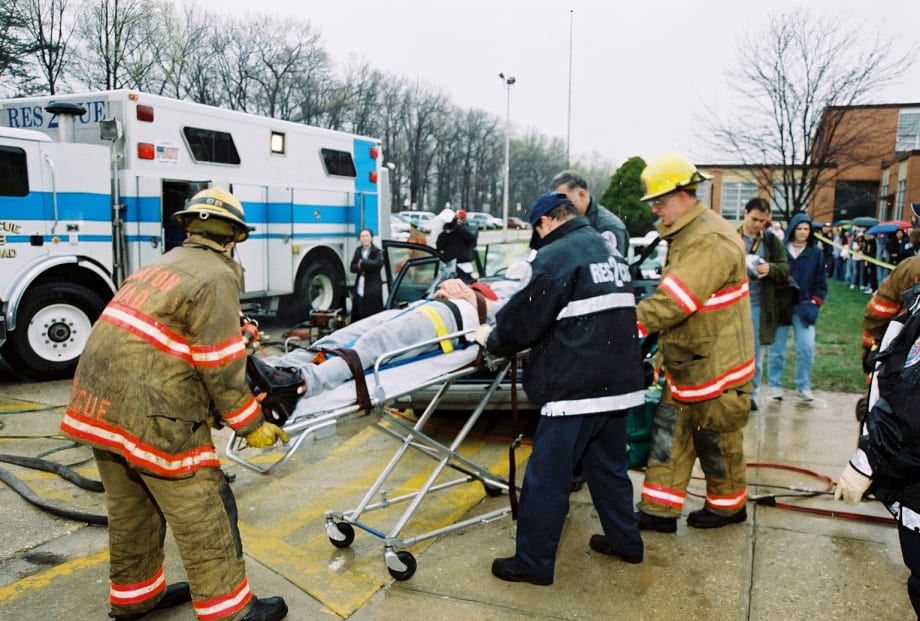
Photo courtesy of NHTSA.
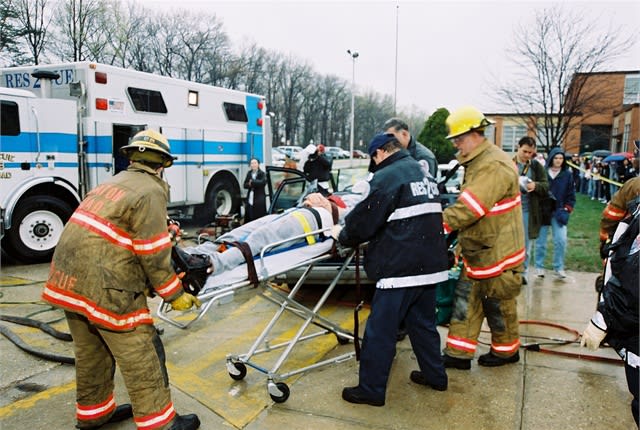
Photo courtesy of NHTSA.
Highway deaths in the U.S. decreased 3.1 percent in 2013 compared to the previous year, according to newly released data from the federal Fatality Analysis Reporting System (FARS).
Moreover, data indicate a nearly 25-percent decline in overall highway deaths since 2004.
In 2013, 32,719 people died in traffic crashes. The estimated number of people injured in crashes also declined by 2.1 percent.
The National Highway Traffic Safety Administration, an agency within the U.S. Department of Transportation, maintains FARS.
The 2013 fatality rate matches a historic low – 1.10 deaths per 100 million vehicle miles traveled. That’s down from 1.14 deaths per 100 million vehicle miles traveled in 2012.
Other key statistics include:
The number of passenger vehicle occupants killed in crashes declined by 3 percent to 21,132 – the lowest number on record dating back to 1975. Passenger vehicles include passenger cars, SUVs, minivans and pickup trucks.
Large truck occupant (0.9 percent) and motorcyclist (6.4 percent) fatalities declined for the first time since 2009.
Pedestrian fatalities declined by 1.7 percent to 4,735, but they remain 15 percent higher than the record low of 4,109 pedestrian fatalities in 2009.
Pedal-cyclist fatalities increased by 1.2 percent, the highest since 2006.
The estimated number of people injured in crashes decreased across all categories of people in 2013 when compared to 2012. Included are declines among passenger vehicle occupants (2.2 percent), large truck occupants (4 percent), motorcyclists (5.4 percent), pedestrians (13 percent), and pedal-cyclists (2 percent).
The number of people killed in distraction-affected crashes fell to 3,154 in 2013 from 3,380 in 2012, a 6.7 percent decrease. However, the estimated number of people injured in distraction-affected crashes (424,000) increased by 1 percent compared to 2012.
Alcohol-impaired-driving fatalities decreased by 2.5 percent in 2013 to 10,076, accounting for 31 percent of the overall fatalities in 2013.
Thirty-four states saw reductions in overall traffic fatalities, led by Ohio (132 fewer fatalities), Kentucky (108 fewer), Pennsylvania (102 fewer), South Carolina (96 fewer) and Arkansas (77 fewer).
FARS contains data for a census of fatal traffic crashes within the 50 states, the District of Columbia and Puerto Rico. To be included in FARS, a crash must involve a motor vehicle traveling on a public traffic-way and must result in the death of at least one person within 30 days of the crash.
View the 2013 Alcohol-Impaired Driving Traffic Safety Facts Sheet
More Global Fleet

Holman Takes Full Ownership of ARIZA in Mexico
Holman is bringing its Mexican fleet management operation fully under its own brand after more than 30 years as a joint venture. The change gives multinational fleet customers a single Holman operation across the U.S., Canada, and Mexico.
Read More →
Proven Ways to Reduce Work Truck Downtime
The age-old problem of downtime will always be a reality, but with new strategies at hand, fleets have more ways to keep trucks on the road longer.
Read More →
The Top 300 Commercial Fleets
The Top 300 Commercial Fleets: See the List
Read More →

Cameras, Safety and Insurance: From Reactive Claims to Real-Time Prevention (Part 2 of 2)
Part Two: Commercial auto remains one of the most challenging and costly lines of coverage for fleet operators and insurers alike. Continue learning more about how to effectively address these issues from Onur Aksan, Enterprise Business Development Executive, Geotab
Read More →
Cameras, Safety and Insurance: From Reactive Claims to Real-time Prevention
Commercial auto remains one of the most challenging and costly lines of coverage for fleet operators and insurers alike. Learn more about how to effectively address these issues from Onur Aksan, Enterprise Business Development Executive, Geotab.
Read More →
Fleet Costs Are Rising: Here’s How Leaders Are Responding
Fleet leaders are under pressure to reduce costs, adapt to economic uncertainty, and make smarter decisions. See how peers across North America are responding with real data, proven strategies, and forward-looking insights. Download the 2026 Market Pulse Report to benchmark your strategy and uncover where you can gain an edge.
Read More →
Enterprise Fleet Management Surpasses 900,000 Vehicles in U.S. & Canada
Enterprise Mobility connects with mobility solutions around the globe
Read More →
Automotive Fleet's Guide to Fleet Electrification
Unlock the secrets to a successful transition to electric fleets with Automotive Fleet's comprehensive Fleet Electrification Guide!
Read More →
Sumitomo Rubber Industries to Acquire Viaduct
Viaduct will join Sumitomo as an independent subsidiary. Partnership strengthens global reach and accelerates AI-driven innovation for fleets and manufacturing.
Read More →