




Toyota Unveils FTX Full-Size Hybrid Pickup Concept
TORONTO, ONTARIO — Toyota Canada Inc. (TCI), unveiled the FTX full-size gasoline-electric hybrid pickup truck concept on February 16 at the 2005 Canadian International Auto Show (CIAS), in Toronto.
TORONTO, ONTARIO — Toyota Canada Inc. (TCI), unveiled the FTX full-size gasoline-electric hybrid pickup truck concept on February 16 at the 2005 Canadian International Auto Show (CIAS), in Toronto. The FTX concept was developed jointly by Calty, Toyota's North American- based, research and design centre located in Newport Beach, California and the Advanced Product Strategy Group at Toyota Motor Sales U.S.A. Inc. At nearly 5.8 metres (19 ft) in length, 2.1 metres (7 ft) in width, and 2 metres (6.5 ft) in height, the FTX offers ample proportions. The FTX is a full-fledged body-on-frame, "Super-C-Cab" 4x4 pickup truck. It has the interior room of a double cab, yet opens 90 degrees with access doors. The FTX was developed to raise functionality by including an array of features aimed at both work and play. Exterior features include bumpers with integrated tow hooks and special hideaway universal carabiner-type tie-down hooks in the truck bed. Underneath the rear skid-plate is a multi-functional unit that houses an electric generator, an air compressor and other outlets. Inside the bed is a solid metal collapsible hidden job box that can be erected for safe storage of tools and supplies. Finally, hidden away in the rear tailgate is a hideaway ramp that extends to the ground when the gate is open, allowing heavy items to be rolled into the bed, instead of being lifted. The interior displays a fusion of structure, luxurious materials, and new technology specific to a big truck. The instrument panel and centre console arch bend outward, wrapping around each occupant to form two protective cells. The wide centre console contains an armrest-mounted control-arm that includes all instrumentation and an operational lever that is angled toward the driver, creating the effect of an operator station. The seat height and steering wheel angle of the FTX are positioned high, giving the driver a feeling of command. Suspension seats isolate the driver and passenger from rough terrain and include deep centre pads styled after a saddle for comfort. Low-effort control switches and minimal operational levers are the key to operational simplicity. All vital information is accessed through a three-dimensional central display screen. Foldaway rear seats are styled after those on recreational boats. The rear seat base is affixed to a centre beam, suspending the seats off the floor for under-seat storage. Oversized door and pillar pull handles and seat mounted grips assist in ingress and egress. A large overhead track lamp can be pulled down and slid side-to-side across the cabin. Under the hood, the FTX is powered by a large-displacement V8 hybrid gasoline-electric engine that pumps out loads of torque while delivering V6 fuel efficiency. The FTX truck concept joins the North American-built Tundra in the full-size pickup category. Tundra is currently built at Toyota Motor Manufacturing, Indiana (TMMI) but production will expand in mid-2006 with the opening of a new pickup plant in San Antonio, Texas.
More Operations
How to Manage Conflict for Your Fleet Operations
Conflict management is becoming a core leadership skill. Here are five strategies fleet leaders should know.
Read More →
Turning Connected Vehicle Data Into Decisions That Matter
Fleet leaders have more data than ever, but turning that data into clear, actionable decisions remains a challenge. This white paper shows how leading organizations are using connected vehicle data to improve safety, reduce costs, and optimize fleet performance. Learn how to turn insight into action across your fleet.
Read More →
Cameras, Safety and Insurance: From Reactive Claims to Real-time Prevention
Commercial auto remains one of the most challenging and costly lines of coverage for fleet operators and insurers alike. Learn more about how to effectively address these issues from Onur Aksan, Enterprise Business Development Executive, Geotab.
Read More →

Are You Tracking Your Fleet's True Total Cost of Ownership?
Bobit Business Media surveyed 190 fleet professionals and found that while most fleets are tracking costs, fragmented systems and data gaps are keeping true TCO visibility out of reach. With rising pressure to control spend in an increasingly volatile environment, the gap between what fleets think they know and what the data actually shows is wider than you might expect. See how your peers are managing costs today and where the industry still has room to improve.
Read More →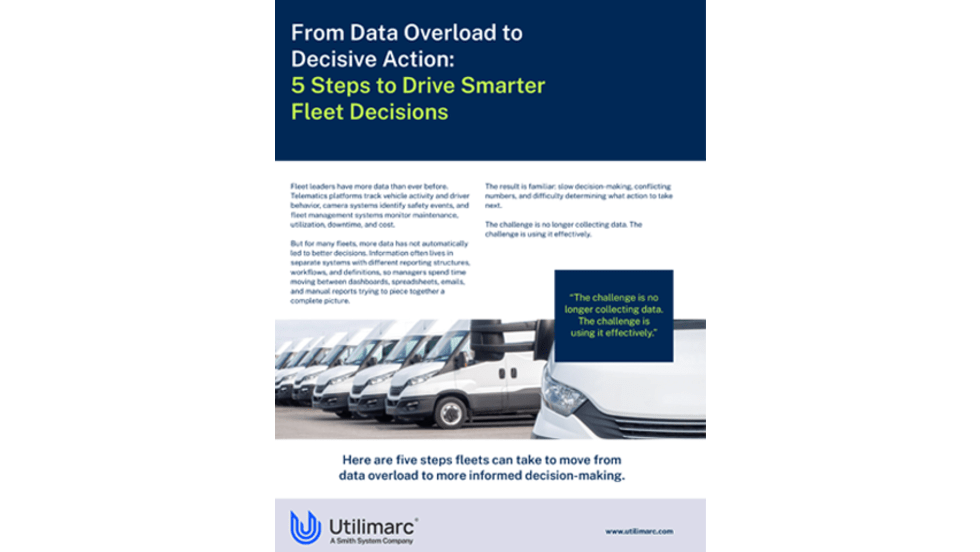
Turn Fleet Data Into Smarter Decisions
Fleet leaders have access to more operational data than ever, but disconnected systems and unclear metrics often slow decision-making instead of improving it. This article outlines five practical steps fleets can take to transform fragmented data into actionable insights that improve planning, safety, utilization, and long-term performance.
Read More →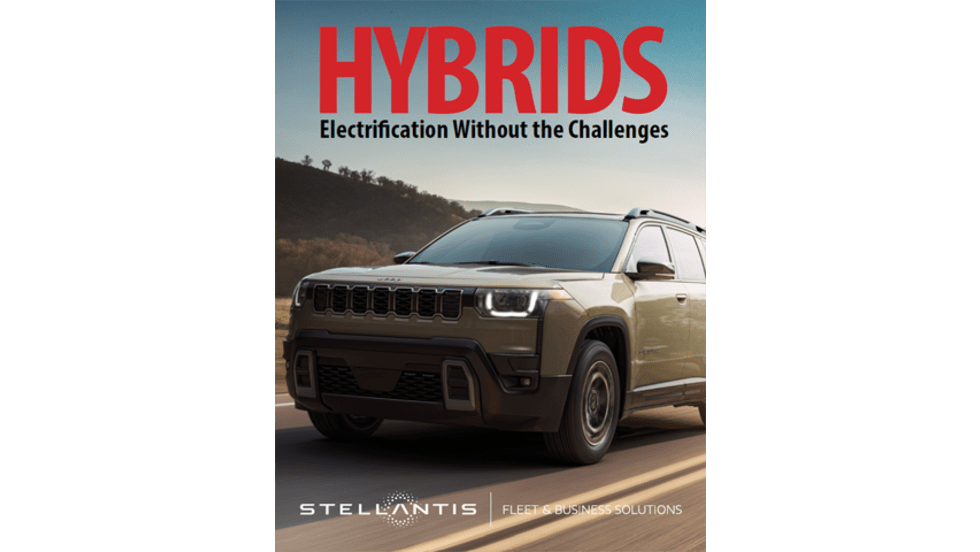
Hybrids: Electrification Without the Challenges
For fleet managers, fuel is one of the biggest line items in the budget — and it's one hybrids can shrink without changing how your people work. Download the eBook to see the numbers, understand the technology, and get a step-by-step guide to making the switch.
Read More →
How NOV Uses Telematics to Improve Fleet Safety Across 160 Locations
James Victory of NOV discusses how the company manages fleet safety, maintenance, and telematics across more than 150 locations supporting oilfield operations throughout the U.S.
Read More →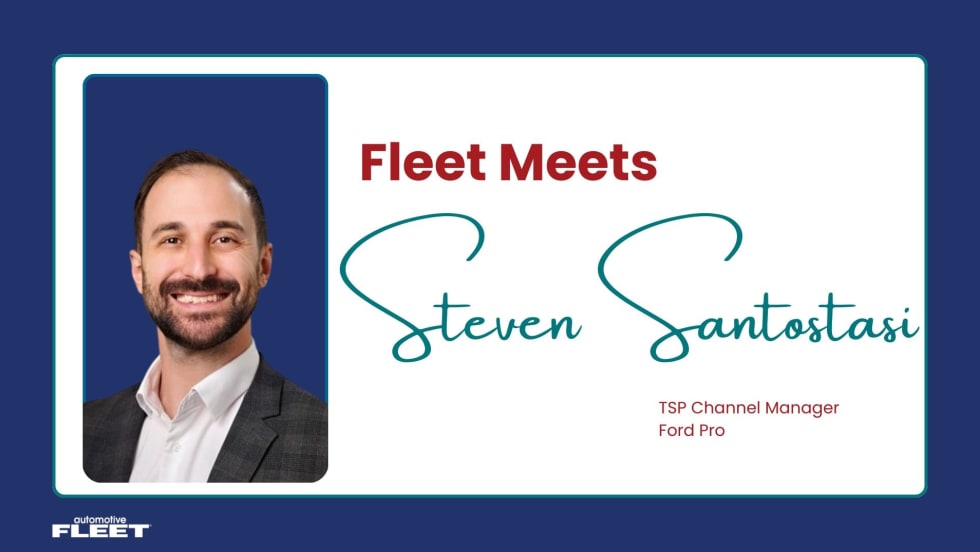
Fleet Meets: Steven Santostasi
This edition of the Fleet Meets series features Steven Santostasi, the current TSP channel manager for Ford Pro.
Read More →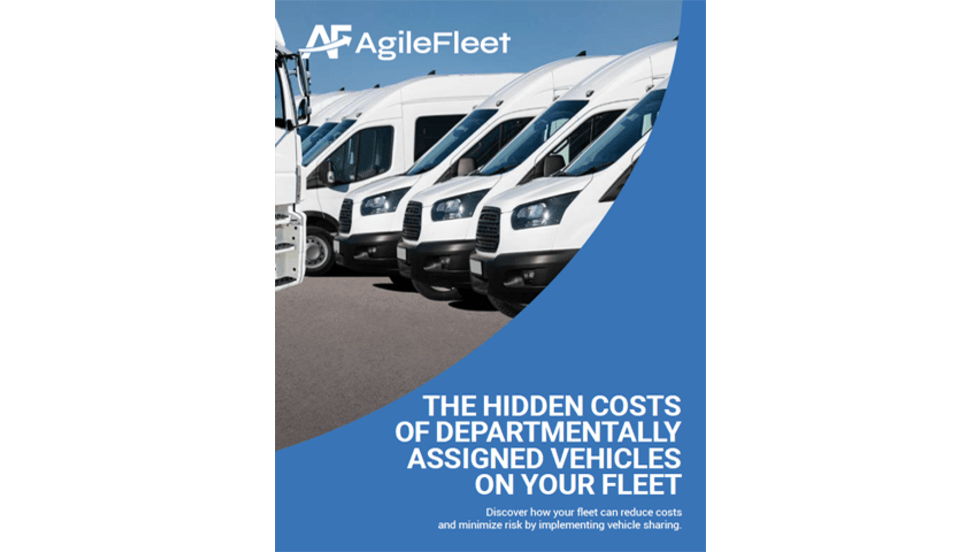
Why Fleet Managers Are Replacing Departmental Vehicles with Shared Motor Pools
Departmentally assigned vehicles often create hidden costs through underutilization, poor visibility, and increased administrative burden. This white paper explores how shared motor pool strategies help fleets reduce costs, improve accountability, and optimize vehicle utilization.
Read More →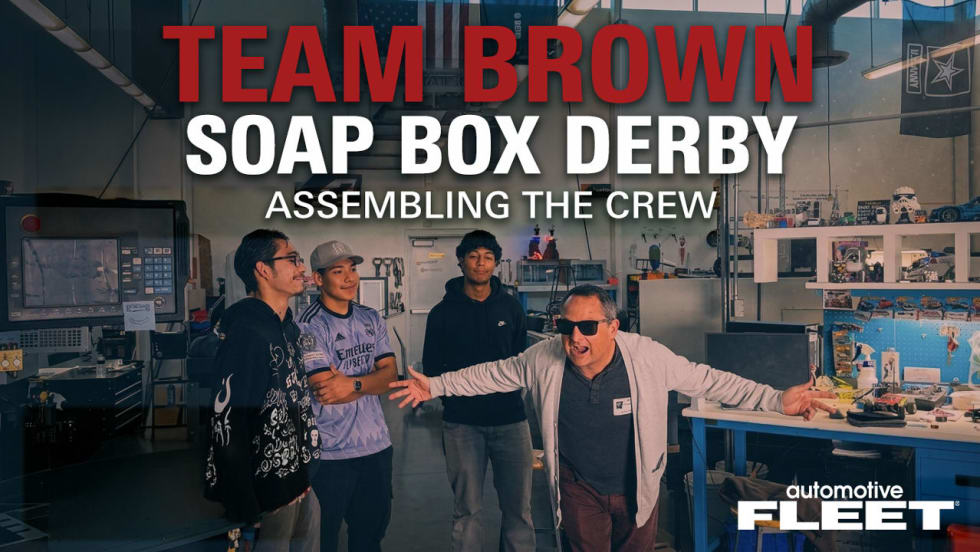
Soap Box Derby Challenge: Assembling the Crew
Meet Gabriel, Matthew, and Angel — the team helping bring this soap box derby build to life.
Read More →