




Toyota Quality Advisory Panel Recommends Decentralization, Better Communication
NEW YORK, NY – The North American Quality Advisory Panel formed by Toyota in the wake of investigations of unintended acceleration events has delivered its report to the automaker and published it publicly.
NEW YORK, NY – The North American Quality Advisory Panel formed by Toyota in the wake of investigations of unintended acceleration events has delivered its report to the automaker and published it publicly.
The panel identified three major areas that Toyota can address to improve its quality control processes. The areas the panel identified were balancing global and local management control, responding more effectively to problems raised by people inside and outside the company, and addressing safety-related management responsibilities at the company.
The panel’s report did state that the automaker has moved to address many of these issues since the group started its work.
“The Panel recognizes that Toyota has not only acknowledged many of the challenges addressed in this Report, it has also taken steps to address some of them—in several cases before the Panel had started its work. During the Panel’s second year, it looks forward to monitoring the implementation of those initiatives and their effectiveness in improving Toyota’s safety and quality processes.”
One of the key things to take away from the report is that Toyota needs to give its North American operations more independence and improve communication between operations in the region and in Japan. The report described North American operations as existing in regional “silos” and recommended greater involvement of North American operations in product design and development of vehicles slated for that market.
The report also recommended that executives in Japan work with NHTSA, rather than see the group’s activities as adversarial, and work to fully understand the perspectives of government officials and regulators in North America in general.
Other recommendations include appointing a Chief Safety Technology Officer to better focus efforts; expanded testing of new models to focus on potential drivability issues and distracted driving; creating a an independent “Customer Representative Team” that would seek out information, positive and negative, about Toyota vehicles, while focusing significant effort on safety – the team would report directly to Toyota’s President; and setting a corporate goal of achieving the highest possible safety standard ratings for all new models in regions that already have developed consumer-oriented safety regulations.
Toyota Motor Corporation President Akio Toyoda responded to the report in a release from the comapany, saying, “We appreciate the Panel’s efforts to help us further strengthen our processes, and we thank this distinguished group for their recommendations. Over the past year, Toyota has learned a great deal from listening to the Panel’s valuable counsel. Their advice has been reflected in the meaningful steps we’ve taken to give our North American operations more autonomy and become an even more safety-focused and responsive company. Now, the Panel has given us further insights into how we can best achieve our vision of exceeding customer expectations with the safest and most responsible vehicles.”
You can read the entire report here.
More Safety

Nexar-Nauto Merger Aims to Give Fleets Better Safety Intelligence Through Larger Driving Dataset
Stefan Heck tells Automotive Fleet that combining more than 10 billion miles of driving history with Nexar's AI models will give fleets deeper insights into driver risk and roadway conditions than either company could provide independently.
Read More →
Don't Wait for a Crisis: 5 Ways to Build Mental Health Into Your Fleet Safety Program
For Suicide Prevention Month, fleet and safety leaders have an opportunity to put mental health where it belongs: at the center of workplace safety.
Read More →
How Camera Data Can Strengthen a Fleet’s Insurance Renewal
Insights from a commercial insurance carrier and a broker show how fleets can turn video telematic data, driver coaching, and improved claims results into a stronger case at insurance renewal.
Read More →
The Safest Fleets Aren’t the Ones with the Most Technology
You’ve made the telematics investment. Here’s how to capture the other half of its value and build the safest fleet on the road.
Read More →
Hidden in Plain Sight: Fleet Compliance Risks
Fleet compliance isn't just about having policies — it's about consistently enforcing them. This practical guide reveals six hidden compliance risks common in public sector and shared fleet operations and outlines proven strategies to improve visibility, accountability, and audit readiness
Read More →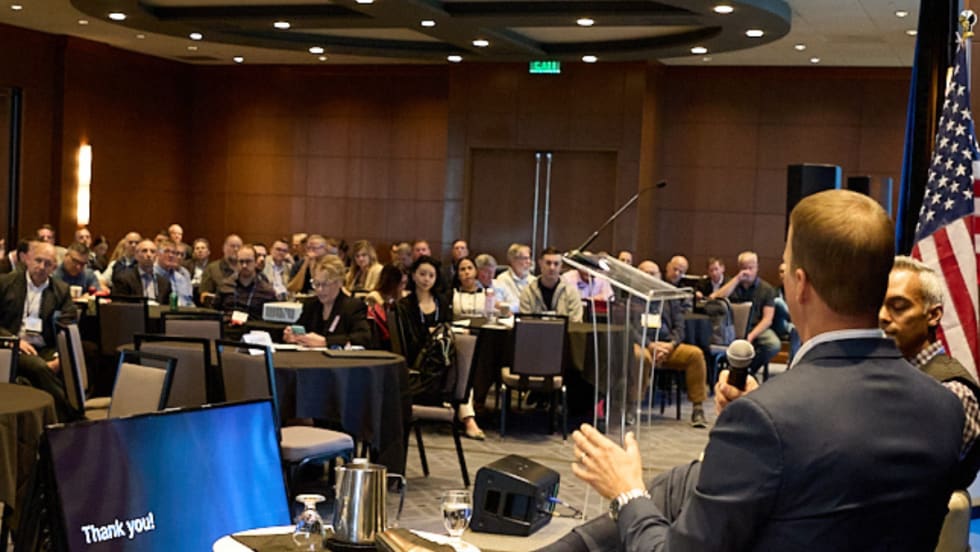
NETS Sets 2026 Fleet Safety Benchmark Conference for Indianapolis
The Sept. 15–17 program will feature fleet benchmarking data, case studies, emerging technologies, and implementation strategies while running alongside the NSC Safety Congress & Expo.
Read More →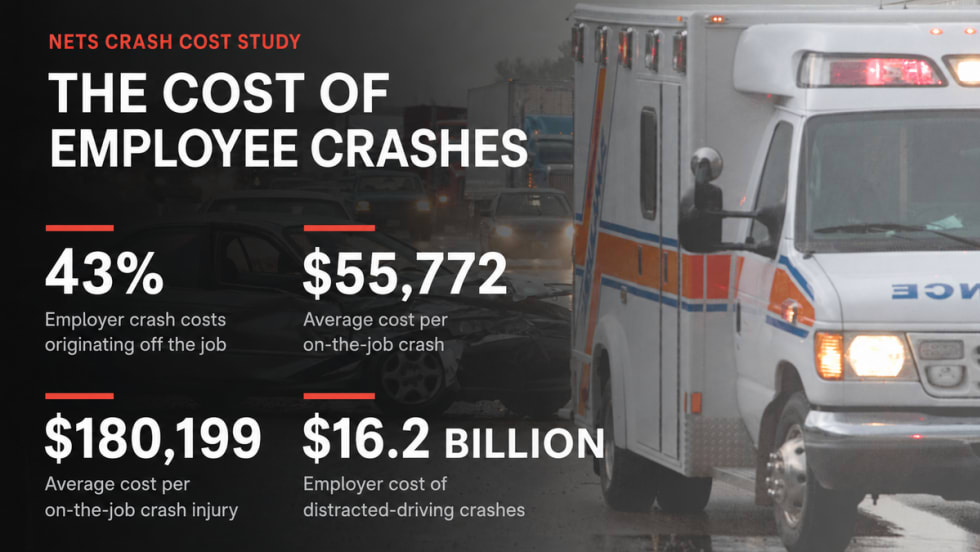
Off-the-Job Crashes Account for 43% of Employers’ $61.7 Billion Crash Burden
NETS quantifies costs dispersed across fleet, risk, HR, and other departments while providing new per-crash benchmarks for employers.
Read More →
Ram Recalls More Than 1.27 Million 1500 Pickups for Seat Belt Anchor Issue
The recall affects certain 2019-2026 Ram 1500 pickups that may have improperly attached second-row seat belt buckle anchors.
Read More →
How Better Visibility Cut Speeding Violations by 48%
Fleet leaders don't need more data, they need clearer visibility into what the data is saying. This case study explores how one utility replaced speeding-event counts with a single metric — miles driven in violation — to strengthen safety and significantly reduce speeding violations.
Read More →
Operation Safe Driver Week: Why the Industry's Oldest Safety Campaign Still Matters to Fleets
A look at how a 2007 enforcement initiative became one of the most consequential weeks on the fleet safety calendar, and what it means for your drivers in 2026.
Read More →