




Toyota NS4 Plug-in Hybrid Concept Showcases Electronic Connectivity
DETROIT -- Toyota Motor Sales U.S.A. on Jan. 10 revealed the NS4 advanced plug-in hybrid concept vehicle at the 2012 North American International Auto Show (NAIAS) in Detroit. The car was developed after Toyota challenged its engineers to design a new mid-sized concept for potential global market introduction by 2015.
DETROIT -- Toyota Motor Sales U.S.A. on Jan. 10 revealed the NS4 advanced plug-in hybrid concept vehicle at the 2012 North American International Auto Show (NAIAS) in Detroit. The car was developed after Toyota challenged its engineers to design a new mid-sized concept for potential global market introduction by 2015.
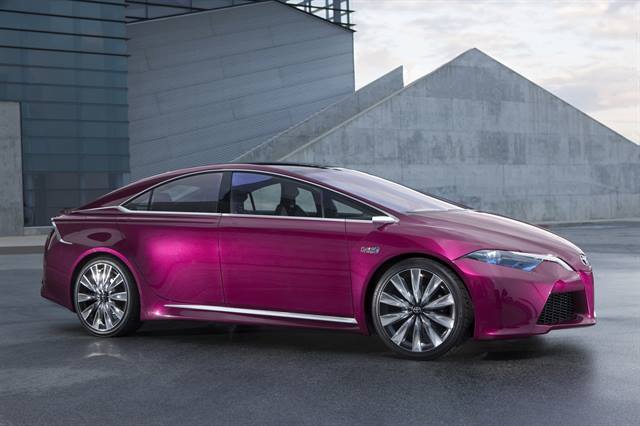
Toyota NS4 advanced plug-in hybrid concept
The NS4 concept is a dedicated plug-in hybrid, separate from the Prius family.
“In this digital age, cars are becoming another spoke in the wheel of our electronic connectivity,” said Jim Lentz, Toyota Motor Sales president and chief operating officer. “NS4 demonstrates Toyota’s take on the human connection to the car with technology that considers both emotional and rational relationships, person-to-car and car-to-society.”
NS4’s advanced powertrain targets a next-generation Hybrid Synergy Drive plug-in system featuring reductions in component size and weight with improved overall fuel economy, better acceleration and longer all-electric range, while maintaining a short charge time, Toyota said.
Traditional vehicle development cycles average four years, but this is rapidly changing in the digital age, Toyota said. Vehicles have become another communication hub in the connected-consumers lifestyle. In fact, connected vehicles are the third-fastest growing technological device, behind smartphones and tablets.
Toyota has formed special alliances with technology leaders such as Microsoft, Intel and Salesforce to explore the creation of seamless vehicle interfaces with emerging technologies.
The NS4 concept’s Human-Machine Interface (HMI) provides a user interface built around a multi-touch screen with the look and feel of a smartphone. The operation conveys information quickly while minimizing distractions. The multimedia and vehicle-controls enhancement also will direct air conditioning, audio, battery-charge and navigation functions. The HMI system is even capable of “learning” driver preferences and habits to anticipate driver responses in specific environments and situations, according to Toyota.
The NS4 also introduces a next-generation Pre-Collision System (PCS) with lane departure, rear-end and pedestrian collision avoidance technologies. These features are designed to predict collisions under certain circumstances and help avoid them. The PCS uses millimeter-wave radar and stereo cameras mounted on the front of the vehicle to detect and react to lane departure, pedestrians and other vehicles. In addition, the system emits near-infrared beams to enhance PCS recognition at night. This driver assistance feature helps to avoid collisions with other vehicles, road-side obstructions, and pedestrians by applying the brakes and manipulating steering.
The current generation PCS, available in certain Lexus and Toyota vehicles, is designed to identify certain objects directly in the road ahead. If PCS determines that a collision is imminent, the brake assist system is placed in standby mode, a warning is displayed and a buzzer sounds. If PCS determines that a collision is unavoidable, the system still will alert the driver via a warning light, warning display and buzzer, apply the brakes and automatically retract the driver and front passenger seatbelts.
Adaptive Driving Beam (ADB) headlights help prevent vision-impairing glare to oncoming drivers and pedestrians. Using a camera mounted behind the front grille and partial shielding inside the headlights, this feature allows drivers to maintain near-high beam illumination to improve nighttime visibility.
The pop-up hood structure automatically raises the rear of the hood to increase the space underneath it, helping to reduce pedestrian head injuries caused by a collision with the front of the vehicle, within certain speed ranges. This innovation resulted from testing and verification using both conventional crash-test dummies and Toyota’s Total Human Model for Safety (THUMS) virtual model.
Using sub-millimeter wave radar, the Blind Spot Monitor (BSM) is designed to detect a vehicle in the adjacent lane and visually alerts the driver using visual indicators placed in the upper dash.
Four new glass technologies are integrated into the windshield and front triangle, door and rear windows to improve driver visibility, gas mileage and electric driving mode mileage efficiency:
• Hydrophobic coating – Fluorine-coated glass causes rain drops to form into semispherical shapes for improved visibility and rain drop elimination (also used on the roof solar panel)
• Anti-fog film – High-performance resin material with anti-fogging characteristics and increased durability
• High ultraviolet (UV) absorbing inner-layer – Removes 99 percent of harmful UVA and UVB rays
• Anti-solar film with radio-wave transparency – Reduces the internal vehicle temperature and improves electronic device functionality.
Inner and outer rear-view mirrors have been replaced with cameras that provide the driver with a panoramic rearward view. The rearward image is displayed on a dedicated dashboard-mounted screen above the navigation screen and provides a wider view than conventional rear-view mirrors. The rearward panoramic camera view, working in combination with the Blind Spot Monitoring (BSM) system, enhances driving visibility.
“The continued success of our conventional hybrid vehicles has laid strong groundwork for market acceptance of future advanced technologies,” said Lentz. “NS4 demonstrates Toyota’s ongoing commitment to enhancing the safety, efficiency, and convenience of future mobility for people everywhere."
More Green Fleet
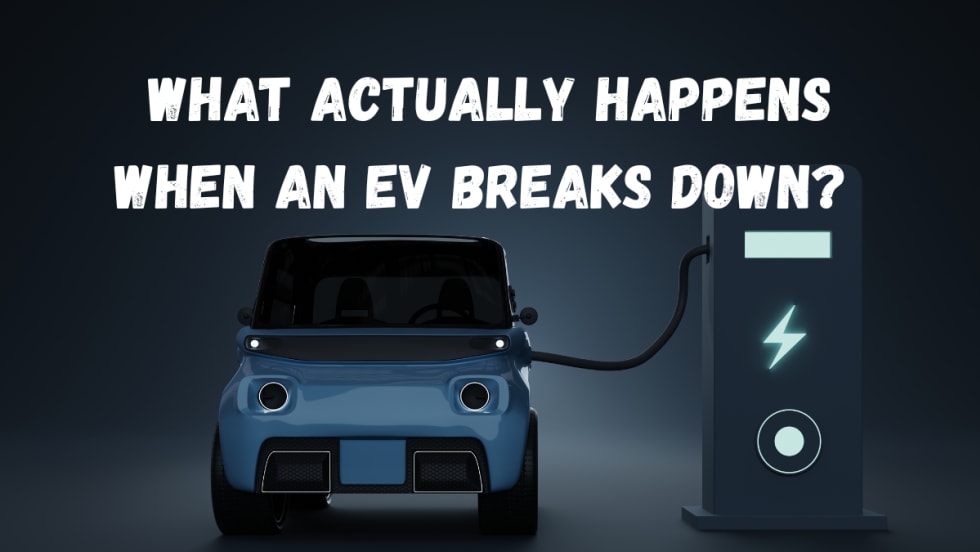
The EV Breakdown Nobody's Talking About: Why Most Electric Vehicle Roadside Calls Aren't Mechanical Failures
Here's why EV breakdowns are widely misunderstood.
Read More →
ChargePoint Now Available in Energy Pass
ChargePoint and additional planned charging network integrations were added to GM's Energy Pass.
Read More →
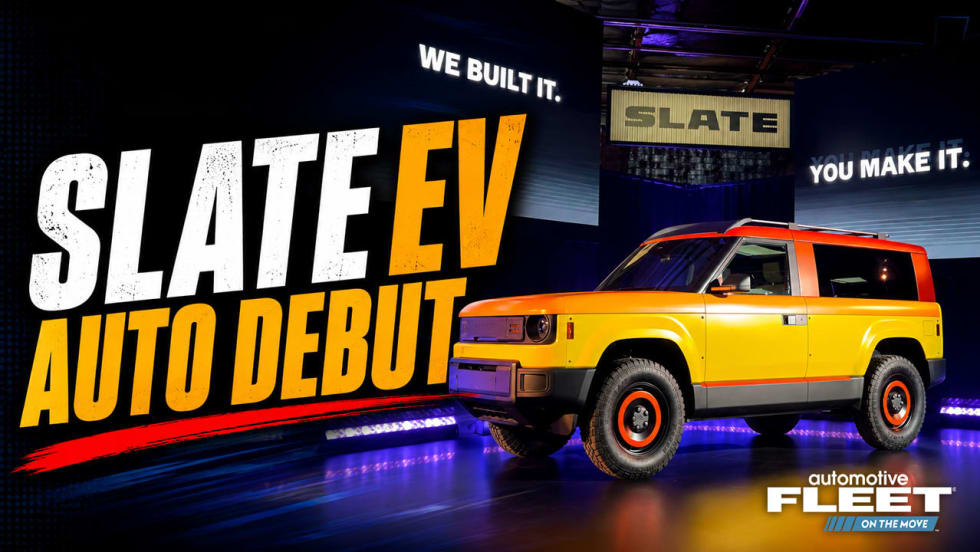
First Look: Slate Auto's Electric Fleet Pickup
Could an affordable, modular EV pickup make electrification more practical for fleets?
Read More →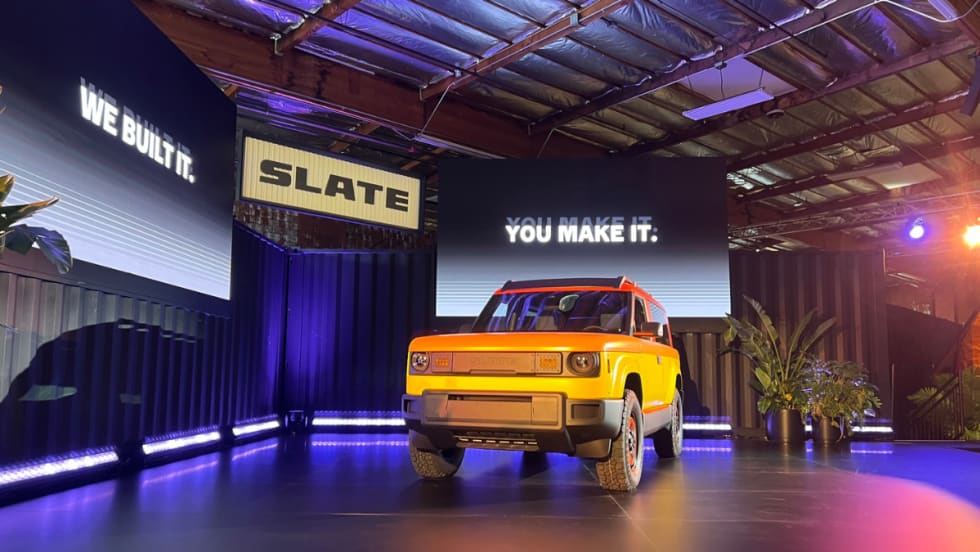
Slate Debuts Colorful, Unique EV Models
A recent media and client event, studded with electric vehicles dressed up on platforms, planted a new position for the manufacturer in the wider EV market. Fleets will find cost-saving advantages.
Read More →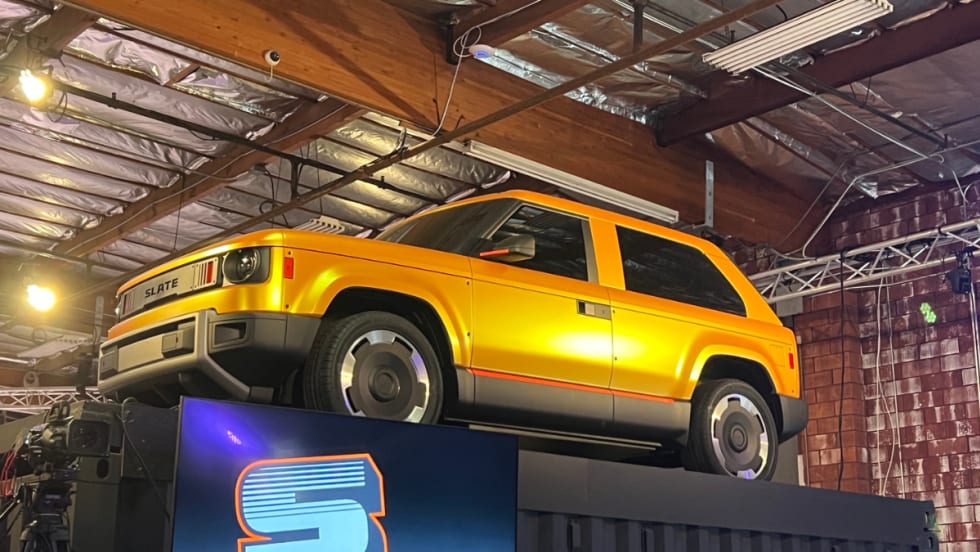
Slate Electric SUV, Pickup Switchable Model Aims For Light-Duty Fleets
Everything about this EV is counterintuitive and understated, making it stand out from the crowd.
Read More →
Inspiration Mobility Acquires Key Electrada Assets
Inspiration Mobility Group has acquired select assets of Electrada, adding the fleet electrification provider's team, technology, and charging infrastructure development capabilities to its energy management business.
Read More →
Turning Connected Vehicle Data Into Decisions That Matter
Fleet leaders have more data than ever, but turning that data into clear, actionable decisions remains a challenge. This white paper shows how leading organizations are using connected vehicle data to improve safety, reduce costs, and optimize fleet performance. Learn how to turn insight into action across your fleet.
Read More →
Are You Tracking Your Fleet's True Total Cost of Ownership?
Bobit Business Media surveyed 190 fleet professionals and found that while most fleets are tracking costs, fragmented systems and data gaps are keeping true TCO visibility out of reach. With rising pressure to control spend in an increasingly volatile environment, the gap between what fleets think they know and what the data actually shows is wider than you might expect. See how your peers are managing costs today and where the industry still has room to improve.
Read More →
Hybrids: Electrification Without the Challenges
For fleet managers, fuel is one of the biggest line items in the budget — and it's one hybrids can shrink without changing how your people work. Download the eBook to see the numbers, understand the technology, and get a step-by-step guide to making the switch.
Read More →