




Related Photos: Toyota's 2016 Prius Hybrid
Toyota Details Next-Gen 2016 Prius Technology
Toyota's 2016 Prius features significant under-the-hood improvements, boosting fuel economy and efficiency.
by Staff
October 14, 2015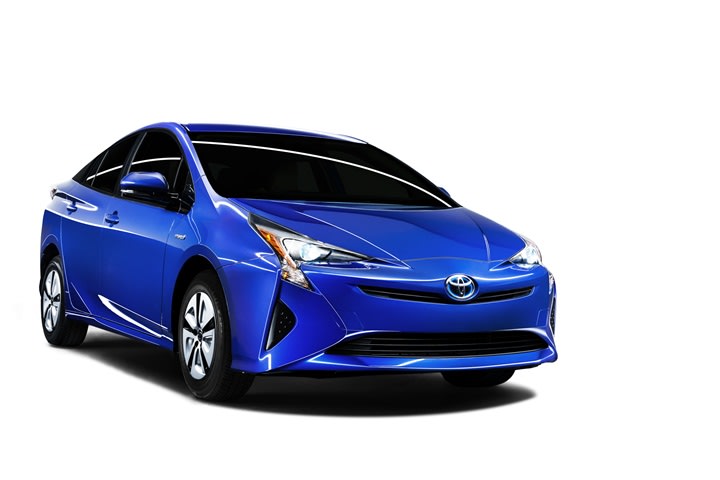
Photo of 2016 Prius courtesy of Toyota.
2 min to read
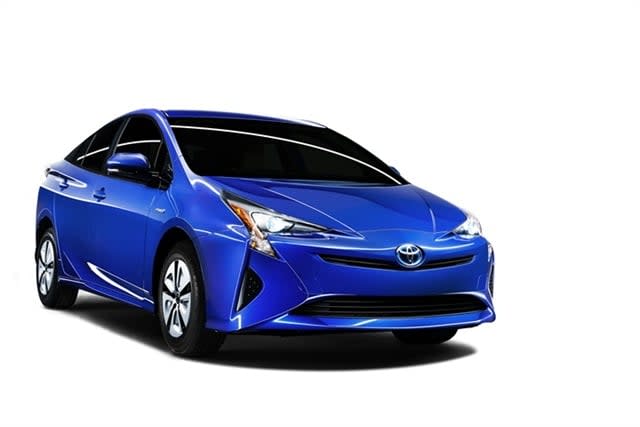
Photo of 2016 Prius courtesy of Toyota.
Toyota's redesigned 2016 Prius features under-the-hood improvements that boost fuel economy and efficiency. Toyota has made extensive changes to the engine, hybrid drive system, and vehicle batteries that should improve EPA-estimated mpg by 10 percent on core models. The Eco model that will achieve an even greater improvement, according to the automaker.
The 2016 Prius is powered in part by a 1.8-liter VVT-i gasoline engine that has been re-engineered. The new engine achieves maximum thermal efficiency of 40 percent. This improvement was enabled in part through the use of a large-volume exhaust gas recirculation (EGR) system and improvements in combustion efficiency, according to a press release by Toyota.
Fuel efficiency is also boosted by improvements to heating performance. An active grille shutter has been added to open and close the grille, as necessary, in response to outside temperatures. The exhaust heat recirculation system has also been improved and made more compact.
Cold weather fuel efficiency has also been improved by introducing an engine coolant selector valve and adding a new system which accelerates engine heating.
The transaxle and motor have been redesigned, delivering a reduction in their combined weight. The motor itself is considerably more compact and gains a better power-to-weight ratio.
There is a 20 percent reduction in mechanical losses through friction compared to the previous model, according to Toyota.
The use of a loss-reduction device in the power control unit cuts losses by about 20 percent. The unit can now be positioned directly above the transaxle.
The new Prius will be available with either a new lithium-ion or a new nickel-metal hydride hybrid battery. While the batteries use established technology, Toyota has increased their energy density, which means more power can be obtained from a smaller unit. This allows the battery to be relocated beneath the rear seat, increasing cargo space.
New updates to the hybrid system's software improve the feel of acceleration, giving a smooth and direct response in a lower rpm range. To improve brake feel and reduce noise, the all-new Prius utilizes a newly-developed active hydraulic booster for its regenerative brakes.
The new Prius will offer the Toyota Safety Sense P package that includes a pre-collision system with pedestrian detection. The system uses a millimeter-wave radar and a single-lens camera with integrated control to detect both cars and pedestrians. The package also comes with full-speed dynamic radar cruise control.
Drivers can also receive parking assistance with the intelligent parking assist, which uses ultrasonic sensors to detect surrounding objects and identify parking spaces.
More Green Fleet

Merchants Fleet Reports 290M EV Miles as Fleets Navigate Changing Electrification Market
From millions in operating savings to hundreds of millions of EV miles, Merchants Fleet’s latest report reveals what’s working and what’s changing in fleet electrification.
Read More →
The EV Breakdown Nobody's Talking About: Why Most Electric Vehicle Roadside Calls Aren't Mechanical Failures
Here's why EV breakdowns are widely misunderstood.
Read More →
ChargePoint Now Available in Energy Pass
ChargePoint and additional planned charging network integrations were added to GM's Energy Pass.
Read More →

First Look: Slate Auto's Electric Fleet Pickup
Could an affordable, modular EV pickup make electrification more practical for fleets?
Read More →
Slate Debuts Colorful, Unique EV Models
A recent media and client event, studded with electric vehicles dressed up on platforms, planted a new position for the manufacturer in the wider EV market. Fleets will find cost-saving advantages.
Read More →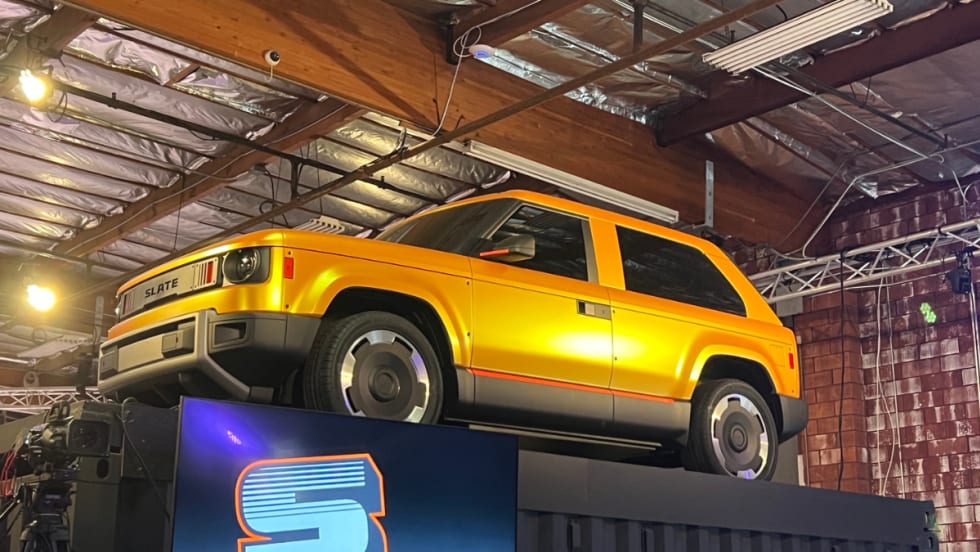
Slate Electric SUV, Pickup Switchable Model Aims For Light-Duty Fleets
Everything about this EV is counterintuitive and understated, making it stand out from the crowd.
Read More →
Inspiration Mobility Acquires Key Electrada Assets
Inspiration Mobility Group has acquired select assets of Electrada, adding the fleet electrification provider's team, technology, and charging infrastructure development capabilities to its energy management business.
Read More →
Sponsored•June 1, 2026
Turning Connected Vehicle Data Into Decisions That Matter
Fleet leaders have more data than ever, but turning that data into clear, actionable decisions remains a challenge. This white paper shows how leading organizations are using connected vehicle data to improve safety, reduce costs, and optimize fleet performance. Learn how to turn insight into action across your fleet.
Read More →
Sponsored•May 29, 2026
Are You Tracking Your Fleet's True Total Cost of Ownership?
Bobit Business Media surveyed 190 fleet professionals and found that while most fleets are tracking costs, fragmented systems and data gaps are keeping true TCO visibility out of reach. With rising pressure to control spend in an increasingly volatile environment, the gap between what fleets think they know and what the data actually shows is wider than you might expect. See how your peers are managing costs today and where the industry still has room to improve.
Read More →