




Toyota Details 2013-MY Avalon Pricing and Features
TORRANCE, CA - The all-new Avalon will come in two grades, which include XLE and Limited, but offer seven different model choices in all.
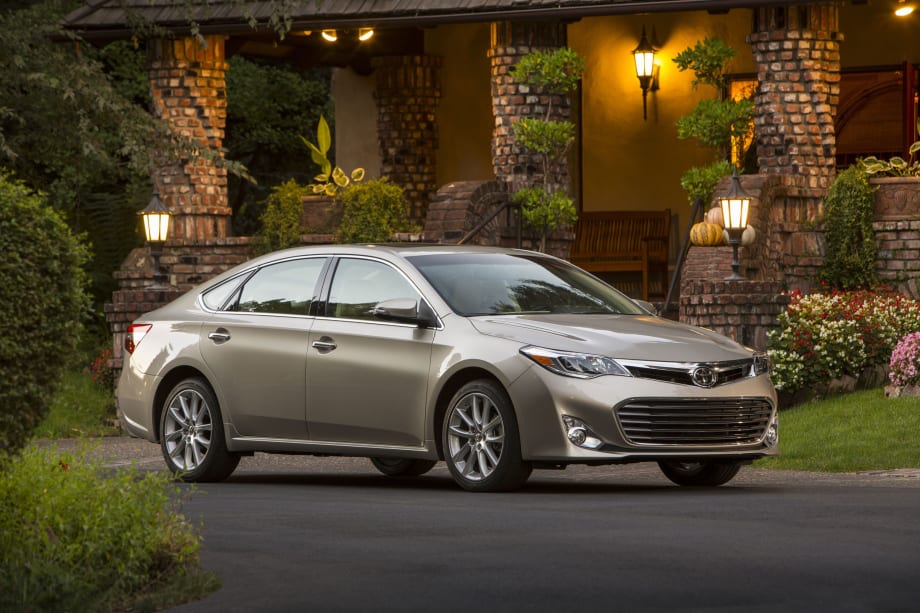
The 2013-MY Avalon V-6 model.
The 2013-MY Avalon V-6 model.
TORRANCE, CA – Toyota announced retail pricing (MSRP) for its all-new 2013-MY Avalon mid-size sedan. The automaker stated that for 2013, this five-passenger sedan is available with a gasoline V-6 engine option and Toyota’s Hybrid Synergy Drive system. Toyota said the vehicle is slated to appear in dealerships in December.
The all-new Avalon will come in two grades, which include XLE and Limited, but offer seven different model choices in all. Toyota said the MSRPs listed for the 2013-MY Avalon don’t include the delivery, processing and handling (DPH) fee, which is $795. The DPH fee for vehicles distributed by Southeast Toyota (SET) and Gulf States Toyota (GST) may vary.
The XLE gasoline version of the Avalon is priced at $30,990 MSRP. It features power adjustable heated front leather seats, alloy wheels, a touch screen display audio system, Toyota’s Smart Key system, heated outer mirrors, and outer mirror turn signals as standard equipment.
The XLE Premium gasoline model is priced at $33,195, which Toyota stated is the same price as the 2012-MY Avalon model but comes with more standard features, including a backup camera and moonroof.
The XLE Touring gasoline model is priced at $35,500. Toyota stated this price is a $935 reduction from the 2012-MY Limited model that came with standard 18-inch alloy wheels, a display audio system with Entune and navigation, and a blind spot monitor system with rear cross traffic alert and paddle shifters.
The Limited gasoline model is priced at $39,650 MSRP. The vehicles features include premium perforated leather with heated and ventilated front seats, a JBL/Premium HDD audio system, Toyota’s Safety Connect system, a rear seat heater, a rear sunshade, a three-zone HVAC system, puddle lamps, HID headlamps, and LED DRLs.
Toyota also offers an optional Technology Package, which includes adaptive cruise control, a pre-collision system, and automatic high beams. Another version of the package, available on Avalon Limited gasoline and Hybrid model includes for $1,750 includes Toyota’s dynamic radar cruise control system, automatic high beams, and a pre-collision system.
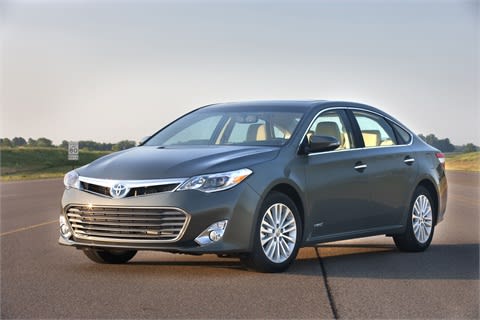
For fuel economy, the Avalon V-6 model is powered by a 268 hp 3.5L V-6 engine that’s matched with a six-speed automatic. This powertrain options gets a combined EPA rating of 25 mpg (21 city mpg, 31 mpg highway). The hybrid powertrain option features a 2.5L Atkinson cycle four-cylinder engine, an electronic continuously variable transmission that contains two electric motors, and a 244.8-volt battery. Overall system output is 200 hp, according to Toyota. The Avalon Hybrid gets EPA-rated fuel economy of 40 mpg combined (40 mpg city, 39 mpg highway).
More Operations

Fleet Has a Talent Pipeline Problem. What Comes Next? | AF News Recap
Where will fleet’s next generation of leaders come from? This week, we’re looking at the industry’s talent pipeline, what certification can add to a fleet career, how to build an award-worthy track record, and the return of Automotive Fleet’s Personal Use Survey.
Read More →
Smith System Launches Driver Risk Management Program
Fleets have more driver data than ever, but identifying risky behavior doesn't necessarily correct it. Smith System's new Driver Risk Management program combines monitoring, training, and follow-up coaching to help fleets connect risk signals with driver intervention.
Read More →
Automotive Fleet Opens 2026 Personal Use Survey for Commercial Fleet Managers
Less than two weeks left! Commercial and corporate fleet managers are invited to share how their organizations handle company vehicle personal-use policies, charges, and driver eligibility.
Read More →
From AI Prompts to AI-Generated Safety Songs | AF News Recap
Can better prompts make AI more useful for fleet managers? This week, we’re breaking down smarter fleet analysis, an AI-assisted experiment that turned safety training into music, and what happened to fuel prices in August.
Read More →
How to Write Better AI Prompts for Fleet Analysis
Include these six elements in your fleet prompts to generate more relevant analysis and accurate answers.
Read More →
Fleet Meets: Eric Kilgore
This edition of the Fleet Meets series features one of the industry's best leaders driving multi-market and national operations.
Read More →
Why Reactive Fleet Management Is Becoming Too Expensive to Sustain
Research highlights a growing need for proactive management strategies to address rising costs in fleet operations effectively.
Read More →
What Your Fleet KPIs Aren’t Telling You
Tracking fleet metrics is only useful when the data leads to better decisions. This guide helps fleet leaders assess cost, utilization, and downtime more accurately, identify performance gaps, and prioritize the actions that can improve operational results.
Read More →
Hidden in Plain Sight: Fleet Compliance Risks
Fleet compliance isn't just about having policies — it's about consistently enforcing them. This practical guide reveals six hidden compliance risks common in public sector and shared fleet operations and outlines proven strategies to improve visibility, accountability, and audit readiness
Read More →
Turning Fleet Payment Data into Executive Insights
Does data alone drive results in operations?
Read More →