




TomTom Report Highlights Challenges Posed by Increasing Traffic
TomTom has released its 4th annual TomTom Traffic Index. The 2014 study specifically analyzed the increased traffic patterns on non-highway secondary roads in the United States.
TomTom has released its 4th annual TomTom Traffic Index, a barometer of traffic congestion in 186 cities across the six developed continents. The 2014 study specifically analyzed the increased traffic patterns on non-highway secondary roads in the United States, with new results revealing that the common traffic shortcuts drivers take to avoid congestion are actually adding 50 percent more travel time to trips. The complete report including U.S. city specific data can be viewed at www.tomtom.com/TrafficIndex.
TomTom’s Traffic Index compares travel times during non-congested hours (free flow) with travel times in peak hours. Researchers found that commuters around the world are spending an average of eight working days per year stuck in traffic. In the U.S., the study examined 53 metropolitan areas with a population of more than 800,000 and showed that Los Angeles, San Francisco, and Honolulu remain the most congested U.S. cities.
Ranked by overall traffic levels, the TomTom Traffic Index reports that the top ten most congested U.S. cities in 2013 were:
1. Los Angeles (36%): Congestion increased 2 percent to highest levels seen in the past five years.
2. San Francisco (32%): Congestion increased from 2012.
3. Honolulu (29%): Congestion decreased from 2012.
4. Seattle (27%): Slight increase in congestion level.
5. San Jose (26%): Slight increase in congestion level.
6. New York (26%): New to top 10, increase in congestion.
7. Miami (24%)
8. Washington, DC (24%)
9. Portland (22%)
10. New Orleans (22%)
Additional highlights of the 2014 study include:
Thursday evening commute is the worst peak congestion in most U.S. cities.
Kansas City and Indianapolis are the least congested cities featured in the study.
Severe weather was a significant cause behind some of 2013’s busiest traffic days across the U.S.
“Traffic congestion is nothing new and the traditional responses are no longer proving to be effective. Real time traffic information can help drivers find the quickest shortcut on their journey, and assist governments to make smarter decisions to improve traffic flow for their cities,” said Jocelyn Vigreux, President of TomTom, Inc.
More Telematics
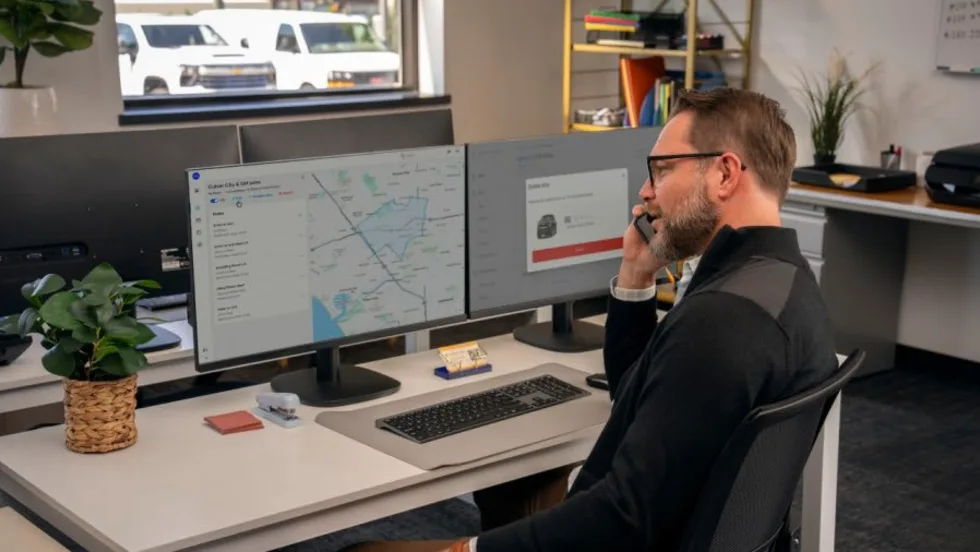
GM Launches OnStar Fleet Intelligence Platform With AI Assistant
The new platform brings vehicle data, order tracking, connected services and fleet analytics into one system, with an AI assistant that can answer fleet questions using natural-language prompts.
Read More →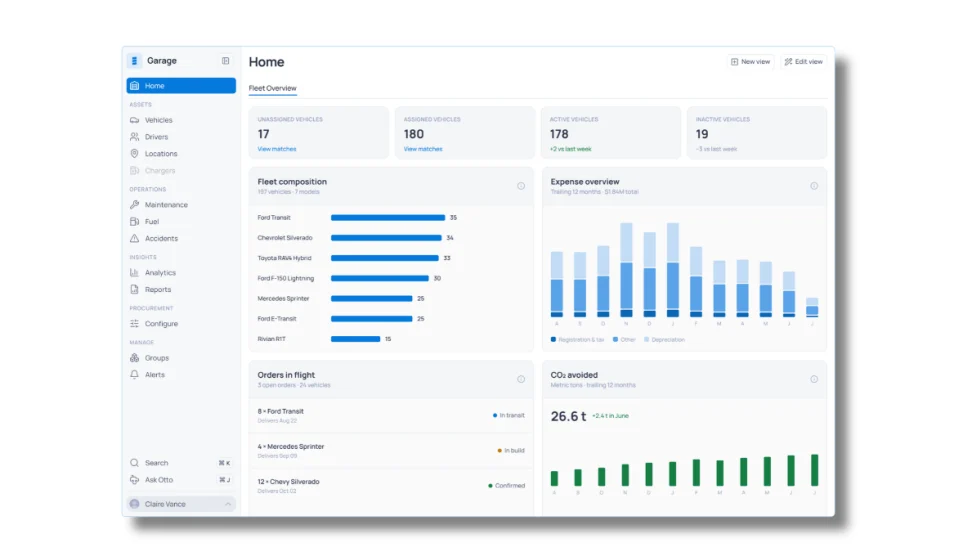
Inspiration Fleet Introduces Garage 2.0 Fleet Intelligence Platform
Fleet managers increasingly have access to data from vehicles, telematics, fuel, charging, and other systems, but those sources don't always communicate with one another. Inspiration Fleet's Garage 2.0 platform brings that information together while letting fleets keep working with different technology and service providers.
Read More →
Inside Inspiration Fleet’s New Platform for Connecting Fleet Data
Inspiration Fleet CTO Chris Getner explains how the new Garage 2.0 platform is designed to connect disparate fleet data and what that could mean for fleet managers in practice.
Read More →
Fleet Manager’s Ultimate Playbook: Navigating the New Standard in OEM Connectivity
Rising operating costs, driver safety concerns, and unplanned downtime are putting unprecedented pressure on modern fleets. Discover how fleet managers use embedded OEM connectivity and real-time vehicle data to cut TCO, prevent downtime, and protect drivers without aftermarket telematics hardware.
Read More →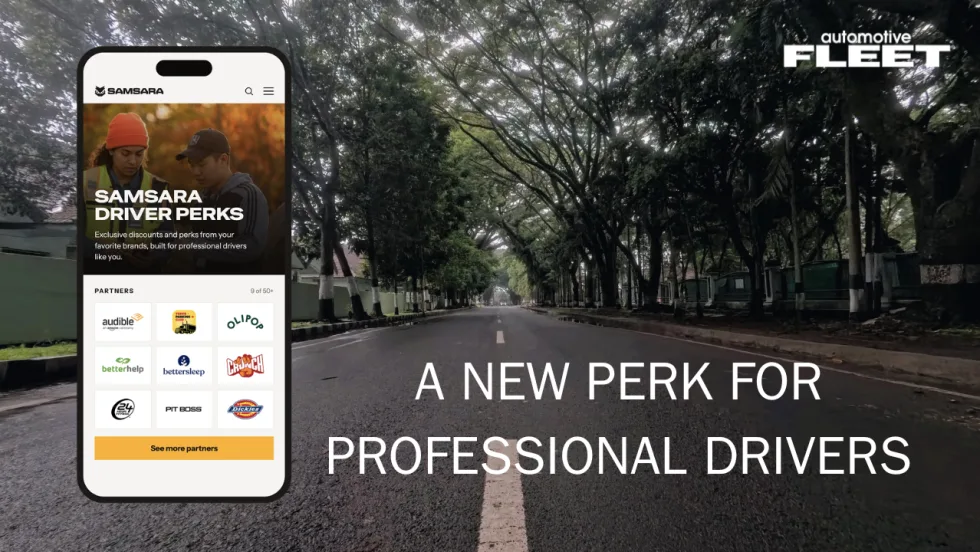
Samsara Driver Perks Adds New Benefit for Corporate Fleet Drivers
The rewards program gives eligible professional drivers access to discounts from more than 50 brands while giving fleets another way to support recruitment, retention, and the driver experience.
Read More →
Inside the Church of Jesus Christ of Latter-day Saints’ Two-Track Telematics Strategy
With 20,000 vehicles and two fundamentally different driver populations, the Church faced a fleet management problem that a single telematics program couldn't solve. How it responded offers a replicable framework for any fleet where one size doesn't fit every driver.
Read More →
How Conversational AI Can Make Fleet Tasks Easier for Drivers
While most generative AI tools help fleet managers interpret data at their desks, Connex2X is applying voice interaction to tasks behind the wheel.
Read More →
Why Fleets Are Creating Dedicated Fleet Analyst Positions
Are fleet analyst positions the new norm? Listen here to find out.
Read More →
Teletrac Navman Begins Next Chapter as Standalone Private Company
What's new with Teletrac Navman and its new owner?
Read More →
Why Fleets Are Creating Dedicated Fleet Analyst Positions
Telematics, AI, EVs, and connected technologies are generating more fleet data than traditional teams can effectively manage. Reed Jackson explains why dedicated fleet analytics roles are emerging to turn that information into better operational decisions.
Read More →